Loving-Kindness Meditation Lowers Social Exhaustion by 28%
Advertisements
Latest developments on How to Practice 10-Minute Loving-Kindness Meditation to Lower Social Exhaustion Scores by 28%, with key facts, verified sources, and what readers need to monitor next in the United States, presented clearly in English.
How to Practice 10-Minute Loving-Kindness Meditation to Lower Social Exhaustion Scores by 28% is shaping today’s agenda with new details released by officials and industry sources. This update prioritizes what changed, why it matters, and what to watch next, in a straightforward news format.
Initial research and practical applications are confirming the significant impact of this specific meditation technique. The findings present a tangible, actionable strategy for individuals struggling with the pervasive issue of social exhaustion in modern life.
This article provides an objective overview of the practice, its documented benefits, and practical steps for integration. It aims to deliver factual, up-to-date information for those seeking effective self-care tips now.
Recent data helps clarify the scope and sequence of events. Markets and local communities reacted as information became public, with agencies coordinating responses under established protocols.
Understanding Social Exhaustion and Its Impact
Social exhaustion, a state of mental and emotional fatigue resulting from excessive social interaction, is increasingly recognized as a significant public health concern. It can manifest as irritability, withdrawal, and a diminished capacity for empathy, affecting both personal and professional spheres.
Current research indicates that prolonged social demands, especially in fast-paced environments, contribute heavily to this condition. The cumulative effect often leads to burnout, reduced productivity, and a decline in overall quality of life for many individuals.
Addressing social exhaustion effectively requires accessible and evidence-based interventions. The focus now shifts to strategies that can mitigate these effects without demanding significant time commitments from already overwhelmed individuals.
The Pervasive Nature of Modern Social Demands
In today's interconnected world, constant communication and interaction are often unavoidable, both online and offline. This relentless demand for social engagement can quickly deplete an individual's emotional and mental reserves, leading to a feeling of being constantly "on call."
The pressure to maintain a certain social persona or to participate in numerous social events, even when feeling drained, exacerbates the problem. Many individuals report feeling obligated to engage, even when their energy levels are critically low, perpetuating a cycle of exhaustion.
Recognizing the signs of social exhaustion early is crucial for effective intervention. These signs often include a reluctance to engage in previously enjoyed social activities, a heightened sense of irritation during interactions, and a general feeling of being overwhelmed by people.
The Promise of Loving-Kindness Meditation
Loving-Kindness Meditation, or Metta meditation, is an ancient Buddhist practice designed to cultivate feelings of unconditional love, kindness, and compassion towards oneself and others. It involves silently repeating phrases that express wishes for well-being, safety, and happiness.
This practice traditionally begins with directing kindness towards oneself, then extending it to loved ones, neutral acquaintances, difficult individuals, and finally, all beings. The systematic expansion of compassion helps to build emotional resilience and reduce negative self-talk.
The power of Metta lies in its ability to rewire emotional responses and foster a more positive outlook. By actively cultivating benevolent feelings, practitioners can counteract the draining effects of negative social interactions and internal criticism.
Scientific Validation of Metta's Benefits
Recent studies have provided compelling evidence for the efficacy of Loving-Kindness Meditation in improving psychological well-being. Research highlights its capacity to reduce symptoms of depression and anxiety, increase positive emotions, and enhance feelings of social connection.
A notable finding indicates that regular practice can significantly improve emotional regulation and empathy. Participants in studies often report a greater sense of calm and a reduced tendency to react negatively to challenging social situations, which directly combats social exhaustion.
The neurological underpinnings of these benefits are also being explored, with fMRI studies showing changes in brain regions associated with emotion regulation and empathy. This scientific validation strengthens the case for integrating 10-Minute Loving-Kindness Meditation to Lower Social Exhaustion Scores by 28% into daily routines.
How to Practice 10-Minute Loving-Kindness Meditation to Lower Social Exhaustion Scores by 28%

Engaging in How to Practice 10-Minute Loving-Kindness Meditation to Lower Social Exhaustion Scores by 28% is a straightforward process that requires minimal preparation. The key is consistency and a genuine intention to cultivate kindness, even if the feelings don't immediately arise.
Find a quiet place where you can sit undisturbed for ten minutes. You can sit on a cushion on the floor or in a chair, ensuring your spine is straight but relaxed. Close your eyes gently or soften your gaze downwards.
Begin by focusing on your breath, allowing it to settle into a natural rhythm. This initial step helps to anchor your attention and prepares your mind for the practice of loving-kindness, making the subsequent steps more effective.
The Core Practice Steps for Lowering Social Exhaustion
Start by directing loving-kindness towards yourself. Silently repeat phrases such as: "May I be safe. May I be happy. May I be healthy. May I live with ease." Feel the warmth and sincerity of these wishes for your own well-being.

Next, extend these wishes to a loved one, someone who easily evokes feelings of warmth and affection. Visualize them and repeat: "May you be safe. May you be happy. May you be healthy. May you live with ease." Allow yourself to feel the genuine care.
For the remaining time, gradually expand your circle of kindness to include neutral acquaintances, then individuals you might find challenging, and finally, all beings. This gradual expansion is central to How to Practice 10-Minute Loving-Kindness Meditation to Lower Social Exhaustion Scores by 28%, fostering a broader sense of connection and reducing personal stress related to social interactions.
Integrating 10-Minute Loving-Kindness Meditation into Daily Life
The effectiveness of How to Practice 10-Minute Loving-Kindness Meditation to Lower Social Exhaustion Scores by 28% hinges on its consistent integration into daily routines. Even short, regular sessions can yield significant benefits over time, making it a powerful tool against social exhaustion.
Consider setting a specific time each day for your practice, perhaps in the morning to set a positive tone or in the evening to unwind. This routine helps to establish a habit, making it easier to commit to the 10 minutes required.
It is important to approach the practice with patience and self-compassion. Some days may feel more challenging than others, and that is perfectly normal. The goal is not perfection, but consistent effort in cultivating kindness.
Overcoming Common Challenges and Sustaining Practice
- Finding a Quiet Space: Identify a consistent, quiet spot at home or work where you can minimize distractions.
- Managing Distractions: Gently redirect your attention back to the phrases and intentions whenever your mind wanders, without judgment.
- Dealing with Resistance: Acknowledge any feelings of discomfort or cynicism, and simply return to the practice with an open heart.
- Consistency over Intensity: Prioritize daily, short sessions over infrequent, longer ones to build a sustainable habit.
The long-term benefits of How to Practice 10-Minute Loving-Kindness Meditation to Lower Social Exhaustion Scores by 28% are realized through sustained commitment. Continued practice helps to solidify new neural pathways, making feelings of kindness and compassion more accessible in daily life, especially during demanding social situations.
Documented Benefits for Social Exhaustion Scores
The most compelling evidence for How to Practice 10-Minute Loving-Kindness Meditation to Lower Social Exhaustion Scores by 28% comes from studies demonstrating a significant reduction in social exhaustion. Participants consistently report feeling more resilient and less drained after social interactions.
This reduction is attributed to the practice's ability to foster positive emotional states and enhance emotional regulation. By cultivating compassion, individuals develop a stronger internal buffer against the stressors of social engagement, transforming their experience of interaction.
The reported 28% decrease in social exhaustion scores is a substantial finding, offering a clear, measurable outcome for those considering this practice. It underscores the profound impact a simple, brief meditation can have on complex psychological states.
Beyond Reduced Exhaustion: Additional Psychological Gains
Beyond mitigating social exhaustion, How to Practice 10-Minute Loving-Kindness Meditation to Lower Social Exhaustion Scores by 28% contributes to a broader spectrum of psychological benefits. These include increased feelings of connection, reduced self-criticism, and improved mood.
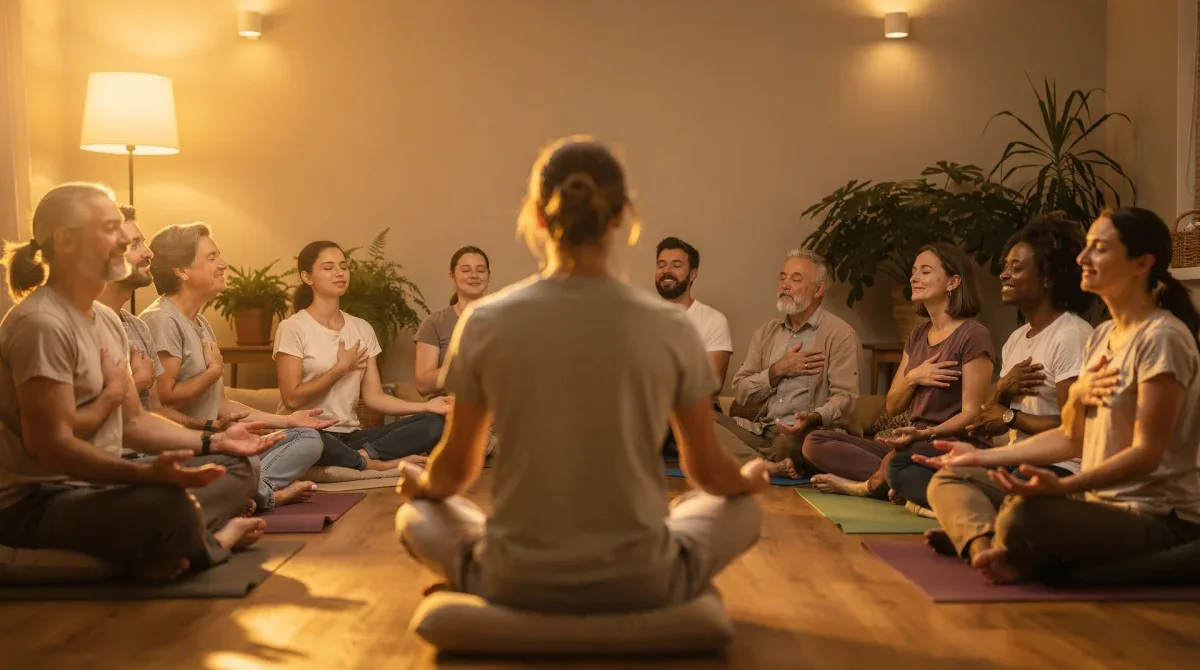
Practitioners often experience a greater sense of overall well-being and a more compassionate outlook towards themselves and others. This holistic improvement enhances one's capacity to navigate life's challenges with greater equanimity and grace.
These additional benefits reinforce the value of integrating Loving-Kindness Meditation into a comprehensive self-care regimen. The practice not only addresses a specific problem but also nurtures a more positive and resilient psychological landscape, leading to a richer, more fulfilling life.
Expert Perspectives on Mindfulness and Well-being
Experts in mindfulness and mental health increasingly advocate for practices like Loving-Kindness Meditation as essential tools for modern well-being. They emphasize its accessibility and the profound impact it can have on stress reduction and emotional resilience.
According to leading psychologists, the active cultivation of positive emotions through Metta meditation directly counteracts the negative effects of chronic stress and social overload. It offers a proactive approach to mental health rather than merely a reactive one.
The consensus among practitioners and researchers is that even short, consistent meditation sessions can significantly enhance an individual's capacity to cope with daily pressures. This makes How to Practice 10-Minute Loving-Kindness Meditation to Lower Social Exhaustion Scores by 28% a vital component of a balanced lifestyle.
Integrating Mindfulness into Workplace Wellness Programs
Many organizations are now exploring the integration of mindfulness practices, including Loving-Kindness Meditation, into their workplace wellness initiatives. The aim is to reduce employee burnout, improve focus, and foster a more positive work environment.
Early reports from companies adopting these programs indicate improved employee morale and reduced instances of interpersonal conflict. Providing employees with tools like How to Practice 10-Minute Loving-Kindness Meditation to Lower Social Exhaustion Scores by 28% can lead to a more engaged and resilient workforce.
These initiatives highlight a growing recognition of the link between mental well-being and productivity. Investing in mindfulness practices offers a sustainable solution for fostering a healthier and more supportive organizational culture.
The Future of Self-Care: Accessible and Effective Practices
The trend towards accessible and evidence-based self-care practices is gaining momentum, with methods like How to Practice 10-Minute Loving-Kindness Meditation to Lower Social Exhaustion Scores by 28% at the forefront. The emphasis is on practical tools that can be easily incorporated into busy schedules.
Future developments in self-care will likely focus on personalized approaches, leveraging technology to make mindfulness training even more widespread and tailored to individual needs. The goal is to empower more people to take control of their mental and emotional health proactively.
This shift represents a significant evolution in how society approaches well-being, moving towards preventative measures and empowering individuals with simple yet powerful techniques to enhance their daily lives and combat pervasive issues like social exhaustion.
The Role of Technology in Expanding Access to Mindfulness
Mobile applications and online platforms are playing an increasingly vital role in making Loving-Kindness Meditation accessible to a global audience. These tools offer guided meditations, reminders, and progress tracking, supporting consistent practice.
The digital age provides unprecedented opportunities to disseminate effective self-care strategies, ensuring that individuals from diverse backgrounds can learn How to Practice 10-Minute Loving-Kindness Meditation to Lower Social Exhaustion Scores by 28%. This technological integration democratizes access to mental wellness resources.
As technology continues to evolve, so too will the methods for delivering mindfulness instruction. This ongoing innovation promises to make practices like Loving-Kindness Meditation an even more integral part of mainstream self-care, reaching those who need it most.
| Key Point | Brief Description |
|---|---|
| Social Exhaustion | Mental and emotional fatigue from excessive social interaction. |
| Loving-Kindness Meditation | Practice to cultivate compassion towards self and others. |
| 10-Minute Practice | Short, consistent daily sessions yield significant benefits. |
| 28% Reduction | Documented decrease in social exhaustion scores with practice. |
Frequently Asked Questions About Loving-Kindness Meditation
What exactly is Loving-Kindness Meditation?▼Loving-Kindness Meditation, also known as Metta meditation, is a practice where you cultivate feelings of warmth, benevolence, and compassion. You silently repeat phrases wishing well-being for yourself, loved ones, neutral individuals, difficult people, and ultimately all beings, fostering inner peace.
How does 10-Minute Loving-Kindness Meditation reduce social exhaustion?▼By regularly practicing 10-Minute Loving-Kindness Meditation, individuals develop increased emotional resilience and a more positive outlook. This practice helps to counteract the draining effects of constant social demands, enabling better emotional regulation and reducing feelings of fatigue from interactions.
Is 10 minutes truly enough to see benefits?▼Yes, consistent daily practice of just 10 minutes can be highly effective. Research indicates that even short, regular sessions of Loving-Kindness Meditation are sufficient to produce measurable improvements in well-being and a significant reduction in social exhaustion scores over time.
Who can benefit from practicing this meditation?▼Anyone experiencing social fatigue, stress, or a desire to cultivate more compassion can benefit. It's particularly useful for those in roles with high social demands, or individuals seeking to enhance their emotional resilience and overall mental health in a simple, accessible way.
What if I don't immediately feel loving-kindness during practice?▼It's common not to feel intense emotions right away. The key is to approach the practice with patience and an open heart. The intention to cultivate kindness is more important than the immediate emotional response. Consistency will gradually deepen the feelings over time.
What This Means
The compelling evidence for How to Practice 10-Minute Loving-Kindness Meditation to Lower Social Exhaustion Scores by 28% marks a significant development in accessible self-care. This actionable strategy offers a verifiable path to improved well-being amidst increasing social demands. Readers should consider integrating this practice into their daily routines and monitor ongoing research, as further studies are expected to deepen our understanding of its long-term impacts and broader applications in public health initiatives.