Finding Inner Peace: 3 Lesser-Known Strategies for Americans to Achieve Calm in 2026
Advertisements
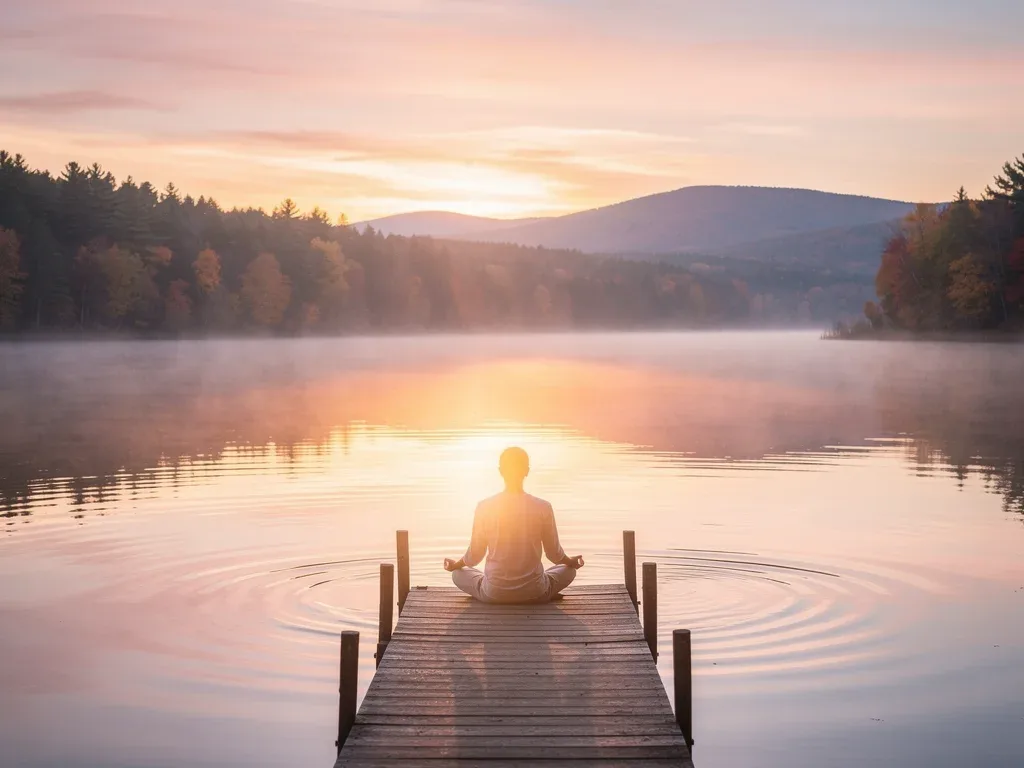
Latest developments on Finding Inner Peace: 3 Lesser-Known Strategies for Americans to Achieve Calm in 2026, with key facts, verified sources, and what readers need to monitor next in the United States, presented clearly.
Finding Inner Peace: 3 Lesser-Known Strategies for Americans to Achieve Calm in 2026 is shaping today’s agenda with new details released by mental health experts and wellness practitioners. This update prioritizes what changed, why it matters, and what to watch next, in a straightforward news format.
Re-evaluating the Pursuit of Inner Peace in 2026
The quest for inner peace often leads individuals down familiar paths, yet 2026 demands innovative approaches to mental well-being. Traditional methods, while valuable, may not fully address the unique stressors faced by Americans today.
As societal pressures evolve, so too must our strategies for cultivating calm and emotional resilience. This year, experts are highlighting less conventional but highly effective techniques.
Understanding these overlooked methods is crucial for anyone committed to achieving genuine and lasting inner peace amidst an increasingly complex world.
The Rise of Communal Grounding Practices
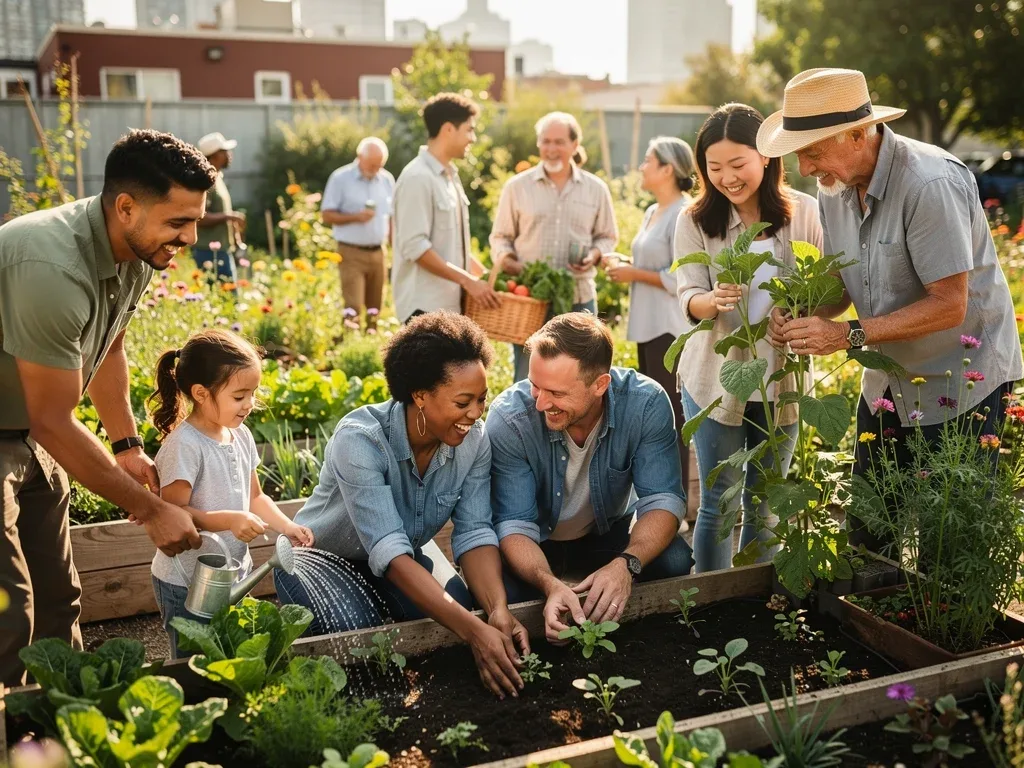
In an era of increasing digital isolation, communal grounding emerges as a powerful antidote, fostering deep connections and shared tranquility. This strategy emphasizes collective experiences in nature or through shared creative endeavors, moving beyond individual meditation.
For Americans seeking inner peace, engaging in community gardens, group nature walks, or collaborative art projects can provide a profound sense of belonging. These activities naturally reduce anxiety and enhance mood through shared purpose and physical presence.
Reports from pilot programs in various U.S. cities indicate significant improvements in participants' reported levels of calm and overall mental health, underscoring the efficacy of this approach.
Connecting with Nature in Groups
Organized group hikes and nature immersion programs are gaining traction, offering structured opportunities for collective grounding. Participants often report a heightened sense of peace and reduced stress.
These initiatives provide a supportive environment for individuals to disconnect from urban pressures and reconnect with the natural world. The shared experience amplifies the therapeutic benefits of nature.
- Participate in local park clean-up days.
- Join guided forest bathing groups.
- Explore community-supported agriculture (CSA) programs.
Collaborative Creative Expression
Art and music workshops focused on group creation, rather than individual performance, are proving instrumental in fostering inner peace. The act of creating together builds camaraderie and reduces self-consciousness.
These sessions provide a safe space for emotional release and expression, without the pressure of individual achievement. The focus shifts to the process and the shared journey.
This collective endeavor often leads to unexpected breakthroughs in personal well-being and a stronger sense of community among participants.
Intentional Digital Disconnection and Sensory Reset
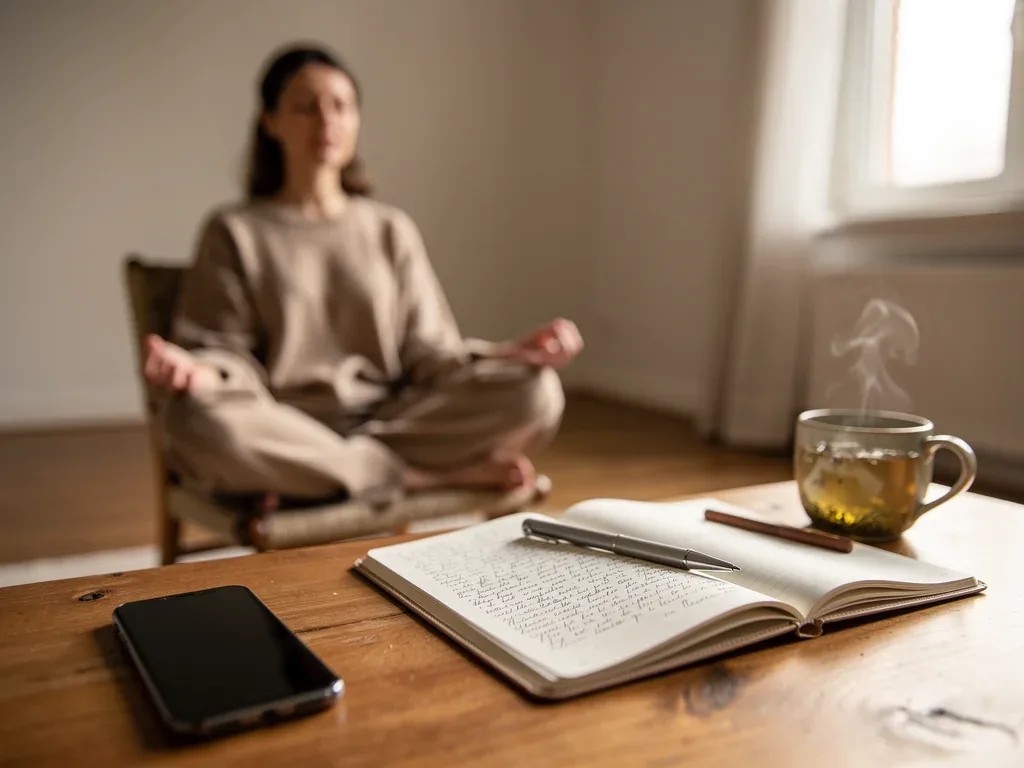
While digital detox is a known concept, intentional digital disconnection in 2026 goes further, integrating specific sensory reset protocols to recalibrate the nervous system. This isn't just about turning off devices but actively engaging in sensory deprivation or focused sensory input.
Americans grappling with constant digital overload can find profound inner peace by scheduling regular, structured periods away from screens and noise. This allows the brain to recover and process information more effectively.
Emerging wellness centers are offering "sensory reset retreats" that combine silent meditation, dark therapy, and sound baths to help individuals achieve a deeper state of calm and mental clarity.
Structured Silence and Dark Therapy
Dedicated periods of silence, often combined with minimal light exposure, help quiet the overstimulated mind. This practice allows for introspection and a reduction in cognitive load.
Dark therapy, in particular, can reset circadian rhythms and promote deeper, more restorative sleep, which is fundamental for overall inner peace. It helps to reduce the constant barrage of external stimuli.
These structured breaks from sensory input can lead to increased focus, creativity, and a profound sense of calm.
- Schedule daily "no-screen" hours.
- Experiment with silent meals or walks.
- Consider a weekend digital blackout.
Mindful Sensory Engagement
Conversely, mindful engagement with specific sensory inputs can also serve as a powerful reset. This includes focused listening to natural sounds or deliberate engagement with tactile experiences.
Activities like pottery, weaving, or even mindful cooking can ground individuals in the present moment. The deliberate focus on sensory details helps to quiet the internal chatter.
These practices draw attention away from abstract worries and toward concrete, tangible experiences, fostering a sense of inner peace.
Embracing 'Micro-Acts of Altruism' for Well-being
The third lesser-known strategy for Finding Inner Peace: 3 Lesser-Known Strategies for Americans to Achieve Calm in 2026 involves consistent, small acts of altruism, shifting focus from self to others. This isn't about grand gestures but rather daily, almost imperceptible contributions to others' well-being.
Research indicates that engaging in regular, low-effort acts of kindness can significantly boost mood and reduce feelings of stress and isolation. These micro-acts create a positive feedback loop, enhancing the giver's sense of purpose.
For Americans, integrating these small, selfless deeds into daily routines offers a sustainable pathway to inner peace, fostering connection and meaning without overwhelming commitments.
The Science Behind Giving and Calm
Neuroscientific studies increasingly link altruistic behavior to increased oxytocin and dopamine levels, hormones associated with happiness and bonding. These chemical changes directly contribute to a sense of calm.
The act of helping others, even in minor ways, can distract from personal worries and provide a sense of perspective. It creates a positive mental shift that promotes inner peace.
This strategy offers a compelling, evidence-based route to enhanced emotional wellness and reduced anxiety.
- Offer a genuine compliment.
- Hold a door for someone.
- Let someone go ahead of you in line.
Integrating Altruism into Daily Life
Making micro-acts of altruism a habitual part of one's day does not require significant time or resources. It's about cultivating a mindset of generosity and attentiveness to others' needs.
Simple actions, such as offering a kind word, assisting a neighbor, or volunteering a few minutes of time, can accumulate to create substantial positive impact. These small efforts contribute to a greater sense of community.
This approach to Finding Inner Peace: 3 Lesser-Known Strategies for Americans to Achieve Calm in 2026 highlights the reciprocal nature of well-being, where giving enriches both the recipient and the giver.
Overcoming Modern Obstacles to Inner Peace
Achieving inner peace in contemporary American society faces unique challenges, from information overload to pervasive social comparison. Understanding these obstacles is the first step toward effective mitigation.
The constant pressure to perform and present a perfect image online often erodes genuine self-acceptance and contentment. This creates a significant barrier to lasting calm.
Addressing these modern hurdles requires intentional strategies that counteract their pervasive influence, allowing individuals to reclaim their mental space and emotional equilibrium.
Navigating Information Overload
The incessant flow of news and digital content can overwhelm the mind, leading to anxiety and a diminished capacity for sustained focus. This constant stimulation hinders inner peace.
Developing effective information filtering techniques and setting boundaries with media consumption are essential. Prioritizing quality over quantity in information intake is key.
This conscious effort to manage digital input is vital for maintaining mental clarity and reducing cognitive fatigue.
- Curate your news sources carefully.
- Designate specific times for checking emails/social media.
- Practice single-tasking rather than multitasking.
Combatting Social Comparison
Social media platforms often exacerbate feelings of inadequacy and foster unhealthy comparisons, directly impacting self-esteem and inner peace. The curated realities presented online rarely reflect true life.
Cultivating self-compassion and focusing on personal growth rather than external validation are crucial. Recognizing the artificiality of many online representations helps.
Shifting focus to one's own journey and celebrating small personal victories can significantly enhance overall well-being.
Integrating Holistic Approaches for Sustainable Calm
For sustainable inner peace, these lesser-known strategies should be integrated into a broader holistic framework that acknowledges mind, body, and spirit. A piecemeal approach often yields temporary results.
Combining communal grounding with intentional digital disconnection and micro-acts of altruism creates a synergistic effect, amplifying their individual benefits. This comprehensive strategy is more robust.
This integrated approach provides a more resilient foundation for Americans seeking lasting inner peace in 2026 and beyond.
Mind-Body Connection Practices
Incorporating practices that bridge the mind and body, such as yoga, tai chi, or conscious breathing exercises, complements the other strategies. These practices enhance self-awareness.
Physical movement combined with mental focus helps release tension and improve emotional regulation. It grounds individuals in their physical experience.
These activities are fundamental for maintaining overall balance and fostering a deep sense of inner peace.
- Practice daily mindful breathing.
- Engage in gentle yoga or stretching.
- Incorporate short walking meditations.
Cultivating a Growth Mindset
Adopting a growth mindset, where challenges are seen as opportunities for learning and development, is pivotal for sustained inner peace. This perspective fosters resilience.
It encourages individuals to embrace imperfections and view setbacks as temporary, rather than definitive failures. This reframes negative experiences into positive learning opportunities.
This mental framework supports emotional fortitude and a more optimistic outlook on life's inevitable difficulties.
| Key Strategy | Brief Description |
|---|---|
| Communal Grounding | Engaging in shared nature experiences or creative group activities to foster connection and calm. |
| Intentional Digital Disconnection | Structured breaks from screens combined with sensory reset protocols for mental clarity. |
| Micro-Acts of Altruism | Consistent, small acts of kindness to boost mood, reduce stress, and enhance purpose. |
| Holistic Integration | Combining these strategies with mind-body practices for comprehensive, lasting inner peace. |
Frequently Asked Questions About Inner Peace
What makes these strategies "lesser-known" for inner peace?▼These strategies move beyond commonly discussed mindfulness or meditation techniques. They emphasize communal engagement, structured sensory resets, and consistent small acts of kindness, which are often overlooked in mainstream discussions about achieving inner peace. They offer fresh perspectives for deeper calm.
How can communal grounding specifically benefit Americans?▼Communal grounding directly counters the prevalent issues of social isolation and digital overload in American society. By fostering real-world connections and shared experiences in nature or creative endeavors, it builds a sense of belonging and reduces individual stress, contributing significantly to inner peace.
Is intentional digital disconnection the same as a digital detox?▼While related, intentional digital disconnection goes beyond a simple detox. It involves structured periods of sensory reset, including silence or focused sensory input, to recalibrate the nervous system. This deeper approach aims for profound mental clarity and sustained inner peace, not just a temporary break.
What are practical examples of "micro-acts of altruism"?▼Micro-acts of altruism are small, consistent gestures of kindness. Examples include holding a door for someone, offering a genuine compliment, letting someone go ahead in line, or helping a neighbor with a small task. These minor actions collectively boost well-being and foster a sense of inner peace.
How quickly can one expect to see results from these strategies?▼The timeline for results varies by individual, but consistent application of these strategies can lead to noticeable improvements in mood and reduced stress within weeks. Deeper, more sustained inner peace is typically cultivated over several months through dedicated practice and integration into daily life.
Looking Ahead: Sustaining Inner Peace in a Changing World
The insights into Finding Inner Peace: 3 Lesser-Known Strategies for Americans to Achieve Calm in 2026 underscore a critical shift in emotional wellness paradigms. As society continues to evolve, the emphasis on proactive, community-oriented, and deeply personal practices will only grow. Monitoring the adoption rates of communal grounding and intentional digital disconnection will provide further data on their long-term efficacy. The integration of micro-acts of altruism into daily routines offers a sustainable path forward, highlighting that true inner peace is often found in connection and conscious living rather than isolation. These strategies represent a promising frontier for Americans seeking lasting calm.