Gut Health & Mood: 2026 Discoveries for Americans
Advertisements
Recent 2026 discoveries confirm the profound impact of gut health on mood, illustrating how the complex ecosystem within our digestive system directly influences mental well-being and providing Americans with actionable strategies for improved emotional regulation and cognitive function.
Advertisements
The intricate relationship between our digestive system and our emotional state is gaining unprecedented attention, with the link between gut health and mood becoming a focal point of scientific inquiry. For Americans seeking advanced strategies for well-being, the year 2026 brings exciting new discoveries that promise to revolutionize our understanding of how what we eat profoundly influences how we feel. This article delves into the latest research, offering a fresh perspective on this vital connection.
The gut-brain axis: a deeper understanding in 2026
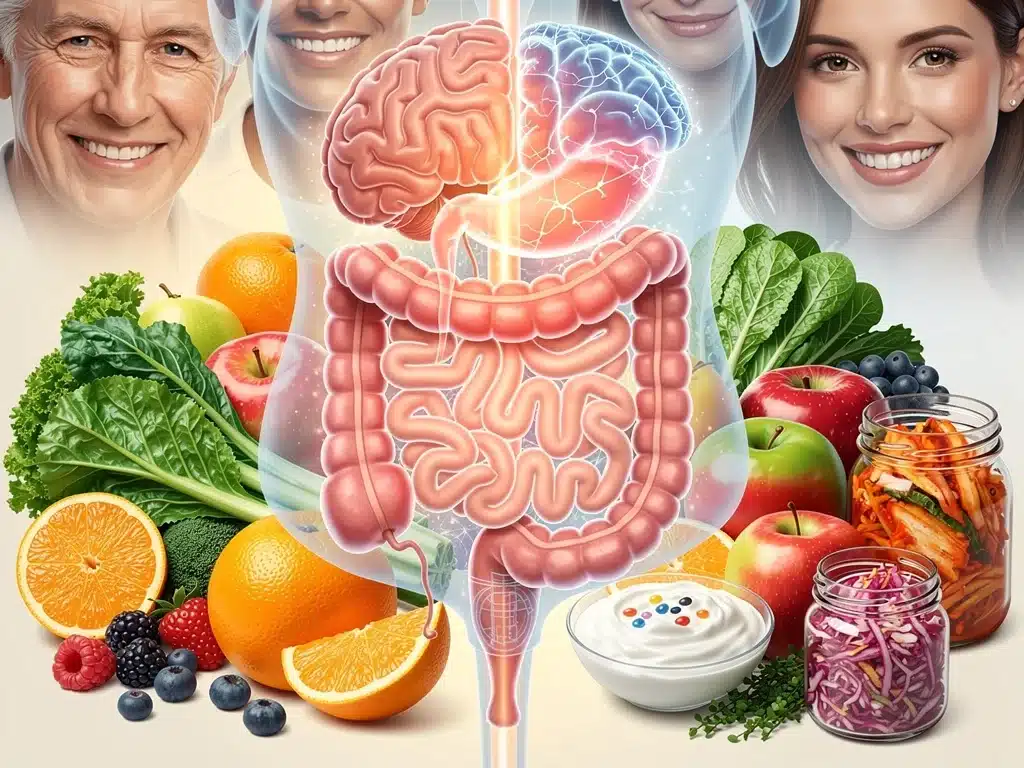
Our gut and brain are in constant communication, forming what scientists call the gut-brain axis. This complex bidirectional pathway involves neural, hormonal, and immunological signaling, acting as a superhighway of information exchange. In 2026, research has unveiled even more nuanced details about how this axis operates, particularly its significant role in mood regulation.
Understanding the gut-brain axis requires acknowledging the central role of the gut microbiome. This vast community of microorganisms residing in our intestines is not merely involved in digestion; it’s a key player in our overall health, including our mental state. New studies reveal how specific microbial communities can influence neurotransmitter production and inflammatory responses, directly impacting mood.
Neurotransmitters and the microbiome
Many essential neurotransmitters, such as serotonin, often dubbed the ‘happiness hormone,’ are primarily produced in the gut. The microbiome plays a crucial role in facilitating this production, influencing their availability to the brain. This discovery underscores why a healthy gut is paramount for stable mood and emotional resilience.
- Serotonin production: Up to 90% of the body’s serotonin is made in the gut, heavily influenced by microbial activity.
- GABA synthesis: Certain gut bacteria contribute to the production of GABA, an inhibitory neurotransmitter that helps reduce anxiety.
- Dopamine modulation: The gut microbiome can indirectly affect dopamine pathways, impacting motivation and reward systems.
The implications of this research are profound. It suggests that nurturing our gut microbiome could be a powerful, non-pharmacological approach to managing various mood disorders. By focusing on dietary interventions that support beneficial bacteria, we can potentially enhance our natural production of mood-regulating chemicals.
Inflammation and mental health: the gut’s role
Chronic inflammation is increasingly recognized as a contributing factor to various mental health conditions, including depression and anxiety. Emerging research in 2026 has solidified the understanding that the gut plays a pivotal role in regulating systemic inflammation. An imbalanced gut microbiome, often termed dysbiosis, can lead to increased gut permeability, allowing toxins to enter the bloodstream and trigger inflammatory responses throughout the body, including the brain.
This inflammatory cascade can disrupt brain function, impairing neurotransmitter balance and neuronal connectivity. Scientists are now exploring specific microbial signatures associated with higher inflammatory markers in individuals with mood disorders. Identifying these signatures opens doors for targeted interventions.
Dietary patterns and inflammation
The modern American diet, often high in processed foods, sugar, and unhealthy fats, is a significant driver of gut dysbiosis and chronic inflammation. Conversely, diets rich in fiber, fermented foods, and diverse plant-based ingredients promote a healthy, anti-inflammatory gut environment. These dietary choices directly impact the gut lining’s integrity and the composition of beneficial bacteria, which in turn helps regulate systemic inflammation.
- Processed foods: Contribute to gut permeability and inflammation, negatively impacting mood.
- Fiber-rich diets: Support beneficial bacteria that produce short-chain fatty acids, known for their anti-inflammatory effects.
- Fermented foods: Introduce diverse beneficial microbes, enhancing gut barrier function and reducing inflammation.
By understanding the direct link between dietary patterns, gut inflammation, and mental health, Americans can make more informed choices to protect their emotional well-being. This knowledge empowers individuals to take proactive steps in managing their diet as a therapeutic tool.
Probiotics and prebiotics: new frontiers in 2026
The therapeutic potential of probiotics and prebiotics in modulating mood is a rapidly evolving field. In 2026, research has moved beyond general recommendations, focusing on strain-specific effects and personalized approaches. Not all probiotics are created equal, and specific strains have demonstrated particular efficacy in addressing certain mood-related symptoms.
Prebiotics, non-digestible food components that selectively stimulate the growth and activity of beneficial gut microorganisms, are also gaining prominence. They act as fuel for our gut residents, ensuring a thriving and diverse microbiome. The combination of targeted probiotics and effective prebiotics is becoming a cornerstone of gut-focused mental health interventions.
Personalized microbial interventions
The future of gut-brain interventions lies in personalized medicine. Advanced diagnostic tools, such as detailed microbiome sequencing, allow for a more precise understanding of an individual’s gut ecosystem. This information can then guide the selection of specific probiotic strains or prebiotic fibers most likely to benefit their unique microbial profile and address their specific mood challenges.
- Strain-specific probiotics: Certain Lactobacillus and Bifidobacterium strains show promise in reducing anxiety and depressive symptoms.
- Prebiotic fibers: Fructans and galactooligosaccharides (GOS) are being studied for their ability to enhance beneficial bacteria linked to mood improvement.
- Synbiotic approaches: Combining specific probiotics and prebiotics for synergistic effects on gut health and mental well-being.
These advancements offer hope for more effective and tailored interventions, moving away from a one-size-fits-all approach. Americans can look forward to more precise recommendations from healthcare providers in the coming years, based on their individual gut microbiome analysis.
The impact of stress on gut and mood
Stress is an undeniable part of modern life, and its profound impact on both gut health and mood is well-documented. However, 2026 research has provided even more clarity on the intricate mechanisms through which stress disrupts the gut-brain axis. Chronic stress can alter gut motility, increase gut permeability, and significantly shift the composition of the microbiome, often favoring less beneficial species.
This stress-induced dysbiosis can exacerbate anxiety and depressive symptoms, creating a vicious cycle where poor gut health makes individuals more susceptible to stress, and stress, in turn, further impairs gut function. Breaking this cycle is crucial for holistic mental well-being.
Mind-body practices for gut resilience
Integrating mind-body practices into daily routines can be a powerful strategy to mitigate the negative effects of stress on the gut-brain axis. Techniques such as mindfulness meditation, yoga, and deep breathing exercises have been shown to reduce stress hormones, calm the nervous system, and positively influence gut motility and microbial balance. These practices offer a non-pharmacological pathway to enhance both mental resilience and gut integrity.
- Mindfulness meditation: Reduces cortisol levels, benefiting gut barrier function and microbial diversity.
- Yoga and exercise: Improve gut motility and reduce systemic inflammation, positively impacting mood.
- Adequate sleep: Crucial for hormone regulation and gut repair, directly influencing stress response and mental clarity.
Adopting these practices can empower individuals to actively manage their stress response, thereby protecting their gut health and fostering a more stable emotional landscape. The synergy between mental and physical well-being is increasingly evident in the context of the gut-brain connection.
Dietary strategies for a happier gut and mind
Given the strong evidence linking gut health to mood, dietary choices have emerged as a primary intervention for improving mental well-being. The year 2026 emphasizes a holistic, food-first approach, advocating for diverse, nutrient-dense diets that actively support a flourishing gut microbiome. Beyond avoiding processed foods, the focus is on incorporating specific ingredients known for their beneficial effects.
Adopting a gut-friendly diet doesn’t have to be restrictive; rather, it encourages exploration of whole, unprocessed foods that nourish both the body and the mind. Small, consistent changes can lead to significant improvements in both digestive comfort and emotional state.
Key dietary components for mood enhancement
A balanced diet rich in fiber, fermented foods, and omega-3 fatty acids is foundational. These components provide the necessary nutrients and microbial diversity to support a healthy gut-brain axis, contributing to improved mood and cognitive function. Focusing on these elements can transform not just your gut, but your entire outlook.
- High-fiber foods: Whole grains, fruits, vegetables, and legumes feed beneficial gut bacteria.
- Fermented foods: Yogurt, kefir, sauerkraut, kimchi, and kombucha introduce beneficial microbes.
- Omega-3 fatty acids: Found in fatty fish, flaxseeds, and walnuts, these reduce inflammation and support brain health.
- Polyphenol-rich foods: Berries, dark chocolate, and green tea act as antioxidants and prebiotics.
By prioritizing these dietary components, Americans can actively cultivate a gut environment that supports optimal mood and resilience. The power to influence our emotional health lies significantly in our everyday food choices, making dietary adjustments a practical and effective strategy.
Future outlook: personalized gut-brain interventions
Looking ahead to 2026 and beyond, the field of gut-brain research is poised for even greater breakthroughs. The trend is clearly moving towards highly personalized interventions, leveraging advanced diagnostics and precision nutrition. Imagine a future where your diet and supplement regimen are entirely tailored to your unique microbiome signature, optimizing your mental health with unprecedented accuracy.
This personalized approach holds immense promise for individuals struggling with mood disorders, offering alternatives or complements to traditional treatments. The integration of artificial intelligence and machine learning will further accelerate these discoveries, allowing scientists to process vast amounts of data and identify complex patterns in the gut-brain axis.
Technological advancements and accessibility
The accessibility of microbiome testing is increasing, and with it, the potential for individuals to gain insights into their own gut health. While still in its early stages, the integration of these insights into mainstream healthcare is becoming a realistic prospect. Wearable technologies and smart apps could soon offer real-time feedback on dietary impact and stress levels, further empowering individuals to manage their gut-brain connection.
- Advanced diagnostics: More affordable and comprehensive microbiome sequencing for personalized assessment.
- AI-driven recommendations: Tailored dietary and lifestyle advice based on individual gut profiles.
- Novel psychobiotics: Development of new probiotic strains specifically engineered to target mood pathways.
The future of mental wellness is intrinsically linked to our understanding and manipulation of the gut microbiome. These advancements promise a new era of proactive and personalized strategies for enhancing mood and overall brain health for Americans.
| Key Point | Brief Description |
|---|---|
| Gut-Brain Axis | The bidirectional communication pathway between the gut and brain, crucial for mood regulation. |
| Microbiome’s Role | Gut bacteria influence neurotransmitter production and inflammatory responses, directly affecting mood. |
| Inflammation & Mood | Gut dysbiosis and increased permeability can lead to systemic inflammation, impacting mental health. |
| Personalized Interventions | Future approaches will use microbiome testing to tailor diets and supplements for individual mood optimization. |
Frequently asked questions about gut health and mood
The gut microbiome produces neurotransmitters like serotonin and GABA, which are vital for mood regulation. An imbalanced microbiome can disrupt this production, contributing to feelings of anxiety or depression. Maintaining a diverse and healthy gut flora supports these crucial chemical messengers.
Absolutely. A diet rich in processed foods can promote gut inflammation and dysbiosis, negatively impacting mood. Conversely, whole foods, fiber, and fermented products support a healthy gut, which in turn fosters better mental well-being by reducing inflammation and supporting neurotransmitter balance.
Psychobiotics are specific probiotic strains that, when ingested, may produce mental health benefits. They work by modulating the gut microbiome, reducing inflammation, and influencing neurotransmitter pathways, thereby potentially alleviating symptoms of anxiety and depression. Research is ongoing to identify the most effective strains.
Yes, chronic stress significantly impacts gut health by altering gut motility, increasing permeability, and shifting microbial composition. This can create a vicious cycle where stress worsens gut health, which then exacerbates mood issues. Managing stress is crucial for maintaining a healthy gut-brain axis.
Focus on a diverse diet rich in fiber, fermented foods, and omega-3s. Incorporate stress-reduction techniques like meditation or yoga, ensure adequate sleep, and consider targeted probiotic or prebiotic supplements after consulting a healthcare professional. These habits collectively support a healthier gut and mind.
Conclusion
The revolutionary discoveries of 2026 have unequivocally cemented the link between gut health and mood, offering Americans a powerful new paradigm for mental well-being. It is now clearer than ever that our digestive system is not merely a processing plant for food, but a critical command center influencing our emotional landscape. By embracing a holistic approach that prioritizes gut health through informed dietary choices, stress management, and, increasingly, personalized microbial interventions, we unlock profound avenues for enhancing our mood and overall quality of life. The future of mental wellness is deeply intertwined with the health of our gut, promising a more integrated and empowering path to a happier, more balanced self.