Nourishing Your Body & Mind: 5 Foods for Self-Care & Mood in 2026
Advertisements
Integrating specific nutrient-rich foods into your diet is a powerful strategy for enhancing self-care and mood, offering tangible benefits for both physical and mental well-being in 2026.
Are you seeking to elevate your daily well-being and cultivate a more positive outlook? In an increasingly demanding world, prioritizing self-care and mood enhancement is not just a luxury, but a necessity. This article explores how Nourishing Your Body and Mind: 5 Nutrient-Rich Foods That Boost Self-Care and Mood in 2026 can be a cornerstone of your holistic wellness journey, offering practical, delicious pathways to a healthier you.
Advertisements
The Gut-Brain Connection: Foundation of Well-being
Understanding the intricate relationship between your gut and your brain is fundamental to appreciating how food impacts your mood and overall self-care. This complex bidirectional communication system, often referred to as the gut-brain axis, plays a pivotal role in regulating everything from digestion to emotional responses. A healthy gut microbiome, teeming with beneficial bacteria, is essential for producing neurotransmitters like serotonin, often called the ‘happiness hormone,’ which directly influences mood, sleep, and appetite.
When your gut health is compromised, it can lead to inflammation and an imbalance in neurotransmitter production, potentially contributing to feelings of anxiety, stress, and even depression. Therefore, nourishing your gut with the right foods is not merely about physical health; it’s a direct investment in your mental and emotional resilience. This powerful connection underscores why dietary choices are so crucial for effective self-care strategies.
Microbiome Health and Mood Regulation
The trillions of microorganisms residing in your digestive tract, collectively known as the gut microbiome, are far more influential than once thought. They break down food, synthesize vitamins, and, critically, communicate with your brain. Disruptions in this delicate ecosystem can have far-reaching effects.
- Serotonin Production: Up to 90% of the body’s serotonin is produced in the gut, highlighting its direct impact on mood.
- Immune System Support: A healthy gut contributes to a robust immune system, reducing systemic inflammation that can affect brain function.
- Stress Response: The gut microbiome can modulate the body’s stress response, influencing how you cope with daily pressures.
By focusing on foods that support a diverse and thriving gut microbiome, you are essentially providing the building blocks for optimal mental health. This perspective transforms eating from a simple necessity into a powerful act of self-care, directly impacting how you feel day-to-day.
Inflammation and Mental Health
Chronic inflammation, often stemming from an unhealthy diet and lifestyle, is increasingly linked to various mental health conditions. Foods rich in antioxidants and anti-inflammatory compounds can help mitigate this risk. By reducing inflammation throughout the body and brain, you create a more stable environment for cognitive function and emotional balance. This proactive approach to diet is a cornerstone of preventative self-care, aiming to reduce the likelihood of mood disturbances before they even begin.
Ultimately, recognizing the profound connections within the gut-brain axis empowers you to make informed decisions about your diet. Choosing foods that support this vital communication pathway is a powerful step towards enhancing your mood, reducing stress, and fostering a deeper sense of overall well-being. This understanding forms the bedrock of why specific nutrient-rich foods are so effective in boosting self-care and mood.
Omega-3 Fatty Acids: Brain Fuel and Mood Stabilizers
Omega-3 fatty acids are fundamental for brain health and play a significant role in mood regulation. These essential fats, particularly EPA (eicosapentaenoic acid) and DHA (docosahexaenoic acid), are crucial components of brain cell membranes, influencing their fluidity and function. They are also known for their potent anti-inflammatory properties, which can help mitigate the neurological inflammation often associated with mood disorders.
Incorporating sufficient omega-3s into your diet is a strategic move for anyone looking to support their cognitive function, reduce symptoms of anxiety and depression, and enhance their overall sense of well-being. As we move into 2026, the scientific understanding of these fats continues to deepen, solidifying their status as key players in dietary self-care.
Sources of Omega-3s for Optimal Brain Function
While omega-3s can be found in various foods, some sources are particularly rich and bioavailable. Fatty fish are renowned for their high content of EPA and DHA, making them excellent choices for direct brain support. Plant-based sources, while providing ALA (alpha-linolenic acid), require conversion in the body to EPA and DHA, a process that can be inefficient for some individuals.
- Salmon: A powerhouse of EPA and DHA, salmon is a delicious and versatile option.
- Mackerel: Another fatty fish offering substantial amounts of beneficial omega-3s.
- Chia Seeds: An excellent plant-based source of ALA, also rich in fiber.
- Walnuts: Provide ALA along with other brain-boosting nutrients and antioxidants.
- Flaxseeds: Ground flaxseeds are a superior source of ALA and can be easily added to various meals.
Regular consumption of these foods can contribute significantly to maintaining healthy brain structure and function, which directly translates to improved mood and cognitive resilience. This makes them indispensable tools in your self-care arsenal.
Omega-3s and Mental Health Benefits
Numerous studies have highlighted the positive correlation between adequate omega-3 intake and improved mental health outcomes. These fats are believed to influence neurotransmitter pathways, reduce oxidative stress, and support neurogenesis—the formation of new brain cells. Their anti-inflammatory effects are particularly relevant, as chronic low-grade inflammation is a known contributor to mood disorders.
By regularly consuming foods rich in omega-3 fatty acids, you are actively supporting the intricate processes that govern your emotional state. This proactive dietary choice is a testament to the power of food as medicine and a vital component of a comprehensive self-care routine. Prioritizing these healthy fats ensures your brain has the optimal fuel to function at its best, promoting clarity, stability, and a more positive mood.
Berries: Antioxidant Powerhouses for Cognitive Boost
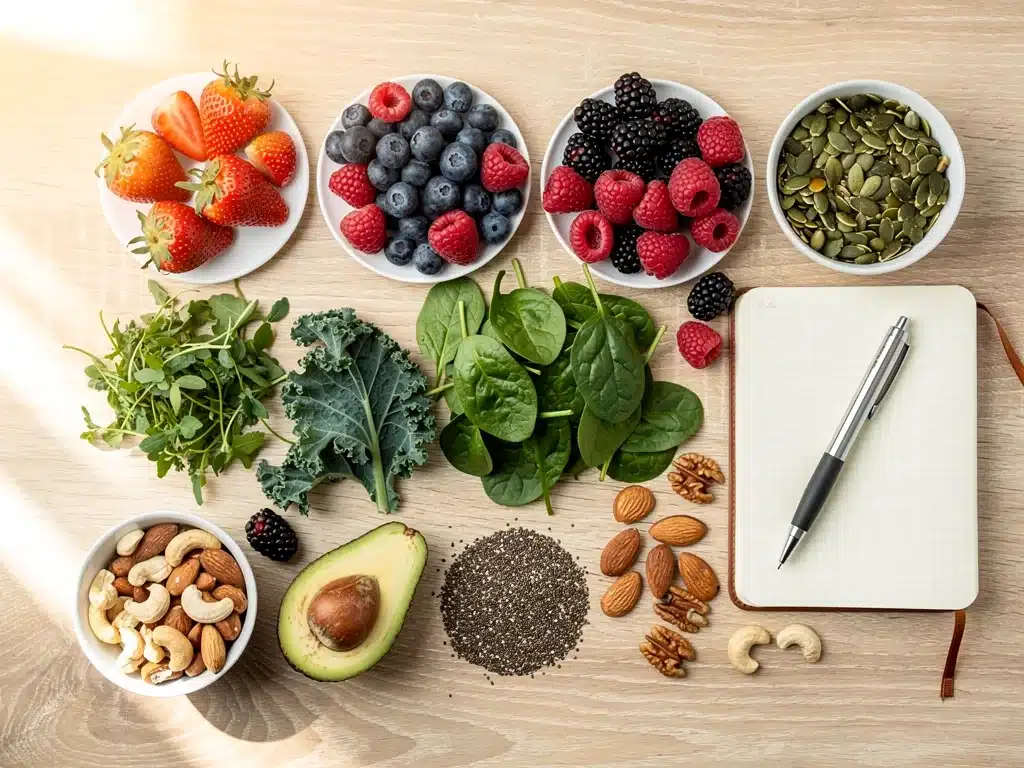
Berries are not just delicious; they are nutritional powerhouses packed with antioxidants, particularly flavonoids, which are crucial for cognitive health and mood enhancement. These vibrant fruits help protect brain cells from oxidative stress and inflammation, two factors that can contribute to cognitive decline and mood disturbances. Their unique composition makes them an invaluable addition to any diet focused on self-care and mental well-being in 2026.
The rich array of phytochemicals in berries supports neuroplasticity and communication between brain cells, which are essential for learning, memory, and emotional regulation. By including berries regularly in your diet, you are actively investing in the long-term health of your brain and fostering a more stable and positive mood.
Flavonoids and Brain Protection
Flavonoids, a type of antioxidant abundant in berries, have been extensively studied for their neuroprotective effects. They can cross the blood-brain barrier, exerting their beneficial actions directly on brain tissue. These compounds help to neutralize free radicals, reduce inflammation, and enhance blood flow to the brain, all of which are vital for optimal cognitive function.
- Anthocyanins: Found in blueberries and blackberries, these give berries their deep colors and are powerful antioxidants.
- Quercetin: Present in cranberries and raspberries, known for its anti-inflammatory properties.
- Catechins: Abundant in strawberries, contributing to brain health and stress reduction.
These compounds work synergistically to create a protective shield for your brain, safeguarding it against daily stressors and environmental toxins. This protective action is a key aspect of using food for self-care, ensuring your brain remains resilient and functional.
Berries for Mood and Stress Reduction
Beyond their cognitive benefits, berries have also been linked to improved mood and reduced stress. Their antioxidant content helps to combat the negative effects of chronic stress on the brain, potentially leading to a more balanced emotional state. Furthermore, some research suggests that the compounds in berries may influence neurotransmitter pathways, similar to how probiotics affect serotonin production.
The natural sweetness and versatility of berries make them an easy and enjoyable addition to any meal or snack. Whether fresh, frozen, or incorporated into smoothies and yogurts, they offer a convenient way to infuse your diet with brain-boosting nutrients. Making berries a regular part of your eating habits is a simple yet effective step towards enhancing your mood and practicing proactive self-care, ensuring your mind remains sharp and your spirits lifted.
Leafy Greens: Nutrient Density for Mental Clarity
Leafy greens are often hailed as nutritional powerhouses, and for good reason. They are packed with vitamins, minerals, and antioxidants that are crucial for overall health, including mental clarity and mood stability. Their high content of folate, magnesium, and various B vitamins makes them indispensable for supporting neurological function and reducing the risk of mood disorders. In 2026, integrating more leafy greens into your diet remains a cornerstone of effective self-care.
The impact of leafy greens extends beyond just providing essential nutrients; they also contribute to detoxification processes and reduce inflammation, both of which are vital for a healthy brain. Their low-calorie, high-nutrient profile makes them an ideal food for supporting both physical and mental well-being without compromising on taste or satiety.
Folate and B Vitamins for Brain Health
Folate (Vitamin B9) and other B vitamins are critical cofactors in the synthesis of neurotransmitters like serotonin, dopamine, and norepinephrine, all of which play significant roles in mood regulation. Deficiencies in these vitamins have been linked to an increased risk of depression and other mental health issues. Leafy greens are among the best dietary sources of natural folate.
- Spinach: Rich in folate, iron, and vitamin K, supporting both mood and bone health.
- Kale: An excellent source of vitamins A, C, and K, along with folate and magnesium.
- Swiss Chard: Provides a good amount of magnesium, which is crucial for nerve function and stress reduction.
Ensuring an adequate intake of these vitamins through foods like leafy greens can help maintain stable mood and cognitive function, making them a foundational element of a self-care diet. These nutrients work harmoniously to support the complex biochemical processes within the brain.
Magnesium: The Anti-Stress Mineral
Magnesium, another abundant mineral in leafy greens, is often referred to as the ‘anti-stress mineral’ due to its calming effects on the nervous system. It plays a role in over 300 biochemical reactions in the body, including those that regulate stress response, sleep, and muscle function. A deficiency in magnesium can manifest as anxiety, irritability, and sleep disturbances, directly impacting self-care efforts.
By regularly consuming leafy greens, you can help ensure your body has sufficient magnesium to cope with daily stressors and maintain a sense of calm. This not only supports mental well-being but also contributes to better sleep quality, which is intrinsically linked to mood. Incorporating a variety of leafy greens into your meals, whether in salads, stir-fries, or smoothies, is a simple yet impactful way to boost your mental clarity and foster emotional resilience, solidifying their role in a proactive self-care regimen.
Fermented Foods: Gut Health and Mood Enhancement
Fermented foods are a growing trend in health and wellness, and for good reason: they are teeming with beneficial probiotics that significantly impact gut health, and consequently, mood. These foods undergo a process of lacto-fermentation, where bacteria convert sugars into lactic acid, creating a rich source of live microorganisms. As we’ve established the critical gut-brain connection, consuming fermented foods becomes a direct strategy for enhancing self-care and emotional well-being in 2026.
The probiotics in fermented foods help to diversify and strengthen the gut microbiome, leading to improved digestion, nutrient absorption, and the production of mood-regulating neurotransmitters. This natural intervention offers a delicious and effective way to nurture your inner ecosystem, which in turn nurtures your mind.
Probiotics and Neurotransmitter Production
The gut microbiome is a significant factory for neurotransmitters. Probiotic-rich fermented foods introduce beneficial bacteria that can enhance the production of compounds like serotonin and GABA (gamma-aminobutyric acid), which are crucial for feelings of happiness, relaxation, and reduced anxiety. A healthy gut environment fosters a healthy brain environment.
- Kimchi: A spicy Korean fermented cabbage dish, rich in probiotics and vitamins.
- Sauerkraut: Fermented cabbage, a traditional German food, provides beneficial bacteria and fiber.
- Kefir: A fermented milk drink with a broader range of probiotic strains than yogurt.
- Yogurt with Live Cultures: Choose plain, unsweetened varieties to avoid excess sugar.
- Miso: A Japanese fermented soybean paste, excellent for soups and dressings.
Regular intake of these foods can contribute to a more balanced gut flora, which in turn can lead to more stable mood patterns and a greater sense of emotional resilience. This direct link between gut health and mental state highlights the profound impact of fermented foods on self-care.
Reducing Inflammation and Boosting Immunity
Beyond neurotransmitter production, fermented foods also play a vital role in reducing systemic inflammation and boosting the immune system. A healthy gut barrier, supported by probiotics, prevents harmful substances from entering the bloodstream, which can trigger inflammatory responses throughout the body, including the brain. By mitigating inflammation, these foods indirectly contribute to a more stable and positive mood.
Moreover, a robust immune system means your body is better equipped to fight off infections and illnesses, reducing physical stressors that can negatively impact mental well-being. Incorporating a variety of fermented foods into your diet is a flavorful way to fortify your gut, enhance your mood, and strengthen your overall health, making them an essential component of a holistic self-care regimen. They offer a tangible, delicious path to feeling better from the inside out.
Dark Chocolate: A Sweet Path to Improved Mood
For many, dark chocolate is a beloved treat, but its benefits extend far beyond its delicious taste. Rich in flavanols, antioxidants, and mood-boosting compounds, dark chocolate can be a surprising yet effective ally in your self-care journey. In 2026, understanding how to incorporate this delightful food wisely can contribute to improved mood and reduced stress, making it a valuable addition to a balanced diet.
The key lies in choosing dark chocolate with a high cocoa content, typically 70% or higher, as this ensures a greater concentration of beneficial compounds and less added sugar. When consumed in moderation, dark chocolate can offer a guilt-free indulgence that genuinely supports your mental well-being.
Flavanols and Endorphin Release
Dark chocolate is particularly high in flavanols, a type of antioxidant that can improve blood flow to the brain, enhancing cognitive function and mood. These compounds also stimulate the production of endorphins, natural feel-good chemicals in the brain that reduce pain and induce a sense of pleasure and well-being. This immediate mood boost makes dark chocolate a unique and enjoyable self-care tool.
- Improved Blood Flow: Flavanols help dilate blood vessels, increasing oxygen and nutrient delivery to the brain.
- Antioxidant Protection: Protects brain cells from oxidative damage, supporting long-term cognitive health.
- Endorphin Boost: Triggers the release of natural opiates, contributing to feelings of happiness.
The combined effect of these mechanisms can lead to a noticeable improvement in mood and a reduction in perceived stress levels. This makes dark chocolate a delightful way to practice self-care, offering both sensory pleasure and tangible health benefits.
Magnesium and Theobromine for Relaxation
In addition to flavanols, dark chocolate also contains magnesium, an essential mineral known for its calming properties. As discussed earlier, magnesium plays a crucial role in regulating neurotransmitters and promoting relaxation. Furthermore, dark chocolate contains theobromine, a mild stimulant that, unlike caffeine, provides a gentle, sustained energy boost without the jitters, contributing to a sense of calm alertness.
The synergistic effect of these compounds makes dark chocolate more than just a treat; it’s a functional food for mood enhancement. Enjoying a small piece of high-quality dark chocolate can be a mindful act of self-care, providing a moment of pleasure while simultaneously nourishing your brain and calming your nervous system. This mindful indulgence can be a powerful component of a holistic approach to boosting self-care and mood in the modern age.
Turmeric: The Golden Spice for Anti-Inflammatory Support
Turmeric, often referred to as ‘the golden spice,’ has been revered for centuries in traditional medicine for its potent anti-inflammatory and antioxidant properties. Its active compound, curcumin, has garnered significant scientific attention for its potential to support brain health and enhance mood. In 2026, incorporating turmeric into your diet is an increasingly recognized strategy for comprehensive self-care, particularly for its ability to combat systemic inflammation that can impact mental well-being.
The beauty of turmeric lies in its ability to address inflammation at a cellular level, which is a common underlying factor in many chronic health issues, including mood disorders. By integrating this powerful spice into your culinary routine, you are taking a proactive step towards fostering a healthier body and a more resilient mind.
Curcumin and Neuroprotection
Curcumin is the primary bioactive compound in turmeric responsible for most of its health benefits. It is a powerful antioxidant that can neutralize free radicals and stimulate the body’s own antioxidant enzymes. More importantly, curcumin has been shown to cross the blood-brain barrier and exert neuroprotective effects, including reducing inflammation and promoting the production of brain-derived neurotrophic factor (BDNF).
- Reduces Brain Inflammation: Curcumin targets inflammatory pathways, crucial for brain health.
- Boosts BDNF: BDNF is vital for brain cell growth, survival, and neuroplasticity, positively impacting mood.
- Antioxidant Action: Protects neurons from oxidative damage, preserving cognitive function.
These actions collectively contribute to a healthier brain environment, which is directly linked to improved mood and cognitive function. This makes turmeric a valuable addition to a diet focused on mental well-being and proactive self-care.
Enhancing Mood and Reducing Depression Symptoms
Emerging research suggests that curcumin may have antidepressant effects, possibly by influencing neurotransmitter levels and reducing inflammation in the brain. Studies have indicated that curcumin can be as effective as some antidepressant medications in alleviating symptoms of depression, particularly when combined with piperine (found in black pepper) to enhance its absorption.
Incorporating turmeric into your cooking, whether in curries, soups, or even lattes, is a delicious way to harness its mood-boosting properties. Pairing it with a pinch of black pepper is essential to maximize its bioavailability and ensure you reap its full benefits. By making turmeric a staple in your kitchen, you are embracing a natural and ancient wisdom for enhancing your mood and supporting your self-care journey, contributing to a more vibrant and balanced life in 2026.
| Key Nutrient/Food | Benefit for Self-Care & Mood |
|---|---|
| Omega-3 Fatty Acids | Supports brain cell function, reduces inflammation, and stabilizes mood. |
| Berries | Rich in antioxidants, protects brain from oxidative stress, and enhances cognitive function. |
| Leafy Greens | High in folate and magnesium, crucial for neurotransmitter synthesis and stress reduction. |
| Fermented Foods | Boosts gut microbiome, supporting serotonin production and immune health. |
Frequently Asked Questions About Food and Mood
While individual responses vary, some people report feeling positive mood shifts within a few days to weeks of adopting a nutrient-rich diet. Consistent consumption of mood-boosting foods helps stabilize blood sugar, reduce inflammation, and support neurotransmitter production over time, leading to sustained improvements.
Yes, highly processed foods, excessive sugar, refined carbohydrates, and unhealthy fats can negatively impact mood. These items can contribute to inflammation, blood sugar imbalances, and gut dysbiosis, all of which are detrimental to mental well-being. Limiting their intake is crucial for optimal self-care.
While supplements can bridge nutritional gaps, they should not replace a whole-food diet. Foods offer a complex array of nutrients, fiber, and phytochemicals that work synergistically. Supplements lack this intricate balance. Focus on food first, consulting a healthcare professional for personalized supplement recommendations if needed.
Hydration is vital for mood and self-care. Even mild dehydration can lead to fatigue, irritability, and difficulty concentrating. Water is essential for brain function, nutrient transport, and detoxification. Ensuring adequate water intake throughout the day is a simple yet powerful step for maintaining cognitive clarity and emotional stability.
Both are important. While specific nutrient-rich foods provide targeted benefits, consistent adherence to a balanced, whole-food diet is paramount. Regularity ensures a steady supply of essential nutrients, supporting long-term gut health, stable blood sugar, and sustained neurotransmitter balance, which are all critical for lasting mood improvement and self-care.
Conclusion
As we navigate the complexities of modern life, the importance of proactive self-care for both our physical and mental health cannot be overstated. The year 2026 emphasizes a holistic approach, where mindful eating is a cornerstone of well-being. By thoughtfully integrating the five nutrient-rich foods discussed—omega-3 rich foods, berries, leafy greens, fermented foods, and dark chocolate—into your daily diet, you are not merely consuming calories; you are actively nourishing your body and mind. These dietary choices provide the essential building blocks for optimal brain function, balanced mood, and enhanced emotional resilience, paving the way for a healthier, happier you.