Boosting Brain Health: 5 Daily Nutrients for US Adults in 2026
Advertisements
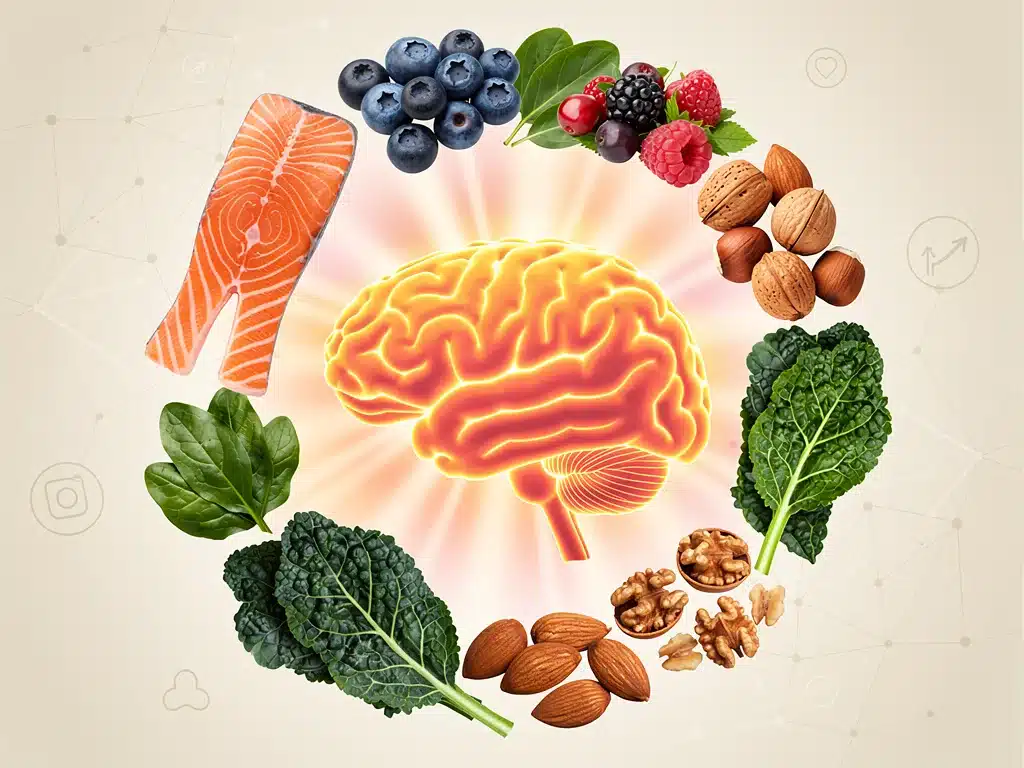
To optimize cognitive function and overall mental well-being, US adults in 2026 should prioritize five key daily nutrients: Omega-3s, B Vitamins, Antioxidants, Choline, and Magnesium, integrating them through practical dietary and lifestyle changes.
Are you a US adult looking to sharpen your mind and improve your cognitive function in 2026? Understanding how to boost your brain health is more crucial than ever. This guide focuses on brain health nutrients and offers practical solutions to integrate them into your daily routine, ensuring your brain receives the fuel it needs to thrive.
Advertisements
The foundation of cognitive vitality: why nutrients matter
Our brains, complex and constantly working organs, demand a steady supply of specific nutrients to function optimally. Just like a high-performance engine, the brain requires premium fuel to maintain its intricate processes, from memory recall to problem-solving. In 2026, with increasing demands on our mental faculties, recognizing the critical role of nutrition in cognitive health is paramount for US adults.
The relationship between diet and brain health is not a new concept, but ongoing research continues to unveil the profound impact specific micronutrients and macronutrients have on neuronal activity, neurotransmitter production, and overall brain structure. A nutrient-deficient diet can lead to cognitive decline, reduced mental clarity, and even contribute to mood disorders. Conversely, a diet rich in brain-boosting elements can enhance focus, improve memory, and protect against neurodegenerative diseases.
Understanding brain nutrition
Brain nutrition goes beyond simply avoiding unhealthy foods. It involves actively seeking out and consuming foods that provide the raw materials for brain cell repair, energy production, and the synthesis of chemicals vital for communication between neurons. This proactive approach to eating can significantly influence how we think, feel, and perform daily.
- Neurotransmitter Support: Specific nutrients are precursors to neurotransmitters, which regulate mood, sleep, and cognitive processes.
- Cellular Protection: Antioxidants shield delicate brain cells from oxidative stress and damage caused by free radicals.
- Energy Metabolism: B vitamins, for instance, are crucial for converting food into the energy brain cells need to function.
Ultimately, investing in your brain’s nutritional needs is investing in your future self. It’s about building a resilient mind capable of navigating the complexities of modern life with clarity and vigor. By understanding the foundational role of nutrients, we pave the way for a healthier, more vibrant cognitive existence.
Omega-3 fatty acids: the brain’s structural architects
Omega-3 fatty acids, particularly EPA and DHA, are often hailed as superstars for brain health, and for good reason. These essential fats are integral components of brain cell membranes, playing a crucial role in maintaining their fluidity and integrity. For US adults aiming to enhance cognitive function and protect against age-related decline, adequate intake of omega-3s is non-negotiable in 2026.
DHA, in particular, is the most abundant omega-3 fatty acid in the brain and retina. It is vital for nerve cell communication, influencing everything from memory and learning to mood regulation. Without sufficient DHA, brain cells can become less efficient, potentially leading to impaired cognitive performance and an increased risk of neurological issues.
Sources and benefits of omega-3s
Incorporating omega-3s into your diet is simpler than you might think. Fatty fish are excellent sources, but plant-based options are also available. The benefits extend beyond structural support, impacting inflammation and overall brain signaling pathways.
- Cognitive Enhancement: Improved memory, focus, and learning capabilities.
- Mood Regulation: Can help reduce symptoms of depression and anxiety by influencing neurotransmitter function.
- Neuroprotection: May reduce the risk of neurodegenerative diseases like Alzheimer’s by protecting brain cells from damage.
To ensure adequate intake, US adults should aim for regular consumption of omega-3 rich foods. Consider wild-caught salmon, mackerel, and sardines as primary sources. For those who prefer plant-based options, flaxseeds, chia seeds, and walnuts offer alpha-linolenic acid (ALA), which the body can convert to EPA and DHA, albeit less efficiently.
B vitamins: the energy and neurotransmitter powerhouses
The B vitamin complex is a group of eight water-soluble vitamins that are absolutely essential for brain health and function. Each B vitamin plays a unique yet interconnected role in maintaining optimal neurological processes, from energy production to DNA synthesis and repair. For US adults navigating the stresses of 2026, ensuring sufficient intake of B vitamins is critical for sustained mental energy and balanced mood.
B vitamins act as coenzymes in numerous metabolic pathways, particularly those involved in cellular energy production. Without them, brain cells struggle to generate the energy required for their complex operations, leading to fatigue, poor concentration, and reduced cognitive performance. Furthermore, several B vitamins are direct precursors to neurotransmitters, chemicals that transmit signals between nerve cells.
Key B vitamins for brain function
While all B vitamins are important, B6, B9 (folate), and B12 are particularly noteworthy for their direct impact on brain health. These three work synergistically to metabolize homocysteine, an amino acid whose elevated levels are linked to cognitive impairment and an increased risk of neurodegenerative conditions.
- Vitamin B6 (Pyridoxine): Involved in the synthesis of neurotransmitters like serotonin, dopamine, and GABA, which regulate mood and sleep.
- Vitamin B9 (Folate): Crucial for DNA synthesis and repair, and for reducing homocysteine levels. Found in leafy greens, legumes, and fortified cereals.
- Vitamin B12 (Cobalamin): Essential for nerve tissue health, red blood cell formation, and DNA synthesis. Primarily found in animal products, making supplementation important for vegetarians and vegans.
Ensuring a balanced intake of B vitamins through a varied diet, including whole grains, lean meats, eggs, dairy, and leafy green vegetables, can significantly support cognitive vitality. For some, especially older adults or those with dietary restrictions, supplementation might be a practical solution to meet daily requirements.
Antioxidants: shielding your brain from oxidative stress
Our brains are highly susceptible to oxidative stress, a process caused by an imbalance between free radicals and the body’s ability to counteract their harmful effects. This stress can damage brain cells, accelerate aging, and contribute to cognitive decline. Antioxidants are the body’s natural defense mechanism, playing a vital role in protecting the brain from this damage. For US adults in 2026, prioritizing antioxidant-rich foods is a powerful strategy to preserve cognitive function and promote long-term brain health.
Free radicals are unstable molecules that can cause cellular damage, and the brain, with its high metabolic rate and lipid content, is particularly vulnerable. Antioxidants neutralize these free radicals, preventing them from harming neurons and disrupting neural pathways. By reducing oxidative stress, antioxidants contribute to better memory, improved learning capabilities, and a reduced risk of neurodegenerative diseases.
Powerful antioxidant sources
A colorful diet is often an antioxidant-rich diet. The vibrant hues of fruits and vegetables are often indicators of their powerful antioxidant content. Including a wide variety of these foods ensures a broad spectrum of protective compounds.
- Berries: Blueberries, strawberries, and raspberries are packed with flavonoids, known for their neuroprotective effects.
- Dark Leafy Greens: Spinach, kale, and collard greens are rich in vitamins C and E, and carotenoids like lutein and zeaxanthin.
- Nuts and Seeds: Walnuts, pecans, and sunflower seeds provide vitamin E, a potent fat-soluble antioxidant.
Beyond specific foods, certain compounds like curcumin (from turmeric) and resveratrol (found in red grapes and berries) also exhibit strong antioxidant properties. Regularly incorporating these into your diet, alongside a diverse array of fresh produce, offers comprehensive protection for your brain cells against the daily onslaught of oxidative damage.
Choline and magnesium: essential for memory and nerve function
Beyond the more commonly discussed brain nutrients, choline and magnesium stand out as critical players in cognitive function, memory, and nerve health. While often overlooked, these two nutrients are indispensable for US adults seeking to optimize their brain health in 2026. Their roles range from neurotransmitter synthesis to supporting electrical impulses in the brain, making them fundamental for mental acuity.
Choline is a nutrient that is structurally similar to B vitamins and is a precursor to acetylcholine, a crucial neurotransmitter involved in memory, learning, and muscle control. Adequate choline intake is vital for maintaining robust cognitive function, especially as we age. Magnesium, on the other hand, is a mineral involved in over 300 enzymatic reactions in the body, many of which are brain-specific. It plays a significant role in nerve transmission, muscle contraction, and maintaining healthy brain cell activity.
The impact of choline and magnesium on the brain
Deficiencies in either choline or magnesium can lead to a host of cognitive issues, including impaired memory, difficulty concentrating, and even increased anxiety. Ensuring sufficient intake helps maintain the delicate balance required for optimal brain performance.
- Choline: Essential for the production of acetylcholine, which is vital for memory formation and recall. It also plays a role in brain development and cell membrane structure.
- Magnesium: Supports healthy nerve function, helps regulate neurotransmitters, and is involved in energy production within brain cells. It also contributes to stress reduction and improved sleep quality, both beneficial for brain health.
Excellent sources of choline include eggs, beef liver, chicken, fish, and certain plant foods like soybeans and cruciferous vegetables. Magnesium can be found in dark leafy greens, nuts, seeds, whole grains, and dark chocolate. Integrating these foods regularly into your diet is a practical step toward supporting your brain’s intricate network and enhancing cognitive resilience.
Practical solutions for daily nutrient intake
Knowing which nutrients are essential is only half the battle; the other half is consistently integrating them into your daily life. For US adults in 2026, busy schedules and varied dietary preferences can make this challenging. However, with a few practical strategies, optimizing your daily nutrient intake for brain health becomes an achievable goal, not an overwhelming task.
The key lies in mindful eating and making informed choices that prioritize both convenience and nutritional value. Instead of viewing healthy eating as a restrictive diet, consider it an empowering lifestyle choice that directly benefits your cognitive well-being. Small, consistent changes can lead to significant long-term improvements in brain function and overall vitality.
Strategies for nutrient integration
From meal planning to smart snacking, there are numerous ways to ensure your brain receives its daily dose of essential nutrients. Focus on variety and whole foods to maximize your intake of vitamins, minerals, and healthy fats.
- Meal Prep for Success: Dedicate time each week to plan and prepare meals rich in brain-boosting ingredients. This reduces the likelihood of resorting to less nutritious options when time is short.
- Smart Snacking: Replace processed snacks with nutrient-dense alternatives like a handful of walnuts, a cup of berries, or an avocado slice.
- Supplement Wisely: If dietary intake is insufficient, consider targeted supplements under the guidance of a healthcare professional. Quality matters, so research reputable brands.
Additionally, staying hydrated is a simple yet often overlooked aspect of brain health. Water is crucial for nutrient transport and waste removal from brain cells. Combining these dietary approaches with regular physical activity and adequate sleep creates a holistic foundation for superior brain health. By adopting these practical solutions, US adults can proactively support their cognitive function and enjoy a sharper, more resilient mind for years to come.
| Key Nutrient | Primary Benefit for Brain Health |
|---|---|
| Omega-3 Fatty Acids | Supports brain cell structure and communication, improves memory. |
| B Vitamins (B6, B9, B12) | Essential for energy production and neurotransmitter synthesis. |
| Antioxidants | Protects brain cells from oxidative stress and damage. |
| Choline & Magnesium | Crucial for memory, learning, and nerve impulse transmission. |
Frequently asked questions about brain health nutrients
Common signs include persistent fatigue, poor concentration, memory lapses, irritability, and mood swings. These symptoms often indicate that your brain isn’t receiving the necessary fuel to perform optimally. Addressing these early can prevent more significant cognitive issues.
While supplements can help fill nutritional gaps, they should not replace a balanced, whole-food diet. Whole foods offer a complex array of nutrients, fiber, and phytochemicals that work synergistically for optimal health outcomes, which supplements cannot fully replicate.
The timeline for noticing cognitive improvements varies for each individual. Some may experience subtle changes within a few weeks, while others might take several months. Consistency in dietary changes and lifestyle habits is key for sustained benefits.
The Mediterranean diet and the MIND diet are widely recommended for their brain-protective benefits. Both emphasize whole foods, fruits, vegetables, healthy fats, and lean proteins, aligning with the principles of optimal brain nutrition.
Hydration is crucial for nutrient transport to the brain and for removing metabolic waste. Even mild dehydration can impair cognitive functions like concentration and memory. Ensuring adequate water intake helps all brain health nutrients perform effectively.
Conclusion
Prioritizing the right nutrients is a powerful and proactive step for US adults to safeguard and enhance their brain health in 2026 and beyond. By focusing on Omega-3s, B Vitamins, Antioxidants, Choline, and Magnesium, individuals can build a strong nutritional foundation for optimal cognitive function. Integrating these essential elements through practical dietary choices, combined with a healthy lifestyle, not only sharpens the mind but also contributes to overall well-being. Embrace these strategies to unlock your brain’s full potential and enjoy a clearer, more vibrant mental life.