Evening Blue Light Blocking: 3 Crucial Adjustments Before Bed 2026
Advertisements
Evening Blue Light Blocking involves reducing exposure to bright artificial light, adjusting digital devices, and considering optional light-filtering eyewear before bedtime. Discover three practical changes to try during the two hours before sleep in 2026, along with what scientific research actually says about their effectiveness.
Evening Blue Light Blocking is one approach to creating a more comfortable nighttime routine, especially for people who regularly use smartphones, computers, or televisions before going to bed.
Artificial light can influence the body's internal clock, but the effects depend on brightness, timing, duration, and individual sensitivity. Reducing unnecessary light exposure may help support healthier sleep habits.
This guide explains three practical adjustments to consider during the two hours before bedtime, separating established sleep recommendations from claims that still require stronger scientific evidence.
The Science Behind Evening Blue Light Blocking
The human body follows a roughly 24-hour biological cycle known as the circadian rhythm, which helps regulate sleep, wakefulness, and other physiological processes.
Light is one of the main environmental signals that influence this internal clock. Daylight generally supports alertness, while darkness helps the body prepare for nighttime rest.
Artificial light exposure late in the evening can interfere with these signals, although its effects vary according to the characteristics of the light and the person exposed.
How Blue Light Affects Sleep Cycles
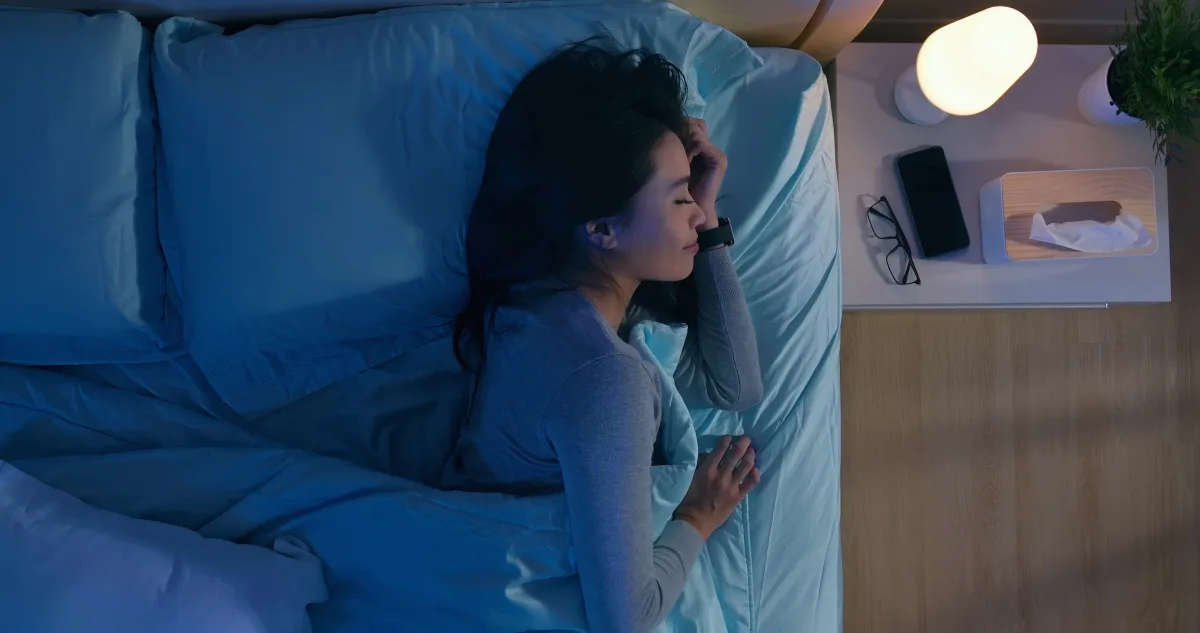
Blue-enriched light can influence the body's circadian system, particularly when exposure occurs during the evening or nighttime.
Bright light may suppress or delay melatonin release, a hormone involved in signaling biological nighttime and helping regulate the sleep-wake cycle.
However, not every screen or short exposure produces the same effect. Brightness, viewing distance, exposure duration, and personal sensitivity all matter.
Why Light Timing Matters
The circadian system responds differently to light depending on the time of day and the individual's habitual sleep schedule.
According to guidance from the CDC's National Institute for Occupational Safety and Health, the period approximately two hours before usual bedtime is particularly relevant to circadian light sensitivity.
Reducing bright evening light during this period is therefore a practical option, although there is no universal requirement that every person follow an exact two-hour schedule.
Blue Light Versus Overall Brightness
Blue wavelengths receive considerable attention because of their effects on circadian signaling, but they are not the only factor influencing sleep.
A very bright room can remain stimulating even when its lighting appears warm, while a dimmer environment may be more comfortable for nighttime activities.
For this reason, Evening Blue Light Blocking should be considered alongside overall light intensity and other healthy sleep practices.
Adjustment 1: Digital Device Optimization
Smartphones, tablets, computers, and televisions are common sources of artificial light during the evening.
Many devices include settings that reduce screen brightness or shift the display toward warmer colors, making nighttime viewing more comfortable.
These settings may reduce certain wavelengths of light, but their effect on actual sleep quality is not guaranteed and depends on how the device is used.
Implementing Night Mode and Filters
Begin by enabling your device's built-in night display, warm color setting, or blue-light reduction feature if one is available.
Lower the screen brightness to a comfortable level, particularly when the surrounding room is already dim.
When possible, schedule these adjustments to activate automatically before your usual bedtime so you do not need to remember them every evening.
Why Reducing Screen Time Still Matters
Changing display colors does not eliminate the potential effects of bright screens or engaging digital activities.
Work messages, social media, competitive games, and emotionally stimulating content may keep people mentally alert even when a blue-light filter is enabled.
Consider taking a break from screens during the final hour before bedtime, especially if nighttime device use regularly delays your sleep.
Creating a Practical Device Schedule
Approximately two hours before bed, activate warmer screen settings and reduce unnecessary brightness.
During the following hour, finish essential digital tasks and limit activities that encourage extended scrolling or repeated notifications.
As bedtime approaches, choose a relaxing activity that does not require looking at a bright screen whenever that option is practical.
What to Do When Screen Use Is Unavoidable
Some people need computers or mobile devices for evening work, family communication, or other responsibilities.
In these situations, reducing brightness, limiting unnecessary notifications, and taking regular breaks may help make the experience more manageable.
Prioritize completing essential tasks efficiently rather than assuming that any filter can fully compensate for prolonged nighttime screen exposure.
Adjustment 2: Environmental Lighting Transformation
Indoor lighting can influence the body's preparation for sleep, making it useful to consider more than just smartphone and computer screens.
Bright overhead lights, illuminated televisions, and strong bedroom lighting may contribute to unnecessary evening exposure.
A gradual transition toward dimmer lighting can create a calmer environment while allowing people to continue ordinary nighttime activities.
Choosing the Right Light Bulbs
Warm-white bulbs are commonly available in color temperatures around 2700K, while lower color temperatures generally create a warmer appearance.
These bulbs can be suitable for bedrooms and living spaces, although the color temperature alone does not determine how much a light source affects circadian rhythms.
Consider both brightness and color when selecting lighting, and ensure that rooms remain adequately illuminated for safe movement and activities.
Using Dimmers and Smaller Lamps
Dimmer switches allow certain compatible light fixtures to operate at different brightness levels throughout the evening.
Table lamps and other localized light sources can provide illumination for specific activities without lighting an entire room as brightly.
Choose lighting arrangements that remain comfortable and safe, especially near stairs, hallways, or areas where visibility is important.
Smart Lighting Systems and Timers
Smart bulbs and compatible lighting systems may allow users to adjust brightness and color temperature through scheduled settings.
For example, a household could program selected lights to become gradually dimmer before the usual bedtime.
However, a smart lighting system is not necessary for a sleep-supportive environment. Ordinary lamps and manual switches can accomplish many of the same goals.
Managing Bedroom Light Sources
Bedroom lighting may include digital clocks, electronic indicators, outdoor streetlights, and other sources that remain visible after lights are switched off.
Covering unnecessary indicator lights or adjusting window coverings may help create a darker sleeping environment.
The NIH recommends a bedroom that is quiet, cool, and dark, recognizing that overall sleep conditions matter beyond the color of artificial light.
Adjustment 3: Considering Blue Light Blocking Eyewear
Blue-light-filtering glasses are marketed as an option for reducing exposure to certain wavelengths from screens and indoor lighting.
Some products use clear lenses, while others feature yellow, orange, or red tints that may filter different portions of the visible light spectrum.
However, the scientific evidence does not establish that wearing these glasses routinely improves sleep for the general population.
What Research Says About Blue Light Glasses
A Cochrane systematic review examined clinical trials involving blue-light-filtering spectacle lenses and several potential health outcomes.
The researchers found inconsistent results concerning sleep quality, with limited evidence and differences between the populations studied.
Consequently, it would be misleading to describe blue-light-filtering eyewear as a proven treatment for insomnia or an essential requirement for healthy sleep.
Selecting Effective Blue Light Glasses
If you decide to try light-filtering glasses, review the manufacturer's information about the wavelengths filtered and the conditions under which measurements were performed.
Lens color alone does not establish clinical effectiveness, and marketing claims about blocking a specific percentage of blue light do not guarantee better sleep.
Comfort, fit, visual clarity, and any prescription needs should also influence your decision.
Clear Lenses Versus Orange-Tinted Lenses
Different lens technologies filter different amounts and ranges of short-wavelength visible light.
Some darker orange or red lenses may provide stronger filtering of certain wavelengths than lightly tinted products, but this does not automatically demonstrate superior sleep outcomes.
Consumers should avoid assuming that any particular tint is medically necessary without evidence relevant to their individual needs.
When Eyewear May Be Worth Considering
People who cannot avoid bright evening lighting may be interested in experimenting with additional light-reduction strategies.
However, affordable changes such as dimming lights and reducing unnecessary screen exposure are reasonable starting points before purchasing specialized products.
If you wear prescription glasses or experience visual discomfort, consult an appropriate eye care professional before making changes that could affect vision.
Integrating Blue Light Blocking Into Your Daily Routine
The three adjustments work best as elements of a broader nighttime routine rather than isolated solutions.
Creating a consistent period for winding down can help establish familiar cues that separate daytime activities from bedtime.
Personal schedules vary, so the goal is to develop habits that are realistic and supportive of adequate sleep.
Creating a Pre-Sleep Ritual
Begin by selecting a regular bedtime and wake-up time that allow sufficient sleep for your circumstances.
Choose relaxing evening activities such as reading, listening to calm music, or preparing for the next day without unnecessary time pressure.
If you enjoy a warm bath or gentle stretching, these activities may form part of your personal wind-down routine.
A Simple Two-Hour Evening Schedule
Two hours before bedtime, reduce unnecessarily bright lighting and activate appropriate display settings on devices you still need.
During the following hour, finish demanding tasks when possible and move toward quieter activities with fewer interruptions.
In the final portion of the evening, keep the sleeping environment comfortable and avoid returning to stimulating activities that routinely delay bedtime.
Why Consistent Wake-Up Times Matter
The NIH emphasizes the importance of maintaining a regular sleep and wake schedule, including on weekends when practical.
Large changes in sleeping hours may interfere with the body's ability to maintain a predictable routine.
Regular wake-up times and appropriate daytime light exposure can complement efforts to reduce bright artificial light in the evening.
Daytime Habits That Support Nighttime Sleep
Sleep patterns are influenced by more than evening lighting, including physical activity, caffeine consumption, and daily schedules.
Spending time outdoors during daylight can help reinforce environmental signals associated with daytime wakefulness.
Regular exercise and avoiding caffeine too close to bedtime may also support healthy sleep habits, although individual tolerance and schedules vary.
Monitoring Progress and Adjusting Strategies
Sleep is a highly individual experience, so changes to evening lighting may produce different results from one person to another.
Rather than expecting an immediate improvement, observe patterns over time while keeping other aspects of your schedule reasonably consistent.
A short sleep diary can help identify whether bedtime, wake-up time, and perceived restfulness are changing.
Using Sleep Tracking Tools Responsibly
Wearables and sleep-tracking applications may estimate sleep duration, movement, and other measures using device sensors.
However, consumer devices do not always measure sleep stages or overall sleep quality accurately enough for medical diagnosis.
Use their information as general feedback rather than treating every nightly score as a precise assessment of sleep health.
Signs That Your Routine May Be Helping
Consider whether you are falling asleep at a more consistent time and whether bedtime feels less disrupted by screens or bright lighting.
Also pay attention to how rested you feel upon waking and whether you experience excessive daytime sleepiness.
Improvements may reflect several changes in your routine, so they should not automatically be attributed to blocking blue light alone.
Troubleshooting and Refinement
If you continue to struggle with sleep, review your schedule, caffeine intake, evening activities, and bedroom environment.
Consider whether stress, work demands, medications, or other factors may be contributing to difficulty falling or staying asleep.
Persistent insomnia, significant daytime sleepiness, or concerns about a sleep disorder warrant discussion with a qualified healthcare professional.
The Broader Health Benefits of Healthy Evening Habits
Reducing excessive artificial light can be one component of maintaining a healthy sleep schedule, but it should not be presented as a treatment that guarantees broad medical benefits.
Adequate sleep supports many aspects of physical and mental functioning, including attention, learning, mood, and everyday performance.
Maintaining a consistent sleep schedule and allowing enough time for rest are important parts of sleep science and practical wellness recommendations.
Impact on Mental Acuity and Mood
Insufficient sleep can affect attention, concentration, and the ability to manage everyday responsibilities.
Healthy sleep routines may support emotional functioning, although reducing blue light exposure alone has not been established as a treatment for mood disorders.
Building consistent sleep habits can complement other approaches to mood regulation and general well-being.
Sleep and Everyday Emotional Balance
Sleep and emotional well-being influence one another, with stressful experiences sometimes making it more difficult to settle down at night.
Reducing stimulating activities before bedtime may help create a more relaxing transition from the demands of the day.
These practices can fit into a broader approach to emotional balance, but persistent mental health symptoms should receive appropriate professional attention.
Physical Health and Sleep Consistency
The NIH identifies sufficient, good-quality sleep as an important part of maintaining overall health.
Long-term sleep deficiency has been associated with several health risks, although individual outcomes depend on many factors.
Prioritizing adequate sleep duration and a consistent routine is more strongly supported than assuming that a particular light-filtering product prevents illness.
Common Misconceptions About Evening Blue Light Blocking
Public discussions about blue light often combine well-established circadian research with product claims that have not been tested thoroughly.
Understanding the difference can help consumers make decisions without purchasing unnecessary accessories.
It is also useful to recognize that sleep difficulties have multiple potential causes and cannot always be resolved through lighting changes.
Do Blue Light Filters Guarantee Better Sleep?
No. Screen filters change the characteristics of emitted light, but available research does not establish that using them will consistently improve sleep quality for everyone.
Reducing total screen brightness and limiting stimulating activities may remain useful even when a device's night mode is activated.
The most practical approach is to combine reasonable light adjustments with established sleep hygiene habits.
Is Blue Light Always Harmful?
No. Light exposure during the daytime is an important part of the signals that help regulate circadian rhythms and alertness.
Concerns about blue-enriched light primarily involve exposure at biologically inappropriate times, especially late in the evening.
Avoiding natural daylight is not a recommended strategy for improving nighttime sleep.
Do You Need Special Equipment?
Most people can begin improving their evening lighting environment without buying specialized products.
Lowering screen brightness, switching off unnecessary lights, and keeping the bedroom dark are accessible changes.
Specialized eyewear may be considered as an optional experiment, but its clinical benefits for sleep remain uncertain.
Evening Blue Light Blocking: Key Takeaways
Evening Blue Light Blocking can be approached through three main adjustments: managing device displays, reducing unnecessary indoor lighting, and evaluating optional light-filtering eyewear.
The first two strategies are consistent with broader recommendations to avoid bright artificial light before bedtime, while evidence for the sleep benefits of special glasses remains inconclusive.
The following table summarizes these approaches and places them within a balanced nighttime routine.
Key Adjustment | Benefit for Sleep |
|---|---|
Device Optimization | Reducing screen brightness and limiting evening use may help decrease unnecessary light exposure and stimulation. |
Environmental Lighting | Dimming bright indoor lights can create a nighttime environment more consistent with healthy sleep recommendations. |
Blocking Eyewear | Some lenses filter short-wavelength light, but evidence that they consistently improve sleep remains uncertain. |
Consistent Routine | Regular sleep schedules and calming bedtime habits support healthy sleep alongside appropriate lighting choices. |
Frequently Asked Questions About Evening Blue Light Blocking
What is the primary benefit of Evening Blue Light Blocking?
The main purpose of Evening Blue Light Blocking is to reduce exposure to wavelengths that can influence circadian signaling, particularly during the hours before sleep. Limiting bright artificial light may support a more suitable nighttime environment, although improved sleep quality is not guaranteed for every individual.
How soon before bed should I start blocking blue light?
Starting to reduce bright artificial light approximately two hours before your usual bedtime is a reasonable approach supported by CDC guidance on circadian light sensitivity. Other NIH recommendations also emphasize avoiding bright screens and stimulating activities during the final hour before bed. The best routine depends on your schedule and needs.
Are clear blue light glasses effective for evening use?
Clear and tinted lenses can filter different amounts of short-wavelength light, but filtering performance does not necessarily establish improved sleep outcomes. A Cochrane review found inconsistent results regarding sleep quality, so neither clear nor orange-tinted glasses should be considered a proven solution for better sleep.
Can Evening Blue Light Blocking help with insomnia?
Reducing unnecessary bright light may support healthy sleep habits, but it is not an established standalone treatment for chronic insomnia. Persistent insomnia may require professional assessment and evidence-based treatment, such as cognitive behavioral therapy for insomnia when appropriate.
What if I must use screens in the evening?
Reduce screen brightness, enable warm display settings if helpful, and limit unnecessary notifications or prolonged scrolling. Take breaks when possible and maintain a dimmer surrounding environment. Blue-light-filtering eyewear is optional, and research has not established that it consistently prevents sleep disruption.
What This Means for Healthier Evening Routines
The growing discussion around Evening Blue Light Blocking reflects broader interest in digital habits and their relationship with sleep.
However, research does not support treating every light-filtering product as essential. A combination of appropriate lighting, regular sleep schedules, and practical routines remains a more balanced approach to sleep quality.
When considering additional products, including Blue Light Blocking glasses, distinguish the amount of light filtered from evidence of actual health benefits.
Developing a realistic nighttime routine also fits into a broader approach to self-care, prioritizing adequate rest without unrealistic promises.