Optimizing Sleep for Emotional Health: 2026 Strategies
Advertisements
Optimizing sleep emotional health starts with recognizing that adequate, consistent sleep supports mood regulation, concentration, decision-making, and the ability to handle stress.
In the United States, short sleep remains common, making practical approaches to improving sleep relevant for both physical and emotional well-being.
Three useful strategies stand out in 2026: evidence-based CBT-I, consistent sleep habits, and technology used carefully as a supporting tool.
Why Sleep Matters for Emotional Health
Sleep supports brain processes involved in attention, learning, decision-making, emotional control, and adaptation to everyday changes and stressful situations.
When sleep is repeatedly insufficient, people may experience irritability, reduced concentration, mood changes, and greater difficulty coping with daily demands.
Sleep problems can also occur alongside mental health conditions, making persistent symptoms worth discussing with a qualified healthcare professional.
The Connection Between Sleep and Mood
Sleep and emotional health influence one another, meaning poor sleep can worsen emotional functioning while stress or mood symptoms can disrupt sleep.
This relationship makes it important to avoid treating sleep as an isolated nightly event disconnected from daytime habits and psychological well-being.
Improving sleep does not replace mental health treatment, but healthier sleep can support broader efforts to improve functioning and emotional resilience.
How Common Is Short Sleep?
Recent U.S. health data show that a substantial share of adults still sleep fewer than seven hours during an average 24-hour period.
Sleep difficulties also vary across age, sex, and demographic groups, showing that there is no single pattern affecting every American equally.
These differences reinforce the importance of choosing sleep strategies based on individual symptoms rather than relying on one universal solution.
Strategy 1: Cognitive Behavioral Therapy for Insomnia
Cognitive behavioral therapy for insomnia, known as CBT-I, remains the strongest evidence-based behavioral treatment for adults with chronic insomnia.
It addresses behaviors and thought patterns that can maintain insomnia rather than focusing only on temporarily increasing the amount of sleep.
CBT-I can be delivered individually, in groups, through telehealth, and through certain guided or digital formats depending on availability.
How CBT-I Works
CBT-I typically combines several techniques designed to strengthen the association between bed, nighttime routines, and consolidated sleep.
Components may include stimulus control, structured changes to time in bed, cognitive strategies, relaxation methods, and sleep-related education.
The exact approach should reflect the patient's symptoms and circumstances rather than being reduced to generic sleep-hygiene recommendations.
Why CBT-I Is Different From Sleep Hygiene
Sleep hygiene usually refers to general habits such as maintaining a routine, reducing nighttime stimulation, and creating a comfortable bedroom.
Those habits can support healthy sleep, but clinical guidelines indicate that sleep hygiene alone is not an adequate treatment for chronic insomnia.
CBT-I uses a structured therapeutic approach that directly addresses behaviors and beliefs contributing to persistent difficulty sleeping.
Digital CBT-I and Remote Delivery
Research supports several delivery formats for CBT-I, including individual therapy, group treatment, telephone programs, guided self-help, and digital interventions.
Digital access can expand availability when in-person specialists are difficult to reach, although effectiveness can vary among platforms and users.
People with complex medical, psychiatric, or sleep conditions may still benefit from professional assessment rather than relying entirely on an application.
Strategy 2: Build Consistent Sleep Habits
For people without chronic insomnia requiring treatment, consistent daily habits can help reinforce the body's sleep-wake rhythm and improve sleep opportunity.
This includes maintaining a reasonably regular sleep schedule, protecting enough time for sleep, and reducing activities that repeatedly interfere with rest.
These habits are supportive rather than curative, especially when symptoms suggest insomnia, sleep apnea, another sleep disorder, or a mental health condition.
Keep a Consistent Sleep Schedule
Going to bed and waking at broadly similar times each day can help stabilize the timing of sleep across the week.
Large shifts between workdays and weekends can make it harder for some people to maintain a predictable pattern of alertness and sleepiness.
A sustainable schedule is generally more useful than forcing an unusually early bedtime when the body is not yet ready for sleep.
Create an Environment That Supports Sleep
A bedroom that is dark, reasonably quiet, comfortable, and appropriately cool can reduce environmental disturbances during the night.
Noise, unwanted light, uncomfortable temperatures, and repeated notifications can make it harder to fall asleep or remain asleep consistently.
Simple environmental adjustments can therefore support optimizing sleep emotional health without requiring expensive equipment.
Manage Caffeine, Alcohol, and Evening Habits
Caffeine can remain active for hours, so consuming it later in the day may interfere with sleep for people who are sensitive.
Alcohol may initially increase sleepiness but can disrupt sleep later in the night and should not be treated as a sleep aid.
Large meals, intense stimulation, and highly activating activities close to bedtime can also make winding down more difficult for some individuals.
Strategy 3: Use Sleep Technology Carefully
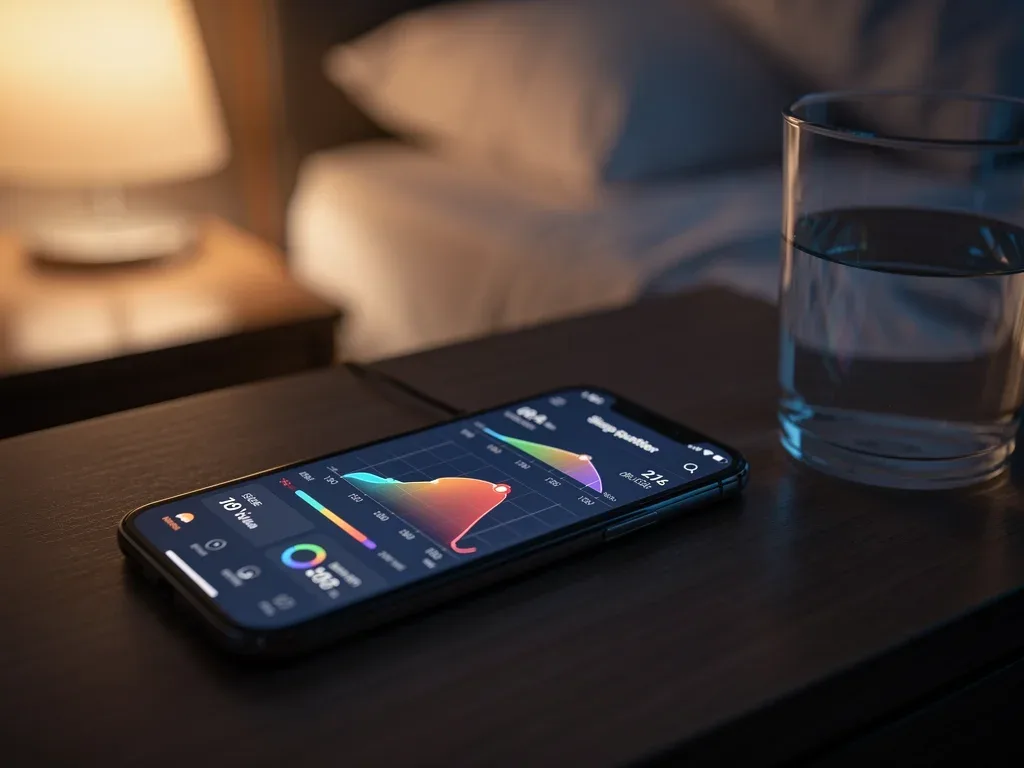
Wearables and sleep applications can provide estimates of sleep duration, timing, nighttime movement, heart rate, and other physiological signals.
These devices can be useful for identifying broad patterns and encouraging consistency, but consumer measurements should not be treated as clinical diagnoses.
Their greatest value is often helping users notice habits and trends that can later be discussed with a healthcare professional when necessary.
What Wearables Can Track
Many modern devices estimate sleep timing by combining movement, heart-rate data, temperature measurements, or other signals collected during the night.
These estimates may help show whether sleep timing changes substantially between days or whether nighttime interruptions appear to be increasing.
However, consumer devices are not substitutes for polysomnography or other clinically appropriate testing when a sleep disorder is suspected.
Avoid Becoming Obsessed With Sleep Scores
Sleep scores can encourage healthy habits, but focusing excessively on achieving perfect nightly metrics can create unnecessary worry around sleep.
Daytime functioning, symptoms, consistency, and overall well-being often provide useful context that a single number cannot fully capture.
If tracking increases anxiety rather than helping, reducing the frequency of monitoring may be more useful than checking every metric nightly.
Data Privacy Also Matters
Sleep applications and wearables can collect sensitive information about routines, activity patterns, physiology, location, or other personal behaviors.
Users should review privacy settings, account permissions, data-sharing practices, and whether information is transferred to third parties.
A device's convenience or wellness features should not replace careful consideration of how personal health-related data will be handled.
Comparing the Three Sleep Strategies
The three approaches serve different purposes, so they should not be viewed as equally powerful treatments for every type of sleep problem.
CBT-I has the strongest clinical role for chronic insomnia, while healthy routines provide foundational support and technology can assist with monitoring.
Choosing between them depends on symptoms, severity, access to care, personal preferences, and whether a diagnosed sleep disorder is present.
CBT-I for Persistent Insomnia
CBT-I is most appropriate when difficulty falling asleep, remaining asleep, or waking too early becomes persistent and affects daytime functioning.
Professional treatment can also account for conditions such as depression, anxiety, PTSD, chronic pain, or other issues occurring alongside insomnia.
This makes CBT-I substantially different from simply downloading a sleep application or following a general list of bedtime habits.
Sleep Habits for Everyday Support
Consistent routines are accessible and inexpensive, making them a reasonable foundation for people trying to improve ordinary sleep habits.
They may also complement formal treatment by reducing environmental and behavioral factors that interfere with healthy sleep opportunity.
If persistent insomnia continues despite good habits, repeatedly adding more sleep-hygiene rules is unlikely to replace appropriate clinical evaluation.
Technology as a Supporting Tool
Wearables can provide convenient feedback, but their role is better understood as supportive rather than as primary therapy for insomnia.
They may be especially useful for people who want to monitor schedules, identify inconsistent routines, or observe broad changes over time.
Claims that a consumer device can precisely identify sleep stages or actively produce deeper sleep should be evaluated with caution.
Physical Activity and Sleep
Regular physical activity supports overall health and can also contribute to better sleep for many adults when incorporated consistently.
The best timing varies by person, so exercise does not need to follow a single universal morning or afternoon schedule.
Individuals who notice that vigorous late exercise keeps them awake can experiment with moving intense sessions earlier in the day.
Use Daylight to Support Circadian Timing
Exposure to daylight helps provide the brain with timing information that supports normal circadian rhythms and daily alertness patterns.
Spending time outside during daylight hours can therefore complement regular sleep and wake schedules as part of healthy daily routines.
People with circadian rhythm disorders may require more specific light-based treatment under professional guidance rather than casual self-treatment.
Exercise Without Turning It Into Another Sleep Rule
Physical activity should support overall health instead of becoming another rigid requirement that creates anxiety about achieving perfect sleep.
Walking, strength training, aerobic activity, or other appropriate exercise can be incorporated according to ability, health, and personal preference.
Consistency and sustainability matter more than following claims that one precise exercise schedule guarantees a particular sleep outcome.
Nutrition and Sleep Quality
Diet and sleep are related, but the evidence does not support relying on individual nutrients or foods as reliable treatments for chronic insomnia.
Regular eating patterns and avoiding uncomfortable heavy meals near bedtime may be more practical than searching for a specific sleep-promoting ingredient.
People with medical conditions or dietary concerns should avoid major nutritional changes based solely on wellness claims about improving sleep.
Be Careful With Sleep Supplements
Supplements marketed for sleep can vary in ingredients, dose, evidence, quality, and potential interactions with medications or medical conditions.
Products described as natural are not automatically effective or appropriate for every person experiencing difficulty sleeping.
Persistent insomnia deserves appropriate assessment rather than indefinite experimentation with supplements without understanding the underlying problem.
Caffeine Timing Can Matter
Caffeine affects people differently, but consuming coffee, energy drinks, tea, or other caffeinated products late can delay sleep for some adults.
People experiencing difficulty falling asleep can monitor whether reducing late-day caffeine changes their ability to settle at night.
There is no universal cutoff that works for everyone because metabolism, dose, frequency of use, and sensitivity vary considerably.
Stress Management and Emotional Regulation
Stress can increase mental and physical arousal, making it difficult to disengage from worries when trying to sleep at night.
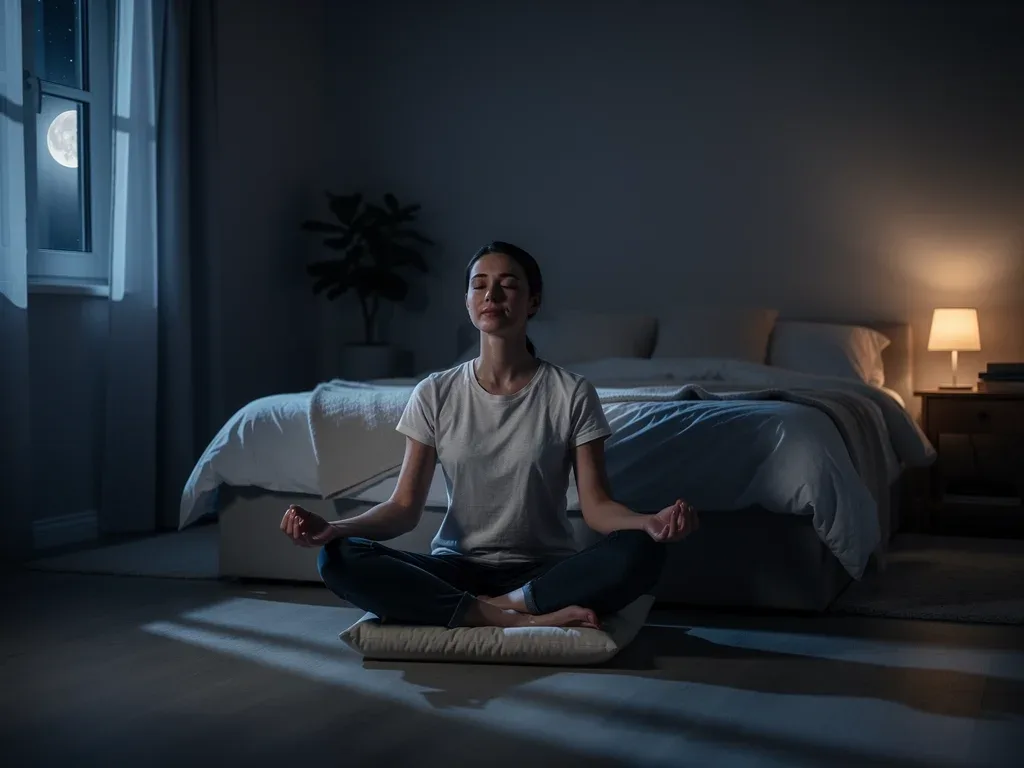
Relaxation techniques, quiet routines, mindfulness practices, or other calming activities can help some people transition toward bedtime more comfortably.
These practices may support sleep, but they should not be presented as substitutes for treatment when anxiety or depression is persistent or severe.
Mindfulness as a Supportive Practice
Mindfulness practices encourage attention to present experiences without repeatedly engaging with thoughts that may increase nighttime mental arousal.
Some people find meditation or controlled breathing helpful as part of a relaxing evening routine before they attempt to sleep.
Results vary, and mindfulness should remain one supportive option rather than being presented as a guaranteed treatment for insomnia.
When Emotional Symptoms Need More Attention
Persistent sadness, anxiety, irritability, loss of interest, or difficulty functioning should not automatically be attributed only to poor sleep.
Sleep and mental health conditions can interact, making professional evaluation useful when symptoms become frequent, intense, or disruptive.
Improving sleep can support emotional health, but it does not replace appropriate assessment and treatment of a mental health condition.
Screen Use Before Bed
Phones, computers, television, and other devices can interfere with bedtime when they keep users mentally engaged or delay the intended sleep schedule.
Light exposure can also influence circadian timing, although the effect depends on brightness, duration, timing, and individual sensitivity.
The practical goal is therefore reducing activities that repeatedly delay sleep rather than treating every screen as inherently harmful.
A Practical Digital Wind-Down
People who repeatedly lose sleep because of scrolling, gaming, work messages, or streaming may benefit from setting a stopping point.
Moving highly stimulating activities earlier can create a calmer period before bed without requiring complete avoidance of technology every evening.
Notifications can also be silenced or devices moved away from the bed when they regularly interrupt sleep during the night.
When to Seek Professional Help
Occasional poor sleep is common, but recurring problems that affect daytime functioning may justify evaluation by a healthcare professional.
Persistent insomnia, loud snoring, breathing pauses, excessive daytime sleepiness, restless legs, or unusual nighttime behaviors deserve particular attention.
Evaluation can help identify whether symptoms reflect insomnia, sleep apnea, circadian problems, medication effects, or another medical condition.
Chronic Insomnia Requires More Than Tips
Chronic insomnia involves persistent difficulty sleeping despite adequate opportunity, together with meaningful impairment during waking hours.
People meeting this pattern should not assume they simply need stricter routines, a better wearable, or another sleep supplement.
Evidence-based treatment such as CBT-I can directly address the behavioral and cognitive processes that maintain insomnia over time.
Sleep Apnea Should Not Be Self-Diagnosed
Obstructive sleep apnea is different from insomnia and can involve repeated breathing disturbances that require appropriate medical assessment.
Snoring alone does not establish a diagnosis, while the absence of obvious snoring does not necessarily exclude a sleep disorder.
A clinician can determine whether symptoms warrant formal testing and which evaluation method is appropriate for the individual situation.
Strategy | Best Role |
|---|---|
CBT-I | First-line behavioral treatment for chronic insomnia. |
Consistent Sleep Habits | Foundational support for regular sleep and daily routines. |
Wearable Technology | Tracking broad patterns and supporting behavioral awareness. |
Physical Activity | Supporting overall health and healthy sleep patterns. |
Professional Evaluation | Assessing persistent or potentially clinical sleep problems. |
Frequently Asked Questions About Sleep and Emotional Health
How does sleep affect emotional health?
Insufficient sleep can make emotional regulation, decision-making, concentration, and coping with stress more difficult, while adequate sleep supports normal brain functioning.
What is the best treatment for chronic insomnia?
CBT-I is recommended as a first-line evidence-based treatment for chronic insomnia and can be delivered through several professional and digital formats.
Can a wearable accurately diagnose my sleep problem?
No. Consumer wearables can estimate sleep-related patterns, but they should not replace clinical evaluation or diagnostic sleep testing when a disorder is suspected.
Does sleep hygiene cure insomnia?
No. Healthy sleep habits can support better rest, but sleep hygiene alone is not considered an adequate treatment for chronic insomnia.
Should adults aim for at least seven hours of sleep?
For most adults, major sleep organizations recommend at least seven hours regularly, although individual sleep needs can vary.
Can better sleep improve my mental health?
Healthy sleep supports emotional functioning, but persistent depression, anxiety, or other mental health symptoms may require separate professional evaluation and treatment.
Looking Ahead
Optimizing sleep emotional health in 2026 is less about chasing new technology and more about matching the right strategy to the actual problem.
CBT-I offers strong evidence for chronic insomnia, while consistent routines and carefully used technology can support broader sleep improvement efforts.
When sleep problems persist or emotional symptoms become disruptive, professional assessment remains more reliable than relying solely on wellness trends or consumer devices.