Mindfulness Trends 2026: Enhancing Emotional Well-being in America
Advertisements
Latest developments on Understanding the Latest Trends in Mindfulness: A 2026 Analysis for Enhanced Emotional Well-being in America, with key facts, verified sources and what readers need to monitor next in Estados Unidos, presented clearly in Inglês (Estados Unidos) (en-US).
Understanding the Latest Trends in Mindfulness: A 2026 Analysis for Enhanced Emotional Well-being in America is shaping today’s agenda with new details released by officials and industry sources. This update prioritizes what changed, why it matters and what to watch next, in a straightforward news format.
The Evolving Landscape of Mindfulness in 2026
The year 2026 marks a pivotal period for mindfulness practices in the United States, with significant shifts driven by technological innovation and a deeper understanding of mental health. These changes reflect a growing demand for accessible and effective tools to manage stress and foster emotional resilience across diverse demographics.
Recent analyses indicate a move beyond traditional meditation, incorporating personalized digital platforms and community-focused initiatives. This evolution underscores a societal recognition of mindfulness as a crucial component of overall well-being, moving it from niche practice to mainstream integration.
As these trends solidify, understanding their implications becomes essential for individuals, healthcare providers, and policymakers. The focus remains on practical applications that genuinely enhance emotional well-being in America.
Digital Integration and Personalized Mindfulness Approaches
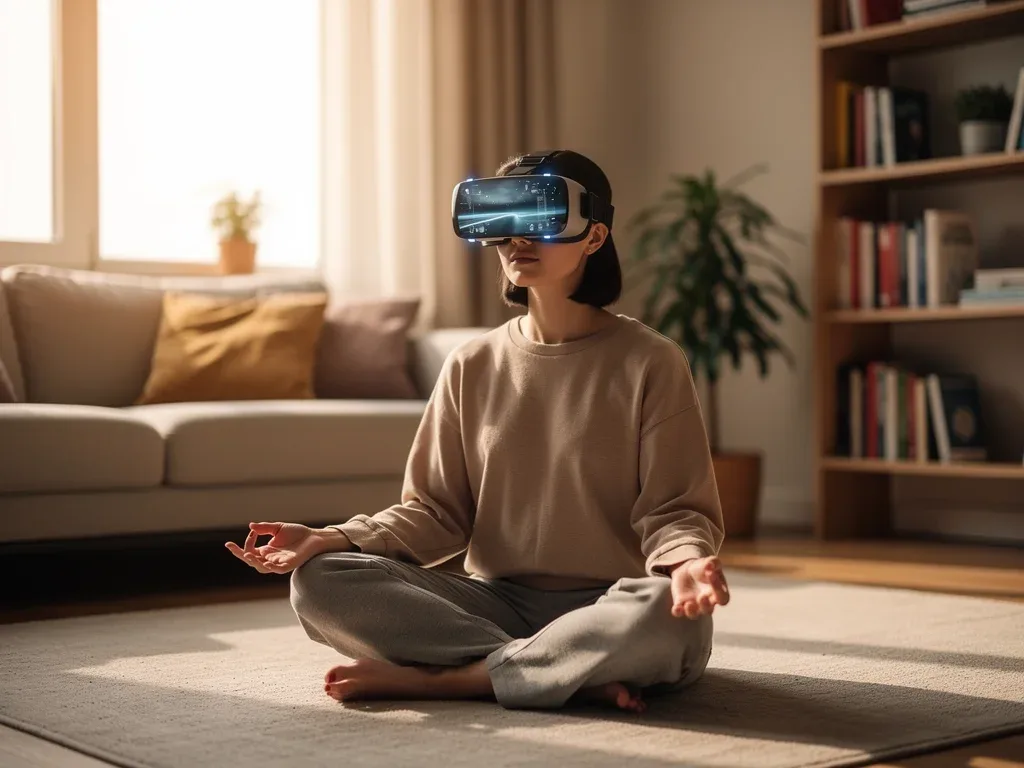
Digital platforms are revolutionizing how Americans engage with mindfulness, offering unprecedented levels of personalization and accessibility. Mobile applications, virtual reality experiences, and AI-driven coaching are tailoring practices to individual needs, making mindfulness more approachable for a wider audience.
These innovations address common barriers to entry, such as time constraints and lack of guidance, by providing on-demand sessions and progress tracking. The data collected through these platforms also offers valuable insights into user engagement and the efficacy of different techniques.
The integration of technology is not just about convenience; it is about creating more adaptive and responsive mindfulness programs that can evolve with user feedback and scientific advancements, ensuring their continued relevance in fostering emotional well-being.

AI-Powered Mindfulness Coaches and Apps
- Personalized meditation scripts based on user data and emotional state.
- Real-time biofeedback integration to optimize mindfulness sessions.
- Interactive exercises designed to address specific stress triggers.
The advent of AI in mindfulness coaching represents a significant leap forward, moving beyond generic guided meditations to highly customized experiences. These intelligent systems can learn user preferences, track progress, and even anticipate emotional needs, offering proactive support.
This personalization ensures that individuals receive the most relevant and effective mindfulness practices, making the journey toward enhanced emotional well-being more efficient and engaging. The ethical implications of data privacy and algorithmic bias are also being actively addressed to ensure responsible development.
Mindfulness in the Workplace and Educational Settings
Mindfulness programs are increasingly being adopted in American workplaces and educational institutions, recognizing their potential to improve productivity, reduce burnout, and enhance overall mental health. Companies are investing in training and resources to support employee well-being, while schools are integrating mindfulness into curricula.
This institutional embrace highlights a broader understanding of the benefits of mindfulness beyond individual practice, viewing it as a tool for creating healthier and more resilient communities. The focus is on fostering environments where individuals can thrive emotionally and cognitively.
The implementation of these programs often involves structured workshops, dedicated quiet spaces, and access to digital mindfulness tools. The goal is to equip individuals with practical strategies to manage daily stressors and cultivate a more balanced perspective.
Corporate Wellness Initiatives
- Stress reduction workshops for employees.
- Access to premium mindfulness app subscriptions.
- Designated meditation rooms within office spaces.
Companies are reporting significant improvements in employee satisfaction and a reduction in stress-related absenteeism following the implementation of comprehensive mindfulness programs. These initiatives are seen as a strategic investment in human capital, contributing to a more engaged and productive workforce.
In educational settings, mindfulness helps students improve focus, regulate emotions, and reduce anxiety, leading to better academic performance and social-emotional development. Early exposure to mindfulness techniques can build a strong foundation for lifelong emotional well-being.
Community-Based Mindfulness and Social Connection
Beyond individual and institutional applications, community-based mindfulness initiatives are gaining traction across America, emphasizing the role of social connection in emotional well-being. These programs often take the form of group meditations, mindful movement classes, and shared contemplative practices in public spaces.
The communal aspect of these practices provides a sense of belonging and mutual support, counteracting feelings of isolation that can contribute to mental health challenges. They create accessible entry points for individuals who may not otherwise seek out formal mindfulness training.
These grassroots movements are often volunteer-driven and designed to be inclusive, reaching underserved populations and fostering a collective commitment to mental wellness within neighborhoods and cities. This collaborative approach strengthens the fabric of communities.
The Role of Nature and Eco-Mindfulness
The connection between nature and emotional well-being is increasingly being recognized, leading to the rise of eco-mindfulness practices in 2026. This trend encourages individuals to engage with the natural world mindfully, fostering a deeper sense of connection and appreciation for the environment while simultaneously promoting inner peace.
Practices such as forest bathing, mindful walking in nature, and outdoor meditation are becoming popular alternatives to indoor sessions. The therapeutic benefits of natural settings, including reduced stress hormones and improved mood, are well-documented and contribute to this growing movement.
Eco-mindfulness also promotes environmental awareness and a sense of responsibility, linking personal well-being to planetary health. This holistic approach offers a powerful pathway for enhancing emotional well-being in America.
Integrating Nature into Daily Practice
- Mindful walks in local parks or green spaces.
- Spending time observing natural elements like trees or water.
- Gardening as a form of active meditation.
The accessibility of natural spaces, even in urban environments, makes eco-mindfulness a viable option for many. Urban planners are also incorporating green spaces into city designs, recognizing their importance for public health and mental well-being.
This trend underscores a return to foundational principles, reminding us that our emotional state is deeply intertwined with our environment. Embracing nature offers a simple yet profound way to cultivate calm and clarity amidst the complexities of modern life.
Challenges and Opportunities in Mindfulness Adoption
Despite the widespread enthusiasm for mindfulness, challenges remain in ensuring equitable access and effective integration across all societal segments. Issues such as cost, cultural relevance, and the need for qualified instructors continue to be areas of focus for improvement.
However, these challenges also present significant opportunities for innovation and expansion. Developing culturally sensitive programs, leveraging technology for wider reach, and advocating for policy support are key areas where progress can be made.
The goal is to create a more inclusive and robust mindfulness ecosystem that truly serves the diverse needs of the American population, ensuring that the benefits of emotional well-being are accessible to all.
Addressing Accessibility Gaps
- Developing low-cost or free mindfulness resources.
- Creating culturally adapted programs for various communities.
- Training diverse instructors to meet population needs.
Efforts are underway to bridge the gap in access, particularly for marginalized communities and those in rural areas. Telehealth services and community partnerships are playing a crucial role in expanding the reach of mindfulness interventions.
The ongoing research into the neurobiological effects of mindfulness also continues to provide a strong scientific basis for its adoption, further solidifying its place within mainstream healthcare and wellness practices. This scientific validation is essential for overcoming skepticism and promoting wider acceptance.
Measuring Impact and Evidence-Based Mindfulness
As mindfulness practices become more prevalent, there is an increasing emphasis on rigorous scientific inquiry to measure their impact and establish evidence-based guidelines. Researchers are employing advanced methodologies, including neuroimaging and large-scale population studies, to quantify the benefits of mindfulness on emotional well-being.
This commitment to evidence ensures that practices are not only popular but also demonstrably effective, providing a solid foundation for their continued integration into healthcare and public health initiatives. The data helps to refine existing programs and develop new interventions.
The push for evidence-based mindfulness also addresses concerns about unsubstantiated claims, promoting a more critical and informed approach to adoption. This scientific rigor is vital for maintaining public trust and ensuring responsible growth of the field.
Key Research Areas
- Longitudinal studies on mindfulness and mental health outcomes.
- Neuroimaging to understand brain changes associated with practice.
- Comparative effectiveness research of different mindfulness interventions.
The findings from these studies are instrumental in informing best practices, guiding policy decisions, and educating the public about the true potential of mindfulness. This scientific validation helps to destigmatize mental health discussions and promote proactive well-being strategies.
The integration of research into practice creates a feedback loop, allowing for continuous improvement and adaptation of mindfulness programs. This dynamic approach ensures that mindfulness remains a relevant and effective tool for enhancing emotional well-being.
Future Outlook: Predictive Trends for Mindfulness in 2026 and Beyond
Looking ahead, several predictive trends are poised to shape the future of mindfulness in America beyond 2026. These include further integration with personalized medicine, a stronger emphasis on preventative mental health, and the emergence of hybrid models combining digital and in-person practices.
The focus will likely shift towards more bespoke mindfulness prescriptions, where interventions are tailored not just to individual preferences but also to genetic predispositions and specific health profiles. This precision approach promises even greater efficacy in promoting emotional well-being.
Furthermore, mindfulness is expected to play a more central role in preventative healthcare, with early intervention programs becoming standard in schools and workplaces. This proactive stance aims to build resilience before mental health challenges escalate.
Ethical Considerations and Responsible Mindfulness Practices
As mindfulness continues to expand, ethical considerations surrounding its implementation and commercialization are gaining prominence. Ensuring responsible practices, addressing potential adverse effects, and maintaining the integrity of mindfulness principles are critical for sustainable growth.
Discussions around qualified instruction, appropriate contexts for practice, and the avoidance of over-commercialization are essential. The goal is to safeguard the authenticity and effectiveness of mindfulness as a tool for genuine emotional well-being.
Establishing clear ethical guidelines and professional standards will be vital in navigating the complexities of a rapidly evolving field. This proactive approach helps to build trust and ensures that mindfulness remains a beneficial resource for all.
| Key Trend | Description |
|---|---|
| Digital Integration | Personalized apps and VR experiences making mindfulness accessible. |
| Workplace & Education | Increased adoption of mindfulness programs in professional and academic settings. |
| Community Focus | Rise of group practices and social connection for collective well-being. |
| Eco-Mindfulness | Connecting with nature for enhanced mental and emotional health. |
Frequently Asked Questions About Mindfulness Trends
What are the most significant mindfulness trends for 2026?▼The most significant trends include advanced digital integration with AI, wider adoption in corporate and educational settings, and a growing emphasis on community-based and eco-mindfulness practices. These shifts aim to make mindfulness more personalized and accessible.
How is technology impacting mindfulness practices?▼Technology is making mindfulness more personalized and accessible through AI-powered apps, virtual reality experiences, and biofeedback integration. These tools tailor practices to individual needs, track progress, and offer on-demand sessions, overcoming traditional barriers to entry.
Why is mindfulness gaining traction in workplaces and schools?▼Mindfulness is gaining traction due to its proven benefits in reducing stress, improving focus, and enhancing emotional regulation. Organizations recognize its potential to boost productivity, reduce burnout, and create healthier, more supportive environments for employees and students.
What is eco-mindfulness and why is it important?▼Eco-mindfulness involves engaging with nature mindfully, through practices like forest bathing or mindful walking. It is important because it leverages the therapeutic benefits of natural environments for stress reduction and emotional well-being, while also fostering environmental awareness.
What challenges does the mindfulness movement face in America?▼Challenges include ensuring equitable access across diverse populations, addressing the cost of programs, and maintaining cultural relevance. There is also a need for qualified instructors and rigorous evidence to support claims, alongside ethical considerations in commercialization.
Looking Ahead
The analysis of Understanding the Latest Trends in Mindfulness: A 2026 Analysis for Enhanced Emotional Well-being in America reveals a dynamic field focused on accessibility and proven efficacy. It is crucial to monitor ongoing developments in digital integration, community initiatives, and scientific validation. These evolving trends will continue to redefine how Americans approach mental health and cultivate emotional resilience in the years to come, emphasizing a holistic and inclusive approach to well-being.