Intuitive Stretching vs Traditional Yoga: 15-Minute Daily Comparison
Advertisements
The comparison of Intuitive Stretching vs Traditional Yoga highlights two different approaches to joint mobility, flexibility, and physical well-being that can be incorporated into a practical 15-minute daily movement routine.
Understanding Intuitive Stretching vs Traditional Yoga can help individuals choose a daily movement practice that supports joint mobility, physical comfort, flexibility, and overall well-being.
While intuitive stretching emphasizes personalized movements based on individual physical sensations, traditional yoga generally incorporates established postures, breathing techniques, and structured approaches to physical activity.
This guide compares both practices, explores their potential benefits, and presents accessible examples of 15-minute routines that can be adapted to different physical needs and experience levels.
Understanding Intuitive Stretching: A Personalized Approach
Intuitive stretching is an approach to physical movement that encourages individuals to explore comfortable positions and adjust their activities according to their current physical sensations.
In the comparison of Intuitive Stretching vs Traditional Yoga, intuitive movement generally provides greater freedom to modify exercises without following a predetermined sequence of specific postures.
This flexibility allows individuals to focus on areas experiencing mild stiffness or muscular tension while respecting their physical limitations and avoiding movements that produce discomfort.
The Philosophy Behind Intuitive Movement
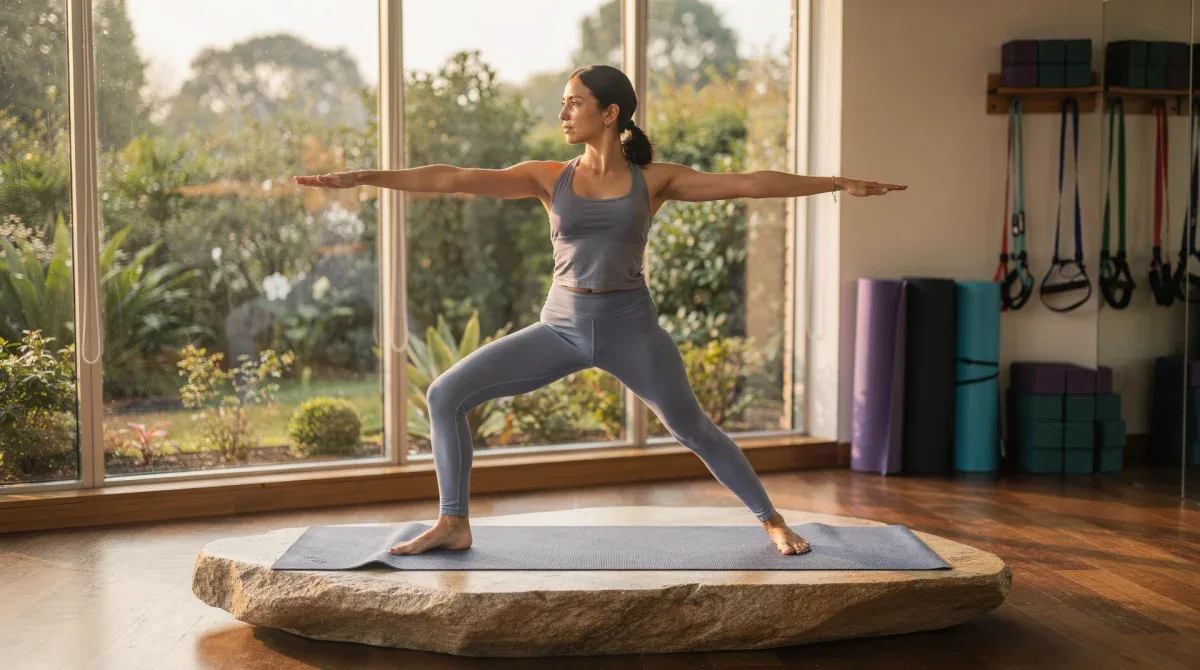
Intuitive movement encourages individuals to develop greater awareness of physical sensations, recognizing how different positions, movement patterns, and activity levels influence their everyday physical comfort.
Rather than pursuing specific flexibility targets, this approach emphasizes exploring manageable ranges of motion and adapting each movement according to individual preferences and physical capabilities.
When evaluating Intuitive Stretching vs Traditional Yoga, this personalized philosophy may appeal to individuals who prefer flexible movement routines without predetermined sequences or advanced physical requirements.
How Intuitive Stretching Supports Joint Mobility
Gentle stretching and controlled movements may help maintain available joint ranges of motion while reducing sensations of muscular stiffness associated with prolonged inactivity or repetitive activities.
Individuals can adapt their routines to focus on different body regions, including shoulders, hips, ankles, and other areas involved in common daily activities and movement patterns.
However, intuitive stretching should not involve forcing painful movements or attempting to treat underlying joint conditions without appropriate evaluation from a qualified healthcare professional.
Traditional Yoga: Structure, Discipline, and Ancient Wisdom
Traditional yoga originated within Indian philosophical and spiritual traditions, incorporating physical postures, breathing practices, meditation, and other principles that support broader approaches to personal well-being.
Many contemporary yoga practices use established sequences that combine flexibility, muscular engagement, balance, and controlled breathing within an organized framework suitable for different experience levels.
The comparison of Intuitive Stretching vs Traditional Yoga highlights how structured movement can provide consistency while encouraging individuals to develop physical awareness through repeated practice.
Key Principles of Traditional Yoga Practice
Physical postures, controlled breathing, and mindful attention represent important components of many yoga styles, although their relative emphasis varies considerably between different schools and teaching methods.
Practitioners may gradually develop familiarity with foundational postures, learning how to adjust movements and maintain comfortable positions according to their individual strength and flexibility levels.
Traditional yoga does not necessarily require rigid adherence to a sequence, since qualified instructors can modify practices to accommodate physical limitations and individual movement capabilities.
How Yoga Supports Flexibility and Physical Stability
Yoga postures can combine stretching with muscular engagement, encouraging individuals to develop flexibility while practicing controlled movement and stability across different physical positions.
Research summarized by the National Institutes of Health discusses potential health benefits of yoga, including improvements in balance, general well-being, and certain physical symptoms, although findings vary between studies.
When comparing Intuitive Stretching vs Traditional Yoga, individuals should recognize that yoga encompasses different activity levels, ranging from gentle relaxation practices to physically demanding movement sequences.
Intuitive Stretching vs Traditional Yoga: The 15-Minute Daily Comparison
A fifteen-minute daily movement session provides a manageable opportunity to practice flexibility exercises, develop physical awareness, and incorporate regular activity into a busy personal schedule.
The comparison of Intuitive Stretching vs Traditional Yoga becomes particularly practical within this timeframe because both approaches can be adapted to relatively short and accessible routines.
However, fifteen minutes represents a suggested practice duration rather than a scientifically established threshold that guarantees measurable improvements in joint mobility for every individual.
A 15-Minute Intuitive Stretching Routine
Begin with three minutes of comfortable walking in place or gentle arm movements, allowing your body to gradually prepare for additional physical activity without unnecessary strain.
Spend the next nine minutes exploring gentle shoulder movements, comfortable hip rotations, ankle motions, and other stretches that correspond to your current physical needs.
Finish with three minutes of slower movements and relaxed breathing, noticing how your body feels while avoiding positions that create sharp pain or unusual discomfort.
A 15-Minute Traditional Yoga Routine
Begin with three minutes of relaxed breathing and gentle seated or standing movements, establishing a comfortable rhythm while preparing for the main portion of the practice.
Dedicate approximately nine minutes to familiar beginner-friendly postures, such as mountain pose, supported standing stretches, and other gentle positions appropriate for your current physical capabilities.
Complete the remaining three minutes with a comfortable resting position and relaxed breathing, allowing your body to transition gradually away from the more active movements.
Comparing the Structure of Both Daily Routines
Intuitive stretching provides greater freedom to change movements throughout a session, while a structured yoga routine can help participants establish familiar patterns and monitor their progress.
Both approaches can accommodate short practice periods, although their physical intensity and movement requirements depend on the exercises selected and the individual performing them.
The most appropriate choice within Intuitive Stretching vs Traditional Yoga depends on whether flexibility, structured guidance, accessibility, or physical consistency represents the individual's main priority.
Benefits for Joint Mobility: A Closer Look
Joint mobility refers to the ability to move a joint through its available range with appropriate control, depending on factors such as anatomy, flexibility, and muscular function.
Regular movement may support physical function, although the results associated with stretching and yoga depend on exercise selection, practice consistency, existing health conditions, and individual capabilities.
Comparing Intuitive Stretching vs Traditional Yoga helps identify different approaches to maintaining movement capacity without assuming that either practice independently addresses every aspect of joint health.
Potential Benefits of Intuitive Stretching
Intuitive stretching allows individuals to adjust their daily movement activities according to changing physical sensations, making it easier to avoid unnecessary strain during periods of fatigue.
This approach can provide an opportunity to interrupt prolonged inactivity, explore comfortable movements, and gradually become more familiar with individual physical limitations and movement preferences.
Nevertheless, direct research on intuitive stretching as a standardized intervention is limited, making it inappropriate to guarantee superior mobility improvements compared with other established exercise methods.
Potential Benefits of Traditional Yoga
Yoga combines different physical activities that may support flexibility, balance, coordination, and muscular engagement when practiced appropriately within the individual's current level of physical ability.
Structured instruction may help participants learn movement techniques and identify appropriate modifications, particularly when unfamiliar postures require additional guidance or present difficulties for individual practitioners.
When considering Intuitive Stretching vs Traditional Yoga, the potential benefits of yoga should be evaluated according to its specific style, practice intensity, and individual physical requirements.
Understanding the Difference Between Mobility and Flexibility
Flexibility generally describes the ability of muscles and surrounding tissues to lengthen, while mobility involves the capacity to move joints through their available functional ranges.
Although these characteristics are closely related, improving flexibility does not necessarily produce equivalent improvements in active joint control, muscular strength, or functional movement capabilities.
Combining gentle stretching with appropriate strengthening and controlled movement may provide a more comprehensive approach to physical function than concentrating exclusively on increasing flexibility.
Joint Mobility Exercises for Different Body Areas
Different joints perform different functions, making it important to select movements that correspond to their natural anatomical characteristics and the activities performed throughout daily life.
Both approaches within Intuitive Stretching vs Traditional Yoga can incorporate exercises involving shoulders, hips, ankles, and other areas commonly affected by prolonged sitting or inactivity.
Movement selection should prioritize comfort and control rather than attempting to achieve extreme ranges that may be inappropriate for existing physical conditions or individual anatomical characteristics.
Shoulder and Upper Body Mobility
Gentle shoulder rolls and controlled arm movements can provide accessible opportunities to explore upper body mobility, particularly after spending extended periods working at a desk.
Practicing these movements slowly allows individuals to notice differences between comfortable movement and positions that create excessive tension or discomfort around the shoulders and upper back.
Yoga may incorporate supported upper body postures, while intuitive stretching allows participants to adjust arm positions and movement patterns according to their current physical comfort.
Hip Mobility and Lower Body Movement
Comfortable hip movements can be incorporated into daily routines through supported standing exercises, gentle seated movements, and other positions appropriate for individual balance and flexibility.
Individuals should avoid forcing their hips into unfamiliar positions, particularly when existing injuries, joint conditions, or previous surgical procedures may influence their available movement range.
The comparison of Intuitive Stretching vs Traditional Yoga highlights different ways to approach lower body movement while maintaining realistic expectations concerning individual physical progress.
Ankle Mobility and Everyday Balance
Controlled ankle movements and gentle heel raises performed with appropriate support can help individuals practice motions associated with walking, standing, and other everyday physical activities.
These exercises can be adapted to seated or standing positions, depending on individual balance capabilities, physical limitations, and the availability of a stable supporting surface.
Maintaining comfortable movement patterns is particularly important when practicing without professional supervision, especially for individuals experiencing instability or recovering from previous lower extremity injuries.
Accessibility and Adaptability for Daily Routines
Both intuitive stretching and traditional yoga can be incorporated into relatively short daily sessions, making them practical options for individuals managing busy work and personal schedules.
Intuitive Stretching vs Traditional Yoga also involves differences in learning requirements, available instructional resources, physical intensity, and the degree of structure preferred by individual participants.
Choosing exercises that match personal capabilities can help establish a more enjoyable routine while avoiding unnecessary pressure to achieve specific postures or flexibility milestones.
Which Practice Is More Accessible for Beginners?
Intuitive stretching may appeal to beginners because it allows considerable flexibility when selecting movements and does not require familiarity with established yoga terminology or formal sequences.
However, beginners may also benefit from structured professional instruction, particularly when they are unfamiliar with safe movement techniques or uncertain about their individual physical limitations.
When exploring Intuitive Stretching vs Traditional Yoga, accessibility depends on personal circumstances, instructional preferences, movement experience, and the availability of appropriate guidance.
Adapting Exercises for Limited Mobility
Individuals with restricted mobility may benefit from appropriately modified activities that reduce physical demands while encouraging comfortable movement within their available joint ranges.
Stable chairs, supportive surfaces, and suitable exercise modifications can provide practical assistance, although the appropriateness of specific adjustments depends on individual health conditions.
People experiencing significant mobility restrictions, persistent joint symptoms, or ongoing medical treatment should seek individualized recommendations before beginning unfamiliar stretching or yoga routines.
Mental and Emotional Impact Beyond Physical Gains
Mindful physical activity may provide opportunities to focus attention, establish regular personal routines, and temporarily step away from stressful responsibilities associated with everyday life.
The comparison of Intuitive Stretching vs Traditional Yoga therefore extends beyond physical movement, encompassing individual preferences for relaxation, concentration, breathing exercises, and personal awareness.
Although both approaches may contribute to general well-being, their emotional effects differ between individuals and should not be presented as guaranteed treatments for psychological conditions.
Body Awareness Through Intuitive Stretching
Intuitive stretching encourages individuals to notice their physical sensations and adjust movement intensity, potentially creating a more attentive and personalized approach to everyday physical activity.
Taking time to move without pursuing demanding performance objectives may help some participants establish a calmer routine that reflects their physical condition and personal preferences.
This emphasis on body awareness can support the development of comfortable movement habits without requiring individuals to achieve unfamiliar postures or compare their flexibility with others.
Breathing and Relaxation Through Traditional Yoga
Many yoga practices incorporate breathing exercises and mindful attention, providing opportunities to develop relaxation habits alongside physical movement and other aspects of personal well-being.
These activities may complement practices that support emotional balance, especially when individuals establish manageable routines that fit comfortably within their daily responsibilities and personal circumstances.
Regular moments of relaxation may also contribute to a sense of inner peace, although emotional experiences vary and should not replace appropriate mental health support.
Choosing Your Path: Factors to Consider
Choosing between intuitive stretching and traditional yoga requires evaluating personal preferences, physical capabilities, existing health conditions, available time, and individual objectives associated with regular movement.
Intuitive Stretching vs Traditional Yoga offers distinct approaches that may appeal to different individuals, particularly those who prefer either flexible exploration or established instructional frameworks.
Experimenting with appropriate beginner-friendly variations of both practices can help identify routines that feel comfortable, manageable, and compatible with long-term personal movement habits.
Identifying Your Personal Mobility Goals
Personal movement goals may include reducing sensations of stiffness after prolonged sitting, improving comfortable ranges of motion, developing balance, or establishing more consistent exercise habits.
Identifying these priorities can help individuals choose exercises that reflect their actual needs rather than pursuing generalized flexibility objectives that may not support everyday activities.
People with specific rehabilitation goals should obtain appropriate professional guidance, since general wellness routines may not address the underlying causes of restricted or painful movement.
Choosing Between Structure and Movement Freedom
Individuals who enjoy predictable routines may prefer structured yoga sessions because familiar sequences can make daily practice easier to organize and follow consistently.
Those who prefer adjusting exercises according to changing physical sensations may find intuitive stretching more compatible with their personal movement habits and daily schedules.
Neither preference is inherently superior, making individual enjoyment and suitability important considerations when evaluating Intuitive Stretching vs Traditional Yoga for regular physical activity.
Integrating Both Practices Into a Daily Routine
Combining intuitive stretching with traditional yoga can provide a varied movement experience that incorporates personalized exploration alongside familiar postures and established relaxation techniques.
This hybrid approach allows individuals to adjust selected movements according to their current physical capabilities while maintaining elements of structure that support routine development.
Integrating both activities may complement a broader self-care strategy, provided exercises remain appropriate for individual health circumstances and realistic physical activity objectives.
A Combined 15-Minute Movement Routine
Begin with five minutes of gentle intuitive movement, allowing your body to explore comfortable motions involving areas that naturally feel stiff or less mobile.
Continue with seven minutes of familiar beginner-friendly yoga postures, selecting exercises that match your experience level and avoiding positions that require unfamiliar or unsupported physical demands.
Finish with three minutes of comfortable resting movements and relaxed breathing, creating a gradual transition between physical activity and the remaining responsibilities of your daily schedule.
Alternating Practices Throughout the Week
Another approach involves practicing intuitive stretching on selected days and following gentle yoga routines on others, creating variety without substantially increasing the required daily time commitment.
This arrangement may help individuals explore different movement experiences while identifying which exercises feel most appropriate under changing physical conditions and personal circumstances.
The flexibility of combining approaches within Intuitive Stretching vs Traditional Yoga allows participants to develop routines that remain manageable without requiring identical activities every day.
Safety Considerations for Stretching and Yoga
Physical movement practices should prioritize personal safety, comfortable exercise intensity, controlled movement patterns, and awareness of symptoms that may indicate an unsuitable activity.
Both stretching and yoga can cause injuries when movements are forced, repeated excessively, or performed in ways that are incompatible with individual physical conditions.
Safety considerations remain essential when comparing Intuitive Stretching vs Traditional Yoga, particularly for beginners and individuals experiencing existing joint, muscular, or balance-related difficulties.
Avoiding Excessive Stretching and Uncomfortable Positions
Gentle muscular tension may occur during stretching, but sharp pain, numbness, unusual weakness, or joint instability should not be treated as normal indicators of progress.
Avoid forcing joints beyond comfortable ranges or using momentum to increase flexibility, especially when practicing movements that are unfamiliar or difficult to control independently.
Stop exercises that produce concerning symptoms and seek appropriate professional advice if discomfort persists, worsens, or interferes with normal activities following a movement session.
When to Seek Professional Guidance
Individuals recovering from injuries, managing chronic joint conditions, or experiencing unexplained movement limitations may require personalized recommendations before participating in unfamiliar physical activity routines.
Pregnant individuals, older adults with balance difficulties, and people with relevant medical conditions should discuss appropriate exercise modifications with qualified healthcare professionals and instructors.
General wellness activities should not replace medical evaluation, prescribed rehabilitation, or individualized treatment for conditions that require specialized healthcare management and professional monitoring.
How to Monitor Your Joint Mobility Progress
Monitoring everyday physical experiences can help individuals understand whether their selected movement routine remains comfortable, manageable, and compatible with their personal wellness objectives.
Rather than expecting immediate or dramatic flexibility improvements, focus on gradual changes in movement comfort, consistency, and the ability to perform familiar daily activities.
The effectiveness of Intuitive Stretching vs Traditional Yoga should be evaluated through personal responses and appropriate professional assessments rather than unrealistic comparisons with other practitioners.
Tracking Daily Movement and Physical Comfort
A simple movement journal can help individuals record completed exercises, session duration, perceived stiffness, physical comfort, and any difficulties experienced before or after practicing.
Reviewing these observations over several weeks may reveal patterns that help identify which movements feel appropriate and which activities require adjustments or additional professional guidance.
However, self-reported improvements should not be interpreted as evidence that an underlying joint condition has resolved or that medical treatment is no longer necessary.
Building Sustainable Daily Movement Habits
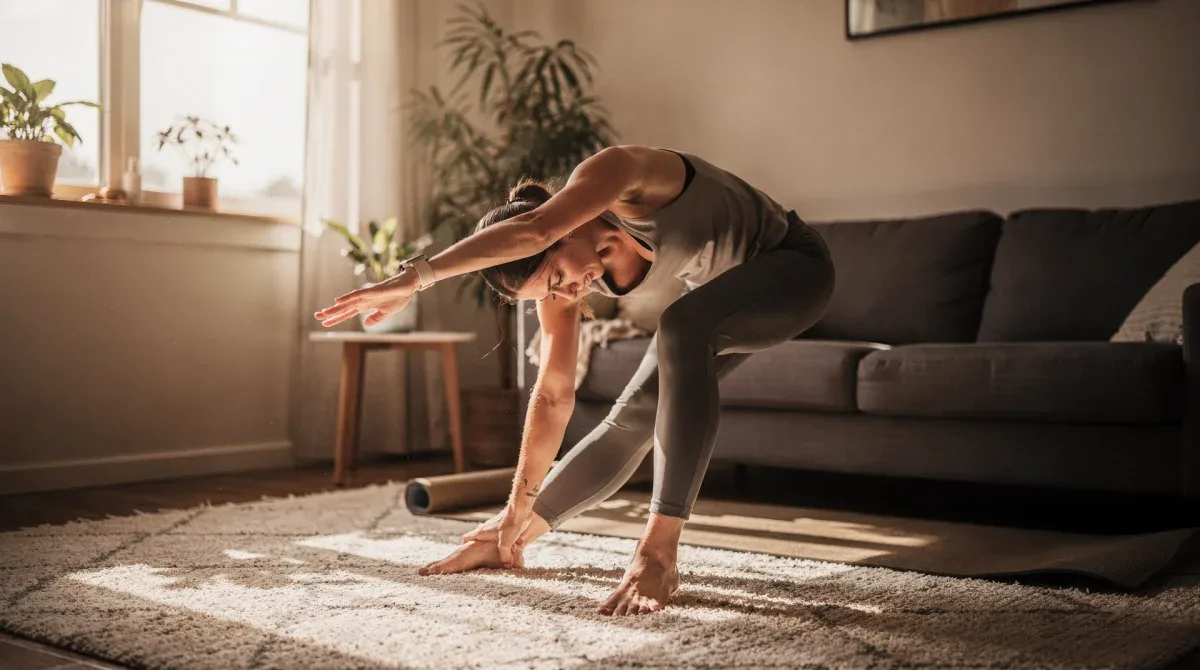
Consistency becomes easier when movement routines fit naturally into existing daily schedules, such as after waking, during work breaks, or before beginning evening relaxation activities.
Starting with manageable exercises can reduce unnecessary pressure, allowing participants to gradually develop familiarity with their selected routines while respecting changing physical capabilities.
Maintaining an enjoyable approach may support long-term participation, although stretching and yoga should complement other appropriate forms of physical activity rather than replace them entirely.
Key Differences Between Intuitive Stretching and Traditional Yoga
Both practices provide opportunities to explore physical movement, although their approaches differ in structure, instructional requirements, exercise selection, breathing techniques, and individual adaptation.
The comparison of Intuitive Stretching vs Traditional Yoga becomes more meaningful when considering personal preferences alongside available scientific evidence, physical limitations, and realistic movement objectives.
The following table summarizes important differences and practical considerations that may help individuals choose an appropriate approach for their fifteen-minute daily movement routine.
Key Point | Intuitive Stretching | Traditional Yoga |
|---|---|---|
Primary Approach | Personalized movement guided by current physical sensations. | Established postures, breathing techniques, and mindful practices. |
Routine Structure | Flexible and adaptable according to individual preferences. | Generally structured, although flexibility varies between yoga styles. |
15-Minute Practice | Can focus on selected areas and comfortable movement patterns. | Can incorporate a short sequence of appropriate beginner-friendly postures. |
Joint Mobility Goals | Exploration of comfortable ranges and personalized movement needs. | Development of flexibility, physical control, and balance through selected exercises. |
Scientific Evidence | Limited direct research on intuitive stretching as a standardized practice. | Existing scientific research, with findings varying between populations and yoga styles. |
Mental Well-Being | May encourage personal awareness and comfortable relaxation habits. | May support stress management through movement, breathing, and mindful attention. |
Equipment Requirements | Generally minimal, depending on selected exercises. | May involve an exercise mat, chair, or other appropriate support equipment. |
Beginner Considerations | Freedom to choose movements, but safe execution remains important. | Qualified instruction and appropriate modifications can support beginners. |
Safety Considerations | Avoid forced movements, painful stretches, and inappropriate exercise intensity. | Avoid unsuitable postures and choose practices compatible with individual abilities. |
Frequently Asked Questions About Daily Mobility Practices
What is the main difference between intuitive stretching and traditional yoga?
Intuitive stretching emphasizes flexible, personalized movements based on current physical sensations. Traditional yoga generally incorporates established postures, breathing techniques, and other practices within structured or partially structured routines.
Can 15 minutes a day make a difference for joint mobility?
Short, consistent movement sessions may support flexibility, physical awareness, and comfortable movement. However, individual results depend on exercise selection, practice frequency, existing health conditions, and other physical activity habits.
Which practice is better for beginners?
Intuitive stretching may appeal to individuals who prefer simple, adaptable movements, while beginner-friendly yoga can provide valuable structure and professional instruction. The appropriate choice depends on personal preferences and physical capabilities.
Can I combine intuitive stretching and traditional yoga?
Yes. Combining gentle intuitive movements with familiar yoga postures can create a varied daily routine. Exercises should remain comfortable and appropriate for individual physical limitations.
What are the potential mental benefits of each practice?
Intuitive stretching may encourage body awareness and relaxation, while yoga often combines movement with breathing and mindful attention. Both can complement general wellness habits, although emotional responses vary between individuals.
Which approach is better for improving joint mobility?
There is insufficient direct evidence establishing that intuitive stretching is consistently superior or inferior to traditional yoga. The appropriate choice depends on the individual's physical condition, selected exercises, and personal movement goals.
Can I practice intuitive stretching every day?
Many healthy individuals can incorporate gentle stretching into daily routines. However, exercise intensity should remain appropriate, and movements that cause persistent discomfort or concerning symptoms should be avoided.
Is traditional yoga suitable for people with joint pain?
Some modified yoga practices may be appropriate for individuals with certain joint conditions. However, people experiencing persistent pain or existing injuries should seek personalized guidance before beginning unfamiliar exercises.
Do I need equipment for a 15-minute mobility routine?
Not necessarily. Many gentle movement exercises can be performed without specialized equipment. An exercise mat, stable chair, or other suitable support may improve comfort and accessibility for selected activities.
How long does it take to notice improvements in mobility?
Some individuals may notice temporary changes in movement comfort after a session, while longer-term improvements may require consistent practice over several weeks or months. Results vary according to individual circumstances.
Should stretching exercises cause pain?
No. Mild muscular tension may occur, but sharp pain, numbness, or unusual joint discomfort indicates that the movement should be stopped or adjusted. Persistent symptoms should receive appropriate professional evaluation.
Can stretching and yoga replace strength training?
Not entirely. Some yoga styles involve muscular engagement, but general stretching routines do not necessarily provide sufficient progressive resistance. Appropriate strengthening activities remain important for broader physical fitness and functional mobility.
Conclusion: Intuitive Stretching vs Traditional Yoga for Joint Mobility
The comparison of Intuitive Stretching vs Traditional Yoga demonstrates how personalized movement and structured practices can provide different opportunities to support comfortable physical activity and general well-being.
A fifteen-minute daily routine can offer a manageable starting point, provided individuals select appropriate exercises, respect their physical limitations, and maintain realistic expectations regarding potential improvements.
By choosing an enjoyable practice or combining suitable elements from both approaches, individuals can develop sustainable movement habits that complement broader physical activity and long-term wellness objectives.