Fitness Trends 2026: US Expert Recommendations & Updates
Advertisements
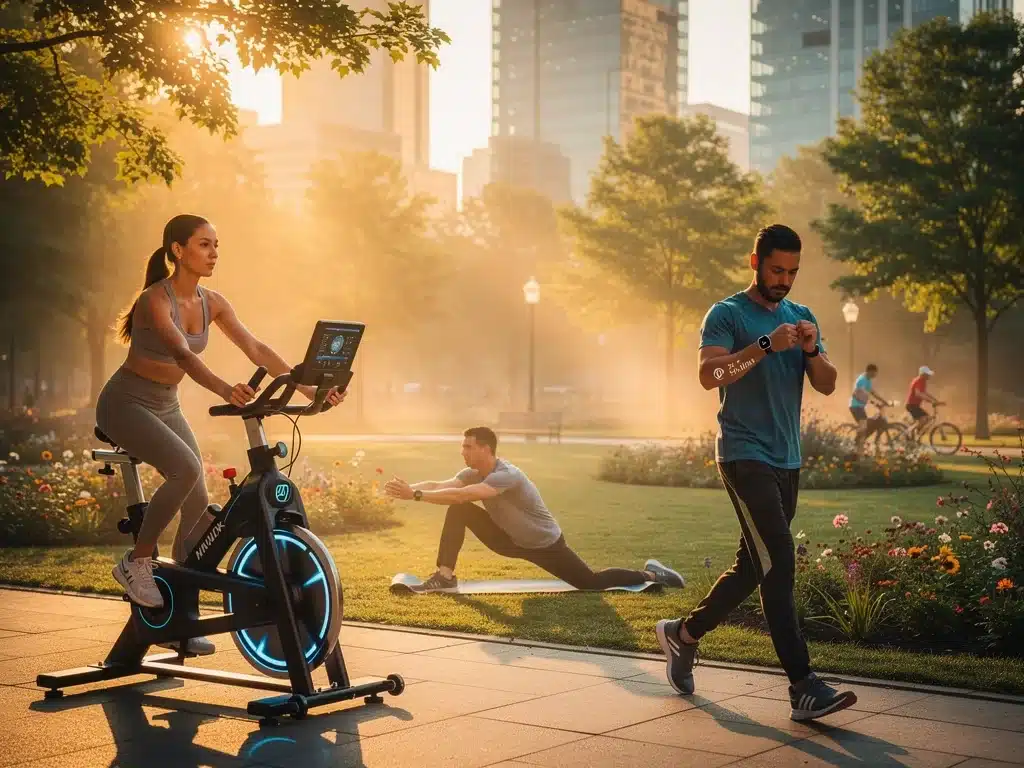
US health experts project that 2026 fitness trends will emphasize personalized, tech-integrated, and holistically sustainable approaches, moving beyond traditional exercise to encompass mental well-being and environmental consciousness.
As we navigate a rapidly evolving health landscape, understanding the latest in fitness trends: what US health experts are recommending for 2026 (RECENT UPDATES) becomes paramount for anyone committed to their well-being. The fitness world is dynamic, constantly adapting to new scientific discoveries, technological advancements, and shifting societal needs. This article delves into the insights from leading US health professionals, offering a comprehensive look at what will define our approach to physical and mental health in the coming year.
Advertisements
The Rise of Personalized Wellness Journeys
The days of one-size-fits-all fitness regimens are steadily fading. US health experts for 2026 are strongly advocating for highly personalized wellness journeys. This shift recognizes that each individual’s body, lifestyle, and health goals are unique, demanding tailored approaches rather than generic programs.
Personalization extends beyond just exercise routines; it encompasses nutrition, recovery, mental health, and even genetic predispositions. This holistic view ensures that fitness plans are not only effective but also sustainable and enjoyable for the long term.
Genetic and Biometric Data Integration
One of the most exciting aspects of personalized fitness is the increasing integration of genetic and biometric data. Understanding how your body responds to different types of exercise and diet can unlock unprecedented levels of optimization.
- DNA-based Diet Plans: Tailoring nutritional intake based on genetic markers for nutrient absorption and metabolism.
- Biometric Feedback: Using real-time data from wearables to adjust workout intensity and recovery protocols.
- Microbiome Analysis: Exploring gut health to inform dietary choices and overall well-being.
The ability to harness this wealth of personal data allows for precision in fitness that was previously unimaginable. It empowers individuals to make informed choices that are directly aligned with their biological makeup.
Customized Coaching and Digital Platforms
The demand for customized coaching is driving innovation in digital platforms. AI-powered apps and virtual trainers are becoming more sophisticated, offering bespoke workout plans, dietary guidance, and even behavioral change support.
These platforms often leverage machine learning to adapt recommendations based on user progress and feedback, creating a truly dynamic and responsive fitness experience. The accessibility of such tools means that personalized guidance is no longer exclusive to elite athletes but available to a broader audience.
In essence, the future of fitness is deeply personal. By focusing on individual needs and leveraging cutting-edge data, we can create more effective, enjoyable, and sustainable paths to optimal health. This foundational trend underpins many of the other recommendations from US health experts for 2026.
Technology’s Integral Role in Health & Fitness
Technology continues its relentless march into every aspect of our lives, and fitness is no exception. For 2026, US health experts foresee an even deeper integration of technological solutions, moving beyond simple step counting to comprehensive health management and immersive experiences. This evolution is making fitness more accessible, engaging, and measurable than ever before.
The widespread adoption of smart devices and advanced analytics is transforming how we approach physical activity, recovery, and overall wellness, providing insights that were once only available in clinical settings.
Advanced Wearables and Health Monitoring
Wearable technology is evolving rapidly, offering more than just basic activity tracking. The next generation of devices will provide sophisticated health monitoring, detecting early signs of illness and offering proactive health advice.
- Continuous Glucose Monitoring (CGM): Moving beyond diabetes management to optimize diet for energy and performance.
- Advanced Sleep Tracking: Deeper insights into sleep stages, quality, and personalized recommendations for improvement.
- Stress and HRV Monitoring: Real-time feedback on stress levels and heart rate variability to guide recovery and mindfulness practices.
These devices are becoming essential tools for preventive health, allowing individuals to take a more active role in managing their own well-being and making data-driven decisions about their lifestyle.
Immersive Fitness Experiences and Gamification
To combat workout monotony, immersive fitness experiences are gaining traction. Virtual reality (VR) and augmented reality (AR) are being integrated into exercise, transforming mundane routines into exciting adventures.
Gamification is another powerful trend, turning fitness goals into challenges with rewards, leaderboards, and social interaction. This approach taps into our innate desire for achievement and competition, making exercise more compelling.
From virtual cycling tours through exotic landscapes to AR-enhanced strength training, technology is creating novel ways to engage with fitness. These innovations are particularly appealing to younger demographics but are increasingly adopted across all age groups looking for more dynamic and entertaining ways to stay active.
Ultimately, technology in fitness is about empowerment. It provides the tools and data necessary for individuals to understand their bodies better, stay motivated, and achieve their health goals with greater efficiency and enjoyment. The seamless integration of these technologies will be a hallmark of fitness in 2026.
Mind-Body Connection: Holistic Approaches to Wellness
Recognizing that true health encompasses more than just physical prowess, US health experts are increasingly emphasizing the mind-body connection as a core component of fitness for 2026. This holistic approach acknowledges the intricate relationship between our mental, emotional, and physical states, advocating for practices that nurture all aspects of well-being.
Stress, anxiety, and mental fatigue can significantly impact physical health and fitness progress. Therefore, integrating practices that enhance mental resilience and emotional balance is no longer optional but essential for a comprehensive wellness strategy.
Mindfulness and Meditation in Daily Routines
Mindfulness and meditation are moving from niche practices to mainstream fitness recommendations. These techniques are recognized for their ability to reduce stress, improve focus, and enhance overall mental clarity, which in turn positively impacts physical performance and recovery.
- Guided Meditation Apps: Easy access to various meditation styles for stress reduction and improved sleep.
- Mindful Movement: Integrating awareness into activities like yoga, Pilates, and even walking to enhance the experience.
- Breathwork Sessions: Using controlled breathing techniques to regulate the nervous system and manage anxiety.
The goal is to cultivate a greater sense of presence and self-awareness, allowing individuals to better understand their body’s signals and respond with intention rather than reaction.
The Role of Rest and Recovery
Often overlooked, rest and recovery are now being prioritized as critical components of any fitness regimen. US health experts highlight that without adequate recovery, the body cannot adapt, repair, and grow stronger, leading to plateaus or even injury.
This includes not only sufficient sleep but also active recovery strategies such as stretching, foam rolling, massage, and even specialized recovery technologies like cryotherapy or infrared saunas.
The mind-body connection reinforces that stress management is integral to physical recovery, as chronic stress can impede the body’s ability to repair itself. Therefore, practices like meditation and adequate sleep are seen as foundational to maximizing physical gains and preventing burnout.
By embracing a holistic view, individuals can achieve a more balanced and sustainable state of health, where mental and physical well-being are mutually reinforcing. This integrated approach is critical for navigating the demands of modern life and fostering long-term vitality.
Functional Fitness and Longevity
The focus of fitness is shifting from purely aesthetic goals to functional capacity and longevity. US health experts for 2026 are emphasizing exercises that improve daily movement patterns, enhance quality of life, and support healthy aging. This approach ensures that fitness translates into practical benefits beyond the gym.
Functional fitness is about training the body for real-world activities, making it stronger, more agile, and resilient for the challenges of everyday life. This perspective is vital for maintaining independence and vitality as we age.
Movement-Based Training
Movement-based training involves exercises that mimic natural human movements, such as pushing, pulling, squatting, hinging, rotating, and carrying. These exercises often engage multiple muscle groups simultaneously, improving coordination, balance, and overall strength.
- Bodyweight Exercises: Utilizing one’s own body weight for resistance, making workouts accessible anywhere.
- Kettlebell Training: Dynamic movements that build strength, endurance, and power.
- Animal Flow: Ground-based movements that enhance mobility, flexibility, and body control.
The benefits extend to injury prevention, as these movements strengthen stabilizing muscles and improve joint health. The goal is to build a body that moves efficiently and without pain, regardless of age.
Longevity-Focused Exercise Programs
Programs designed with longevity in mind prioritize not just peak performance but also sustainable health over decades. This includes a balanced mix of cardiovascular health, strength training, flexibility, and balance exercises.
Experts recommend incorporating activities that support cardiovascular health, such as brisk walking, cycling, or swimming, alongside resistance training to maintain muscle mass and bone density, both crucial for healthy aging.
Furthermore, maintaining flexibility and balance through practices like yoga or tai chi helps prevent falls and preserves mobility. The emphasis is on consistency and moderation, building habits that can be sustained throughout a lifetime rather than intense, short-lived bursts of activity.
By prioritizing functional fitness and longevity, individuals can invest in a future where they remain active, independent, and capable of enjoying life to its fullest. This practical approach to fitness is gaining significant traction among those looking for sustainable health solutions.
Sustainable and Eco-Conscious Fitness Practices
As global awareness of environmental issues grows, the fitness industry is also responding with a move towards more sustainable and eco-conscious practices. For 2026, US health experts are highlighting the importance of integrating environmental considerations into our fitness choices, aligning personal well-being with planetary health.
This trend reflects a broader understanding that our health is intrinsically linked to the health of our environment. Choosing sustainable options not only reduces our carbon footprint but can also enhance the quality of our fitness activities.
Outdoor and Nature-Based Workouts
There’s a growing appreciation for exercising outdoors and connecting with nature. Activities like hiking, trail running, open-water swimming, and even outdoor yoga classes are gaining popularity. These workouts offer the dual benefits of physical activity and exposure to natural environments, which has proven mental health benefits.
- “Green Gyms”: Outdoor fitness spaces that utilize natural elements or eco-friendly equipment.
- Plogging: Combining jogging with picking up litter, a direct way to contribute to environmental clean-up.
- Eco-Tourism Fitness: Travel that combines physical activity with environmental conservation efforts.
Spending time in nature has been shown to reduce stress, improve mood, and boost cognitive function, making outdoor workouts a powerful tool for holistic well-being.
Ethical and Sustainable Fitness Products
Consumers are increasingly seeking out fitness products and apparel that are produced ethically and sustainably. This includes items made from recycled materials, organic fabrics, and those manufactured with minimal environmental impact.
From yoga mats made from natural rubber to athletic wear crafted from ocean plastics, the market for eco-friendly fitness gear is expanding. This trend also extends to gym facilities that implement energy-efficient practices, reduce waste, and use sustainable building materials.
By making conscious choices about the products we use and the places we train, we can contribute to a healthier planet while also supporting our personal fitness goals. This convergence of personal and environmental health is a significant recommendation from US health experts for the coming years.
Community and Social Connection in Fitness
Beyond individual pursuits, US health experts for 2026 are underscoring the vital role of community and social connection in fostering sustainable fitness habits. Human beings are inherently social creatures, and leveraging this aspect can significantly boost motivation, accountability, and overall enjoyment of physical activity.
The isolation experienced by many during recent years has highlighted the importance of social interaction for mental and physical well-being. Fitness can serve as a powerful conduit for building these essential connections.
Group Fitness and Shared Experiences
Group fitness classes, sports leagues, and shared outdoor activities are experiencing a resurgence. The energy of a collective workout, the camaraderie among participants, and the guidance of an instructor can make exercise more engaging and less daunting.
- Boutique Fitness Studios: Offering specialized, community-focused classes like cycling, barre, or high-intensity interval training (HIIT).
- Team Sports and Leagues: Providing a fun and competitive outlet for physical activity and social interaction.
- Outdoor Adventure Groups: Organizing hikes, runs, or cycling events that combine fitness with exploration and social bonding.
These shared experiences create a sense of belonging and provide a support system that can be crucial for adhering to a fitness routine. The social aspect often transforms exercise from a chore into a valued part of one’s lifestyle.
Virtual Communities and Challenges
Even in the digital realm, community thrives. Virtual fitness platforms and apps are increasingly incorporating social features, allowing users to connect with friends, join challenges, and share their progress.
Online fitness communities provide a flexible way to stay motivated and accountable, especially for those with busy schedules or limited access to physical group settings. These platforms often host virtual challenges, fostering healthy competition and mutual encouragement.
The blend of in-person and virtual community options means there are more ways than ever to find a supportive network for your fitness journey. US health experts recognize that this social dimension is a powerful, often underestimated, factor in achieving long-term health and wellness.
Nutrition as a Foundation for Performance and Health
While often discussed separately, nutrition is unequivocally recognized by US health experts for 2026 as the foundational pillar supporting all fitness endeavors and overall health. It’s not merely about fueling workouts but about optimizing bodily functions, enhancing recovery, and preventing disease. The current emphasis moves beyond restrictive diets to sustainable, nutrient-dense eating patterns.
Understanding the intricate relationship between what we eat and how our bodies perform and recover is crucial. Nutrition is not a standalone component but an integrated part of a holistic wellness strategy.
Whole Foods and Plant-Forward Diets
The recommendation for whole, unprocessed foods remains constant and is amplified for 2026. Experts advocate for diets rich in fruits, vegetables, whole grains, and lean proteins, prioritizing nutrient density over caloric restriction.
- Increased Plant-Based Options: A growing focus on incorporating more plant-derived foods, even for those not fully vegetarian or vegan.
- Mindful Eating Practices: Encouraging slower eating, savoring meals, and paying attention to hunger and fullness cues.
- Gut Microbiome Health: Emphasizing fermented foods and diverse fiber sources to support a healthy gut, which impacts immunity and mood.
Plant-forward eating is gaining traction not just for its health benefits but also for its environmental sustainability, aligning with the broader eco-conscious fitness trends.
Hydration and Micronutrient Optimization
Beyond macronutrients, proper hydration and micronutrient intake are being highlighted as critical for performance, energy levels, and overall cellular function. Many people underestimate the impact of subtle dehydration or micronutrient deficiencies on their well-being.
Experts recommend a consistent intake of water throughout the day, often guided by individual needs and activity levels. Furthermore, they emphasize obtaining essential vitamins and minerals through a varied diet, with targeted supplementation only when necessary and guided by professional advice.
Understanding individual nutritional needs, potentially through genetic testing or professional dietary assessments, will become more common to truly optimize dietary intake for peak health and fitness. This personalized approach to nutrition ensures that the body receives precisely what it needs to thrive.
In conclusion, nutrition is not just about fuel; it’s about building a resilient, high-performing body and mind. By prioritizing whole foods, focusing on plant-forward choices, and optimizing hydration and micronutrients, individuals can lay a robust foundation for all their fitness and health goals in 2026 and beyond.
| Key Trend | Brief Description |
|---|---|
| Personalized Wellness | Tailoring fitness and nutrition based on individual data, genetics, and lifestyle for optimal results. |
| Tech Integration | Advanced wearables, AI coaching, and immersive experiences for enhanced tracking and engagement. |
| Mind-Body Connection | Holistic approach emphasizing mental well-being, mindfulness, stress reduction, and adequate recovery. |
| Functional Fitness | Exercises focused on improving daily movements, longevity, and quality of life for all ages. |
Frequently Asked Questions About 2026 Fitness Trends
The primary focus is on personalized wellness journeys, moving away from generic programs. Experts emphasize tailoring fitness, nutrition, and recovery based on individual biometric data, genetic insights, and unique lifestyle needs to ensure more effective and sustainable health outcomes.
Technology will play an even more integral role with advanced wearables offering comprehensive health monitoring beyond basic tracking. Expect sophisticated AI coaching, immersive VR/AR workout experiences, and gamified approaches to make fitness more engaging and data-driven for personalized progress.
US health experts recognize that mental and emotional well-being significantly impact physical health. Integrating practices like mindfulness, meditation, and prioritizing adequate rest and recovery are crucial for stress reduction, improved focus, and enhanced physical performance and repair, fostering holistic health.
Functional fitness in 2026 refers to exercises that improve daily movement patterns and support longevity. It focuses on training the body for real-world activities, enhancing strength, balance, and mobility for a higher quality of life and healthy aging, rather than just aesthetic goals.
Absolutely. Sustainable and eco-conscious fitness is a growing trend. This includes a preference for outdoor, nature-based workouts, and the use of ethically sourced, environmentally friendly fitness products. It reflects a broader understanding of the link between personal well-being and planetary health.
Conclusion
The landscape of fitness is continually evolving, and the recommendations from US health experts for 2026 paint a clear picture of a future centered on personalization, integration, and holistic well-being. From leveraging advanced technology for tailored insights to embracing the crucial mind-body connection and promoting sustainable practices, the emphasis is on creating a fitness journey that is not only effective but also deeply meaningful and sustainable. By focusing on these emerging trends, individuals can cultivate habits that support not just physical strength, but also mental resilience, environmental consciousness, and a vibrant, long-lasting quality of life. The path to optimal health in 2026 is one that respects individual uniqueness, harnesses innovation, and fosters a profound connection with ourselves and the world around us.