6 Daily Posture and Psoas Stretches for Emotional Release
Advertisements
Practicing 6 Daily Posture and Psoas Stretches can provide a gentle movement routine for people experiencing physical stiffness and everyday stress. These exercises combine hip mobility, comfortable stretching, and mindful breathing without requiring specialized fitness equipment.
6 Daily Posture and Psoas Stretches offers a practical way to introduce gentle movement into a busy schedule. The routine focuses on hip flexibility, posture awareness, and comfortable relaxation.
Long periods of sitting, limited physical activity, and repetitive movements can contribute to stiffness around the hips and lower back. Gentle stretching may help improve mobility and make everyday movement feel more comfortable.
Although stretching cannot remove stored emotional trauma or guarantee relief from anxiety, mindful movement can support a relaxing self-care routine. These six exercises provide simple options for improving body awareness without unnecessary physical strain.
Understanding the Psoas-Emotion Connection
The psoas is a deep muscle that connects the lumbar spine to the upper thigh and helps control movement around the hip. It also contributes to postural stability during everyday activities.
People experiencing stress may notice changes in breathing, muscle tension, and physical comfort. However, these responses involve multiple body systems and cannot be attributed exclusively to the psoas muscle.
Understanding the difference between physical tension and emotional distress is important when exploring psoas stretches for tension relief. Gentle exercise may promote comfort, but it should not replace appropriate treatment for persistent psychological symptoms.
What Is the Psoas Muscle?
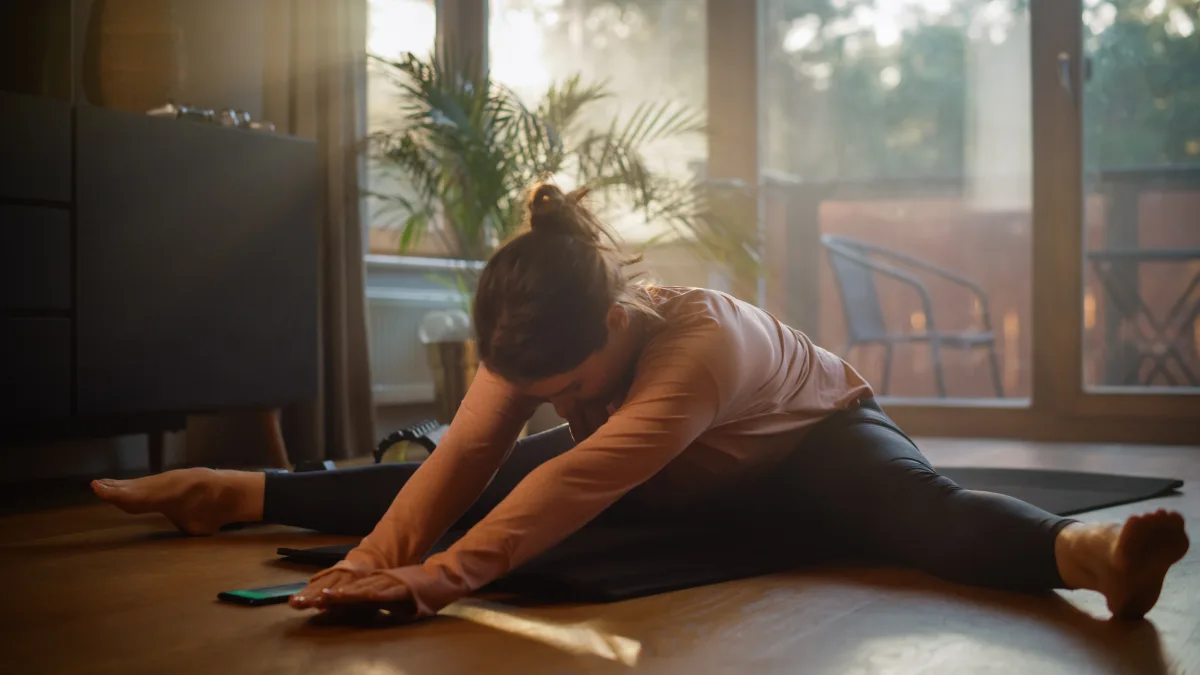
The psoas major is located deep within the lower back and pelvis, extending toward the upper portion of the thigh. Together with the iliacus muscle, it contributes to the iliopsoas muscle group.
Its primary functions include hip flexion, support during walking, and stabilization of the lower back and pelvis. These movements are involved in everyday activities such as climbing stairs and lifting the legs.
Because the psoas participates in several common movements, discomfort around the hips may involve this muscle or neighboring structures. Identifying the actual cause of persistent pain requires an appropriate clinical assessment.
The Psoas as a Trauma Holder
The psoas is sometimes described in wellness discussions as a muscle that stores emotional trauma. Although this description is popular, scientific evidence does not establish that psychological memories are physically stored inside the muscle.
Stress can influence muscle activation, breathing patterns, and pain perception through complex physiological processes. These effects do not mean that one muscle independently controls emotional regulation or retains traumatic experiences.
Gentle psoas stretches may help someone feel physically more comfortable, but they should not be described as a proven method for releasing trauma. Mental health concerns deserve appropriate professional support when necessary.
How Physical Tension and Stress Can Interact
Physical discomfort and emotional stress can influence one another, sometimes creating a cycle in which tension makes relaxation difficult. People may notice tighter muscles during demanding periods or after prolonged inactivity.
Movement, breathing exercises, and comfortable stretching can provide opportunities to shift attention toward physical sensations. These activities may feel calming, although individual responses vary and benefits cannot be guaranteed.
Combining gentle activity with adequate sleep, appropriate exercise, and stress-management habits can support general well-being. Persistent pain or emotional distress should be evaluated independently rather than attributed automatically to muscle tightness.
The Importance of Daily Posture and Psoas Stretches
Daily movement can help interrupt extended periods of sitting and encourage comfortable joint mobility. Stretching the hips and surrounding muscles may be particularly appealing to people who spend much of the day at a desk.
However, flexibility is only one aspect of physical function. Strength, movement variety, activity levels, and individual anatomy also contribute to comfortable posture and everyday mobility.
Practicing daily posture and psoas stretches can complement a broader fitness routine when performed gently. The objective is to improve movement awareness rather than force the body into an idealized posture.
Why Consistency Matters for Psoas Release
Consistent stretching provides regular opportunities to practice comfortable movements and observe changes in mobility. Gradual improvement may occur over time, although the amount of progress differs among individuals.
A short routine can be easier to maintain than an extensive exercise program, especially for people with busy schedules. Repeating manageable movements may encourage better awareness of stiffness and daily activity patterns.
However, consistency does not guarantee emotional release or permanent elimination of muscle tightness. The benefits of stretching depend on individual needs, appropriate technique, and the presence of any underlying conditions.
How Breathing Supports a Gentle Stretching Routine
Comfortable breathing can help create a steady pace during stretching exercises. Instead of holding the breath, maintain natural inhalations and exhalations while moving into each position.
Slow breathing may also provide a point of attention that makes the routine feel more deliberate and relaxing. There is no need to force unusually deep breaths or follow a rigid breathing pattern.
When practicing stretches for stress and muscle tension, prioritize comfort over intensity. If a position makes breathing difficult or creates pressure in the chest or abdomen, adjust or stop the exercise.
Preparing Your Body Before Stretching
Begin in a comfortable environment with enough floor space to move safely. A yoga mat, folded towel, or supportive cushion may help make certain positions more comfortable.
Gentle walking or easy movement before stretching can help prepare the body for activity. Avoid forcing stiff muscles into deep positions immediately after prolonged inactivity.
People with existing hip injuries, significant back problems, recent surgery, or other relevant medical conditions should seek individualized guidance. Any exercise that causes sharp or worsening pain should be stopped.
The 6 Essential Stretches for Psoas and Posture
The following exercises combine gentle hip flexor stretching with supported positions that encourage body awareness and comfortable movement. Not every exercise directly targets the psoas, but each contributes to the overall mobility routine.
The complete sequence is designed to take approximately ten minutes, including brief transitions. Individual exercise durations can be shortened or adjusted according to comfort, flexibility, and physical limitations.
When practicing 6 daily posture and psoas stretches, move slowly and avoid bouncing or pushing into pain. The goal is a manageable routine rather than achieving the deepest possible stretch.
Stretch 1: The Psoas Release with Bolster/Pillow
Lie comfortably on your back with both knees bent and your feet resting on the floor. If appropriate, place a low, firm support beneath the pelvis, avoiding excessive pressure or arching through the lower back.
Slowly extend one leg along the floor while keeping the opposite knee bent. Pause in a comfortable position, return the leg, and repeat on the other side without forcing the movement.
Allow approximately ninety seconds for this exercise, including both sides and the transition. If the elevated position causes discomfort, remove the support and perform the movement with your pelvis resting on the floor.
Stretch 2: Kneeling Lunge Stretch
Begin in a half-kneeling position with one foot placed in front and the opposite knee resting on a folded towel. Keep your upper body upright and position your front foot comfortably.
Gently move the pelvis forward while maintaining control of the lower back. You may notice a stretch across the front of the hip on the kneeling side without needing to lean aggressively forward.
Hold for approximately thirty seconds before changing sides, allowing ninety seconds for the complete exercise. This hip flexor stretch can be adjusted by reducing the movement or using additional support for balance.
Stretch 3: Constructive Rest Position
Lie on your back with your knees bent and feet resting comfortably on the floor. Position your arms beside your body and allow the shoulders to settle without pressing the spine forcefully downward.
Remain in this supported posture while breathing naturally and observing how the lower back and hips feel. The position does not require active stretching or deliberate muscle contraction.
Spend approximately two minutes here as a short rest between movements. This position may feel relaxing, but it should not be presented as a scientifically established method for resetting the nervous system or releasing trauma.
Stretch 4: Wall Psoas Release
Lie on your back near a wall and place your legs comfortably against it, keeping some distance between your hips and the wall if needed. Adjust the position until the lower back feels supported.
Bend one knee slightly or change the angle of the legs whenever the position feels uncomfortable. This supported exercise emphasizes rest and gentle positioning rather than providing a strong direct stretch of the psoas.
Remain in the position for approximately ninety seconds, including adjustments and a comfortable return to sitting. Stop if you experience tingling, dizziness, discomfort, or unusual pressure in the hips or back.
Stretch 5: Figure-Four Stretch (Supine)
Lie on your back with both knees bent and place your right ankle across your left thigh. Keep the right foot gently flexed and avoid pressing downward on the raised knee.
If comfortable, hold the back of your left thigh and bring the legs slightly toward your body. You may feel a mild stretch around the right buttock and outer hip.
Hold for approximately thirty seconds per side, allowing ninety seconds for the complete exercise. The figure-four stretch primarily targets muscles around the hip rather than directly lengthening the psoas.
Stretch 6: Gentle Backbend (Cobra or Sphinx)
Lie on your stomach and place your forearms on the floor with your elbows near your shoulders. Gently lift your upper chest into a comfortable Sphinx position while avoiding excessive pressure through the lower back.
Keep your pelvis supported and breathe naturally as you explore a small, controlled movement. A slightly higher Cobra position may be possible for some individuals, but deeper extension is not necessary.
Hold for fifteen to twenty seconds and repeat a few times within approximately ninety seconds. This movement can complement hip mobility work, although it does not guarantee direct psoas lengthening or emotional tension release.
How to Complete the Six Stretches in 10 Minutes
Following a simple schedule can help make the routine practical for everyday use. The six exercises can be organized into short intervals that include time for both sides and comfortable position changes.
The proposed schedule provides approximately nine and a half minutes of movement and supported rest, leaving about thirty seconds for transitions. Individual needs may require a longer session or fewer exercises.
The routine should remain flexible rather than becoming a strict physical challenge. Comfortable technique is more important than completing every stretch within an exact time limit.
A Practical 10-Minute Stretching Schedule
Begin with ninety seconds for the supported psoas position, followed by ninety seconds for the kneeling lunge. These movements introduce gentle hip positioning while allowing both sides of the body to participate.
Next, spend two minutes in constructive rest and ninety seconds with the legs supported against a wall. These positions provide a quieter portion of the routine between active stretching movements.
Finish with ninety seconds of figure-four stretching and ninety seconds of gentle back extension. The remaining thirty seconds can be used for comfortable transitions, bringing the complete schedule to approximately ten minutes.
How to Adjust the Routine for Beginners
Beginners can shorten each stretch and spend additional time moving carefully between positions. There is no requirement to complete the full schedule on the first attempt.
Using cushions, reducing movement depth, and choosing supported positions can make the exercises more manageable. People with limited mobility may need alternative movements selected by a qualified clinician or physical therapist.
Focus on gentle sensations rather than attempting to reach a particular flexibility level. A shorter routine performed comfortably is preferable to a longer session that creates pain or excessive fatigue.
How Posture and Everyday Habits Affect Hip Comfort
Posture changes naturally throughout the day as people sit, stand, walk, and perform different activities. Maintaining one position for long periods may contribute to discomfort, especially when movement opportunities are limited.
Although some postures feel more comfortable than others, there is no single position that every person must maintain constantly. Regular movement and appropriate physical activity are valuable components of musculoskeletal health.
Combining daily posture stretches with activity breaks may help reduce feelings of stiffness. However, persistent symptoms require attention to individual factors rather than assuming posture alone is responsible.
Why Prolonged Sitting Can Feel Uncomfortable
Long periods of sitting involve sustained positions around the hips and lower back. Some people notice stiffness after remaining seated, particularly when they have limited opportunities to change position.
Standing, walking, and performing gentle movements throughout the day can provide variety for muscles and joints. These activities may be easier to maintain than attempting to correct posture continuously.
Taking regular movement breaks can complement a short stretching routine. The best frequency depends on comfort, work demands, and the individual's ability to move safely.
Building Better Movement Habits During Work
People working at desks may benefit from arranging their workspaces to support comfortable seating and easy movement. Chair height, screen placement, and access to frequently used objects can influence working comfort.
Short walking breaks, standing conversations, and changing positions periodically are simple ways to introduce more movement. These habits do not require specialized equipment or complicated schedules.
For those interested in posture and psoas stretches, combining movement breaks with gentle flexibility exercises may provide a practical routine. The objective is movement variety rather than maintaining rigid alignment throughout the day.
Can Psoas Stretches Help With Emotional Tension?
Stretching may be experienced as relaxing because it creates time for gentle movement, breathing, and focused attention. Some people find this combination helpful during stressful periods.
However, there is no established evidence that stretching the psoas directly removes stored emotional trauma. Anxiety, traumatic stress, and other mental health concerns involve complex processes that cannot be reduced to one muscle.
Using movement as part of self-care may support general well-being. Individuals experiencing persistent distress should consider appropriate mental health care alongside healthy everyday habits.
The Role of Mindful Movement
Mindful movement involves paying attention to physical sensations and adjusting activity according to comfort. During stretching, this may include noticing breathing, muscle tension, and changes in position.
Focusing on movement can offer a brief pause from demanding activities. However, mindfulness experiences differ, and paying close attention to bodily sensations is not equally comfortable for everyone.
People who find specific exercises distressing can choose alternative forms of movement or relaxation. Effective stress management should reflect individual needs and preferences.
Physical Relaxation Versus Emotional Treatment
Physical relaxation describes a reduction in perceived bodily tension or a greater sense of comfort. Emotional treatment involves addressing psychological symptoms through appropriate evidence-based approaches.
Although the two experiences can influence each other, stretching should not be considered a substitute for psychotherapy or medical treatment. It cannot reliably resolve trauma, anxiety disorders, or other persistent psychological difficulties.
Gentle exercise may still have a useful place in a broader wellness plan. Setting realistic expectations allows people to appreciate potential comfort benefits without expecting guaranteed emotional transformation.
Common Mistakes When Performing Psoas Stretches
Stretching exercises are generally more comfortable when movements remain controlled and appropriate to the individual's physical abilities. Pushing too aggressively can increase discomfort instead of improving flexibility.
Another mistake is assuming every sensation around the front of the hip comes from the psoas. Multiple muscles, tendons, joints, and nerves contribute to movement and may produce similar symptoms.
Understanding these limitations can help make psoas stretching routines safer and more practical. Persistent pain, unusual symptoms, or worsening discomfort should be discussed with a healthcare professional.
Stretching Too Deeply
A stretch does not need to create intense discomfort to be useful. Gentle tension may be noticeable, but sharp pain or worsening symptoms indicate that the position should be modified or stopped.
Forcing a kneeling lunge or backbend can place unnecessary strain on the lower back and surrounding joints. Reducing movement depth often provides a more comfortable alternative.
Progress should occur gradually according to individual flexibility and tolerance. Repeatedly pushing beyond comfortable limits does not guarantee faster improvement and may increase the risk of irritation.
Holding Your Breath During Exercises
People sometimes hold their breath while concentrating on a demanding movement. This can create unnecessary tension and make an otherwise gentle exercise feel more difficult.
Breathing naturally throughout the routine supports a comfortable pace. There is no need to force large breaths, count precisely, or use breathing patterns that cause dizziness.
If breathing becomes uncomfortable, return to a neutral position and rest. Stretching should remain manageable rather than becoming a test of endurance or respiratory control.
Ignoring Persistent Hip or Back Pain
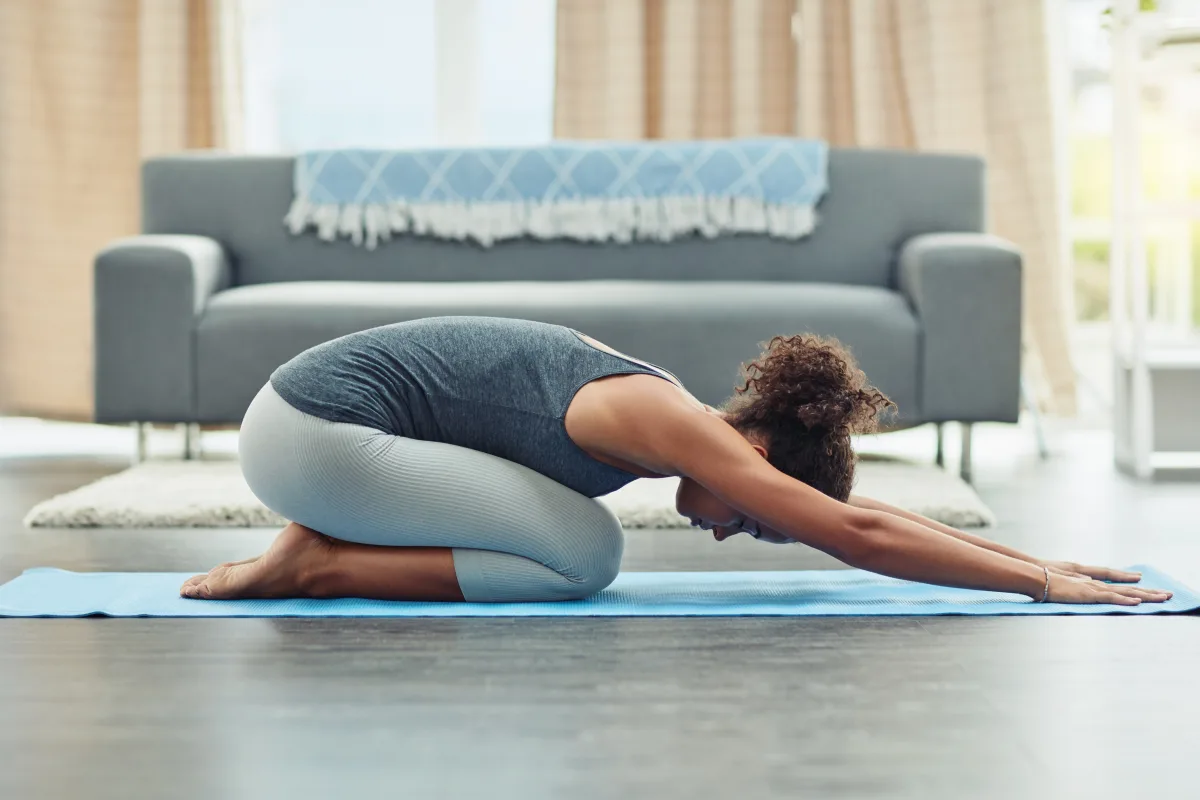
Occasional stiffness is not the same as persistent pain, and the two experiences may require different responses. Stretching is not an appropriate solution for every source of hip or lower back discomfort.
Symptoms such as severe pain, weakness, numbness, or pain following an injury deserve professional assessment. Exercises that worsen symptoms should be discontinued until the cause is better understood.
A physical therapist or healthcare professional can recommend movements suited to the individual's condition. This helps avoid relying on generalized routines when a more specific approach is necessary.
Key Benefits and Limitations of Daily Psoas Stretches
A short stretching routine may support hip mobility, movement awareness, and general physical comfort. These benefits are relevant to people seeking manageable ways to introduce more movement into their daily lives.
The relationship between stretching and emotional well-being should be described carefully. Feeling more relaxed after exercise is possible, but there is no guarantee of trauma release or treatment of anxiety.
The following table summarizes the main considerations associated with daily posture and psoas stretches. It distinguishes realistic physical goals from claims that have not been firmly established by scientific evidence.
Key Point | Brief Description |
|---|---|
Psoas-Emotion Link | The psoas supports hip movement and posture, but scientific evidence does not establish that it physically stores emotional trauma. |
Daily Practice | Consistent gentle movement may support flexibility and physical comfort, although individual results vary. |
Core Stretches | Six movements combine hip flexor stretching, supported resting positions, figure-four stretching, and gentle spinal extension. |
Holistic Benefits | Stretching may complement self-care and relaxation habits but does not replace professional care for chronic pain or emotional distress. |
Frequently Asked Questions About Psoas and Emotional Tension
What is the psoas muscle and why is it important for emotional release?
The psoas is a deep muscle that connects the lower spine to the upper thigh and contributes to hip movement and postural stability. Although it is sometimes described as storing emotional trauma, this claim lacks established scientific support. Gentle stretching may support physical comfort, but it should not be considered a proven method for releasing traumatic memories or treating emotional disorders.
How quickly can I expect results from these psoas stretches?
Some people notice temporary improvements in comfort after a gentle stretching session, while others require more time to experience changes in mobility. Results depend on individual physical conditions, exercise technique, and consistency. There is no established timeline for emotional tension release through psoas stretching, and persistent pain should be evaluated by a qualified healthcare professional.
Can these stretches help with anxiety or stress?
Gentle stretching and mindful breathing may feel relaxing and can complement a broader wellness routine. However, there is no reliable evidence that directly stretching the psoas treats anxiety or removes stored emotional trauma. People experiencing ongoing anxiety may benefit from appropriate professional support and evidence-based mindfulness and anxiety management strategies.
Are there any risks or precautions when doing psoas stretches?
Yes. Stretching too forcefully may aggravate existing hip or lower back problems. Avoid movements that cause sharp pain, numbness, dizziness, or worsening symptoms. Individuals with injuries, recent surgery, significant musculoskeletal conditions, or pregnancy-related limitations should seek individualized guidance before attempting unfamiliar exercises. Gentle movement and comfortable positioning are more important than achieving maximum flexibility.
Why is '10 minutes' emphasized for this routine?
Ten minutes provides a manageable time frame for introducing six gentle movements into an everyday schedule. The duration is intended to make the routine practical rather than guarantee specific physical or emotional results. Some people may need more time for transitions or modified exercises. Consistent, comfortable practice is more important than following an exact schedule.
Looking Ahead: Sustaining Emotional and Physical Release
6 Daily Posture and Psoas Stretches to Release Chronic Emotional Tension in 10 Minutes offers a structured introduction to gentle mobility and relaxation practices. The routine can encourage physical awareness without requiring extensive equipment or long workouts.
Combining these movements with regular activity, appropriate rest, and healthy stress-management habits may support general well-being. However, stretching does not remove stored trauma or guarantee improvements in psychological health.
For long-term comfort, focus on gradual progress, suitable exercise selection, and realistic expectations. If physical discomfort or emotional distress persists, professional guidance can help identify more appropriate strategies for individual needs.