Aromatherapy for Chronic Stress: Top 3 Essential Oil Blends
Advertisements
Aromatherapy for Chronic Stress explores three aromatic combinations commonly associated with relaxation, explains how researchers measure salivary cortisol, and examines the evidence behind essential oils as a complementary stress-management practice.
Aromatherapy for chronic stress has attracted attention among people searching for accessible relaxation practices, particularly those interested in essential oils and their potential influence on emotional well-being.
Lavender, bergamot, chamomile, and several other aromatic plants have been investigated in studies involving stress or anxiety. However, evidence that particular essential oil blends reliably reduce salivary cortisol remains limited.
This guide examines three popular combinations, explains their possible uses, discusses scientific limitations, and provides practical safety considerations for incorporating aromatherapy into a broader self-care routine.
Understanding Chronic Stress and its Physiological Markers
Chronic stress occurs when stressful circumstances persist or repeatedly activate the body's stress-response systems, potentially affecting sleep, concentration, mood, and physical well-being over time.
Cortisol is one hormone involved in that response, and researchers sometimes measure it in saliva to study changes associated with psychological or physiological stress.
However, aromatherapy for chronic stress should not be evaluated through a single cortisol reading, because hormone concentrations naturally fluctuate throughout the day and are influenced by numerous factors.
The Science Behind Aromatherapy and Cortisol Reduction
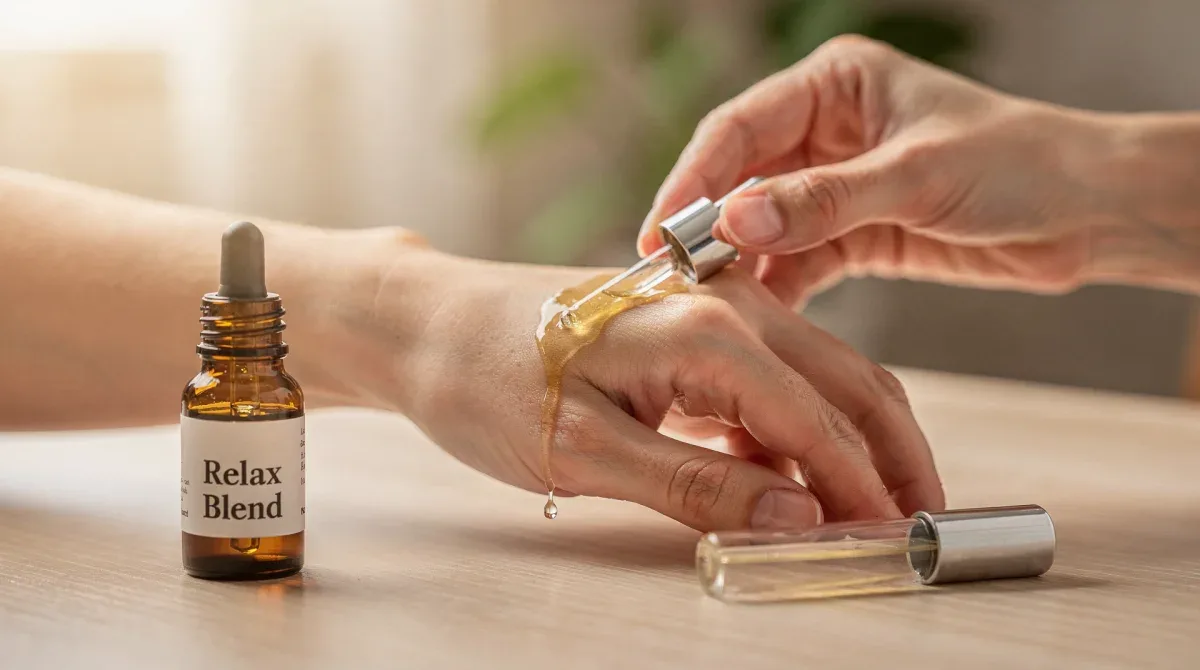
Aromatherapy involves using aromatic substances extracted from plants, commonly through inhalation or carefully diluted topical application, as a complementary approach to relaxation and personal well-being.
Odors are processed through the olfactory system, which connects with brain regions involved in emotional responses and memory, offering a possible explanation for changes in perceived mood.
Research into aromatherapy for chronic stress suggests some participants experience reduced anxiety or subjective stress, but findings involving cortisol and other physiological markers are less consistent.
Top 3 Essential Oil Blends Tested to Reduce Salivary Cortisol
Three frequently discussed aromatic combinations include lavender with bergamot and ylang-ylang, frankincense with sweet orange and cedarwood, and clary sage with geranium and Roman chamomile.
These mixtures bring together oils traditionally associated with calming fragrances, but the available scientific literature does not establish that all three exact formulations have been clinically validated to lower salivary cortisol.
For anyone exploring aromatherapy for chronic stress, these combinations are better understood as optional relaxation blends rather than proven hormonal treatments or substitutes for evidence-based care.
Blend 1: Lavender, Bergamot, and Ylang-Ylang
Lavender, bergamot, and ylang-ylang create a floral and citrus-forward combination that some people find pleasant during quiet evening routines or moments of intentional relaxation.
Lavender has received particular research attention for anxiety-related outcomes, while bergamot and ylang-ylang appear in aromatherapy practices focused on fragrance and emotional comfort.
Although individual oils have been investigated, their combination should not be assumed to produce a measurable cortisol reduction. Personal fragrance preference and sensitivity can also influence the experience.
Lavender: A widely studied aromatic plant used in relaxation practices and sleep routines.
Bergamot: A citrus-derived fragrance sometimes incorporated into relaxation-focused aromatic preparations.
Ylang-Ylang: A floral essential oil used for its distinctive scent and association with calming environments.
Blend 2: Frankincense, Sweet Orange, and Cedarwood
Frankincense, sweet orange, and cedarwood combine resinous, citrus, and woody aromas, producing a fragrance profile that can complement meditation, quiet reading, or other calming activities.
Sweet orange oil has appeared in studies of aromatherapy and anxiety, although findings involving individual scents cannot automatically establish the effectiveness of a particular mixture.
When considering aromatherapy for chronic stress, this combination may be explored for personal enjoyment, but it should not be presented as a verified treatment for elevated cortisol.
Frankincense: Traditionally used in aromatic settings associated with reflection and meditation.
Sweet Orange: Provides a recognizable citrus fragrance that some users perceive as refreshing.
Cedarwood: Adds a woody aroma frequently used in calming fragrance combinations.
Application Methods for Optimal Results
Essential oils are commonly used through indirect inhalation, including personal aroma sticks or room diffusers, and through topical products when appropriately diluted.
For aromatherapy for chronic stress, the most practical objective is to create a comfortable relaxation experience rather than assume that a specific application method will produce measurable hormonal changes.
The National Center for Complementary and Integrative Health's official aromatherapy guidance explains common uses of essential oils and the limitations of existing research, helping readers distinguish traditional practices from established clinical evidence.
Blend 3: Clary Sage, Geranium, and Roman Chamomile
Clary sage, geranium, and Roman chamomile form an herbaceous and floral combination sometimes chosen for calming nighttime rituals or periods of quiet relaxation.
Roman chamomile and geranium are among the oils discussed in aromatherapy literature, while clary sage is frequently marketed for emotional balance despite limited evidence supporting specific hormonal effects.
This blend should therefore be considered a fragrance option rather than a clinically established method for regulating cortisol, treating hormonal conditions, or resolving persistent psychological stress.
Clary Sage: An aromatic herb commonly used in fragrance blends associated with relaxation.
Geranium: A floral-scented oil found in various aromatherapy preparations.
Roman Chamomile: An essential oil commonly associated with gentle, calming fragrances.
Integrating Aromatherapy into Daily Self-Care Routines
Building a regular relaxation routine can provide opportunities to disconnect from demanding activities, reduce distractions, and devote intentional time to emotional well-being.
People exploring aromatherapy for chronic stress may choose to pair a pleasant fragrance with breathing exercises, a quiet reading session, or other familiar self-care practices.
For additional approaches, consider established stress management techniques such as regular physical activity, sufficient sleep, social support, and professional assistance when symptoms become persistent or disruptive.
Safety Considerations and Best Practices
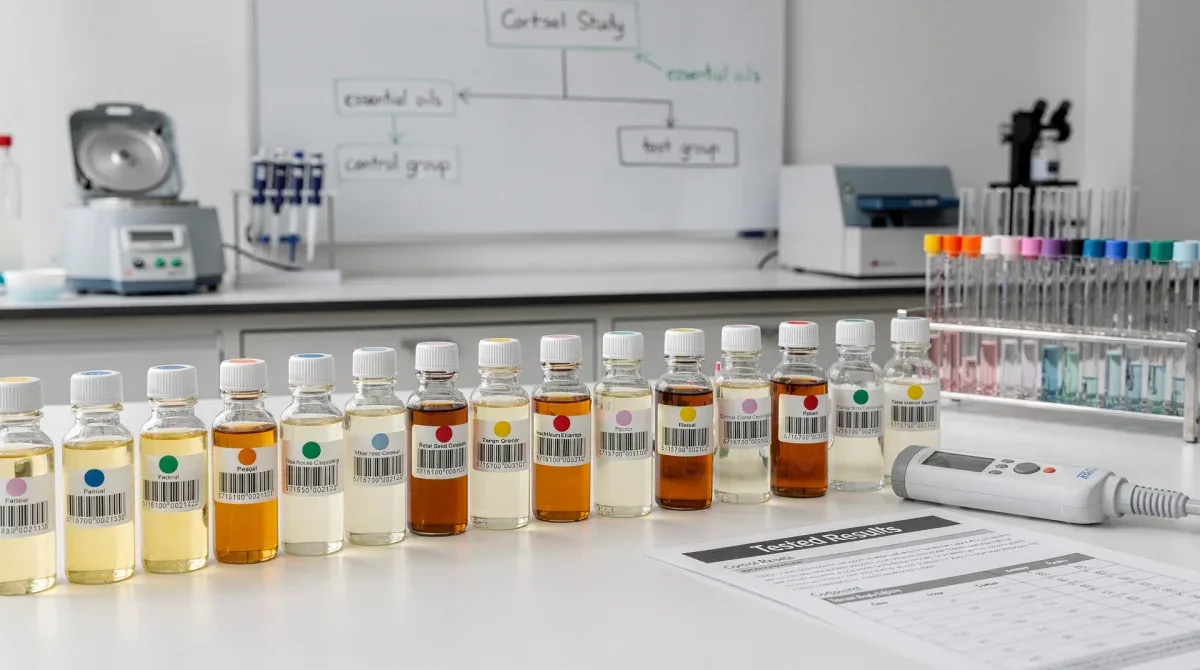
Essential oils contain concentrated aromatic compounds and can cause irritation, allergic reactions, headaches, or respiratory discomfort, particularly when used improperly or in poorly ventilated spaces.
Topical applications should be appropriately diluted according to reliable safety instructions, and essential oils should not be swallowed or applied directly to sensitive areas without qualified guidance.
When using aromatherapy for chronic stress, consider individual sensitivities, household members, children, pets, and existing respiratory or medical conditions before selecting products or application methods.
Future Directions in Aromatherapy Research
Researchers continue investigating whether aromatherapy can influence perceived stress, anxiety, sleep experiences, and physiological measures associated with the body's stress-response systems.
Future studies need clearer descriptions of essential oil formulations, consistent methods of administration, appropriate comparison groups, and reliable measurements collected at comparable times.
Progress in aromatherapy for chronic stress research may help clarify which practices offer meaningful benefits, but current evidence does not justify treating specific blends as proven cortisol-lowering interventions.
Key Point | Brief Description |
|---|---|
Cortisol Reduction | Evidence remains insufficient to confirm that the three specified blends reliably lower salivary cortisol. |
Top Blends | Lavender, Bergamot, Ylang-Ylang; Frankincense, Sweet Orange, Cedarwood; Clary Sage, Geranium, Roman Chamomile. |
Application | Indirect inhalation and appropriately diluted topical application are common methods. |
Safety | Consider allergies, skin irritation, respiratory sensitivity, appropriate dilution, and product instructions. |
Frequently Asked Questions About Aromatherapy and Stress
How do essential oils reduce stress?▼
Aromatherapy may influence perceived relaxation through pleasant odors, emotional associations, and the experience of setting aside time for calming activities. Some research suggests improvements in anxiety or stress symptoms, but evidence for consistent physiological effects remains limited.
What is salivary cortisol and why is it important?▼
Salivary cortisol is a measurement of cortisol found in saliva, sometimes used in research to investigate activity in the body's stress-response system. Results depend on factors such as time of collection, sleep, medication, and individual health conditions. A single result does not establish chronic stress.
Can aromatherapy replace traditional stress treatments?▼
No. Aromatherapy for chronic stress is best viewed as a complementary relaxation practice rather than a replacement for professional evaluation, psychological treatment, or other evidence-based approaches. Persistent stress that affects sleep, daily functioning, or health should be discussed with a qualified healthcare professional.
Are there any side effects to using essential oils for stress?▼
Yes. Essential oils may cause skin irritation, allergic reactions, respiratory discomfort, or headaches. Certain citrus oils can also increase sensitivity to sunlight when applied topically. Appropriate dilution, ventilation, product instructions, and professional guidance are important safety considerations.
How quickly can one expect results from these essential oil blends?▼
Some people may experience an immediate subjective feeling of relaxation when exposed to a pleasant aroma, while others notice little or no effect. No reliable timeframe has been established for these three exact mixtures to reduce salivary cortisol, and the response can vary considerably.
Perspectives
Aromatherapy for chronic stress may offer a pleasant addition to daily relaxation routines, particularly for individuals who enjoy aromatic environments and intentional moments of rest.
However, the available research supports a cautious interpretation: some studies suggest benefits for perceived stress or anxiety, while consistent cortisol reductions and the effectiveness of specific blends remain unproven.
Combining safe fragrance practices with affordable self-care strategies, mindfulness practices, and habits that support emotional resilience provides a more balanced approach to long-term well-being.