Budget Self-Care: Prioritize Well-being Under $20/Week in 2026
Advertisements
Prioritizing self-care is crucial for sustained well-being, and it is entirely achievable even with a modest budget, offering practical strategies to nurture mental and physical health for under $20 a week in 2026.
Advertisements
In an increasingly demanding world, the idea of self-care often feels like a luxury, something reserved for those with ample time and disposable income. However, prioritizing self-care on a budget is not only possible but essential for maintaining your mental, emotional, and physical health, even with less than $20 a week in 2026.
This guide will explore practical, effective strategies to nurture your well-being without breaking the bank, proving that truly impactful self-care is accessible to everyone.
Reclaim Your Calm with Mindful Moments
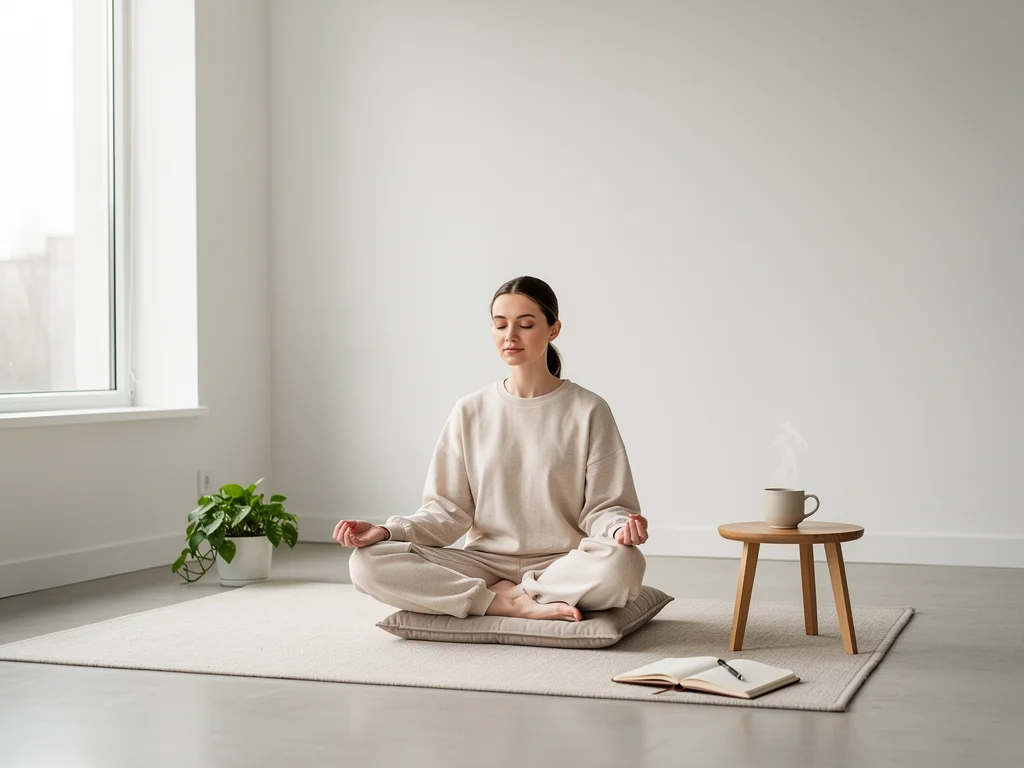
Finding moments of peace amidst daily chaos doesn’t require expensive retreats or elaborate setups. Mindfulness, the practice of being present and fully aware, is a powerful and entirely free self-care tool that can significantly reduce stress and enhance your overall well-being. Integrating mindful moments into your routine can transform ordinary activities into opportunities for calm and reflection, costing nothing but a few minutes of your time.
The beauty of mindfulness lies in its adaptability. You can practice it anywhere, at any time, making it an ideal strategy for those on a tight budget. It’s about intentionally focusing on the present, observing your thoughts and feelings without judgment, and engaging your senses with your immediate environment. This simple shift in attention can lead to profound benefits for your mental state.
Simple mindful practices
- Mindful breathing: Take five deep breaths, focusing solely on the sensation of air entering and leaving your body. This can be done at your desk, in line at the grocery store, or before bed.
- Walking meditation: Pay attention to the feeling of your feet on the ground, the rhythm of your steps, and the sights and sounds around you during a short walk.
- Mindful eating: Savor each bite of your meal, noticing the flavors, textures, and aromas. This helps foster a healthier relationship with food and promotes slower eating.
By consistently incorporating these small, mindful practices, you train your mind to be more present and less reactive to stressors. This cumulative effect can lead to a greater sense of inner peace and resilience, proving that the most valuable self-care often comes without a price tag. The key is consistency and a genuine willingness to engage with the present moment.
Embrace Nature’s Therapy: Outdoor Adventures
Connecting with nature is a scientifically proven way to boost mood, reduce anxiety, and improve physical health, and it’s almost always free. Whether you live in a bustling city or a quiet rural area, there are countless ways to incorporate outdoor experiences into your self-care routine without spending a dime. The natural world offers a profound sense of tranquility and perspective that can be incredibly restorative.
Spending time outdoors provides a wealth of benefits, from increasing vitamin D levels to lowering blood pressure and heart rate. It encourages physical activity, which is crucial for both physical and mental well-being, and offers a refreshing change of scenery from indoor confines. Even a brief exposure to green spaces can have a significant positive impact on your emotional state.
Free outdoor activities
- Local park visits: Explore a nearby park, walk a trail, or simply sit on a bench and observe your surroundings. Many parks offer free events or community gardens.
- Hiking or nature walks: Seek out local hiking trails or nature preserves. These often provide stunning views and opportunities for vigorous exercise.
- Stargazing: Find a spot away from city lights and spend an evening looking at the stars. This can be a deeply calming and awe-inspiring experience.
Beyond structured activities, simply opening a window to let in fresh air and natural light, or tending to a small potted plant, can bring elements of nature indoors. These small connections help to reduce feelings of isolation and foster a sense of connection to something larger than oneself. Embracing nature’s therapy is an accessible and powerful form of self-care that truly costs nothing.
Nourish Your Body with Budget-Friendly Meals
Eating nutritious meals is fundamental to self-care, impacting energy levels, mood, and overall physical health. However, healthy eating often comes with the misconception of being expensive. With smart planning and conscious choices, you can prepare delicious, wholesome meals for under $20 a week, ensuring your body receives the fuel it needs without straining your wallet.
The key to budget-friendly nutrition lies in focusing on whole, unprocessed foods that are often more affordable than their pre-packaged counterparts. Cooking at home gives you control over ingredients and portion sizes, reducing waste and saving money. It also offers a creative outlet and a meditative process that can be a form of self-care in itself.
Smart grocery shopping tips
- Plan your meals: Create a weekly meal plan and a corresponding grocery list to avoid impulse purchases and reduce food waste.
- Buy in season: Seasonal fruits and vegetables are typically cheaper and fresher. Check local farmers’ markets for good deals.
- Utilize pantry staples: Lentils, beans, rice, and oats are inexpensive, versatile, and highly nutritious. They form excellent bases for many meals.
Consider simple, nutrient-dense meals like oatmeal for breakfast, lentil soup for lunch, and a stir-fry with seasonal vegetables and rice for dinner. These meals are not only economical but also packed with essential vitamins and fiber. By making conscious food choices and preparing meals at home, you invest in your health without overspending, proving that nourishing your body can be both affordable and deeply satisfying.
Cultivate Creativity and Hobbies on a Dime
Engaging in creative pursuits and hobbies is a fantastic way to unwind, express yourself, and foster a sense of accomplishment, all crucial components of self-care. Many fulfilling hobbies require minimal or no financial investment, making them perfect for a budget-conscious approach to well-being. Tapping into your creative side can provide a much-needed mental break and a sense of purpose.
Hobbies don’t have to be grand or complicated. Simple activities that allow you to focus and enter a state of flow can be incredibly therapeutic. The act of creating, learning, or simply enjoying a pastime redirects your energy away from stressors and towards something personally enriching. This mental shift is invaluable for reducing anxiety and improving mood.
Inexpensive creative outlets
- Journaling or writing: All you need is a pen and paper. Expressing your thoughts and feelings can be a powerful emotional release.
- Drawing or sketching: Use pencils or old pens and any paper you have. There are many free online tutorials for beginners.
- Learning a new skill online: Websites like YouTube offer free tutorials for everything from knitting to coding. Utilize your local library for books on various crafts.
Even rediscovering childhood hobbies, like coloring or building with household items, can bring immense joy and a sense of nostalgia. The goal is to find activities that genuinely resonate with you and allow for a sense of playful exploration. By dedicating time to these inexpensive creative outlets, you nurture your inner self and add richness to your life without financial strain.
Build Strong Connections: Social Self-Care
Human connection is a fundamental need, and fostering strong relationships is a vital aspect of self-care. Social interaction can reduce feelings of loneliness, provide emotional support, and even improve physical health. Fortunately, maintaining and building these connections doesn’t require expensive outings or lavish gestures; many meaningful interactions can be entirely free or very low-cost.
In an age dominated by digital communication, prioritizing in-person or voice interactions can make a significant difference. It’s about quality over quantity, focusing on genuine engagement with people who uplift and support you. Even small, consistent efforts to connect can strengthen bonds and create a robust support system.
Free ways to connect
- Virtual coffee dates: Catch up with friends or family over a video call.
- Walk and talk: Combine exercise with socializing by taking a walk with a loved one.
- Volunteer your time: Join a local community group or volunteer for a cause you care about. This allows you to meet like-minded people and contribute positively.
Beyond structured activities, simply reaching out to a friend with a thoughtful text, offering a listening ear, or sharing a home-cooked meal can foster deep connections. Remember, the value of a relationship isn’t measured by how much you spend, but by the genuine care and support exchanged. Prioritizing social self-care on a budget means investing time and empathy, not money.
Optimize Your Sleep Environment for Better Rest
Quality sleep is one of the most powerful and often overlooked aspects of self-care. It directly impacts your physical health, mental clarity, and emotional resilience. While a new mattress might be out of budget, there are numerous free or very inexpensive ways to optimize your sleep environment and bedtime routine to ensure you get the restorative rest you need.
A consistent sleep schedule and a conducive sleep environment are crucial for improving sleep quality. Even small adjustments can make a big difference in how well you fall asleep and stay asleep. Prioritizing sleep is a non-negotiable form of self-care that costs nothing but discipline and attention to your body’s natural rhythms.
Budget-friendly sleep improvements
- Establish a consistent sleep schedule: Go to bed and wake up at the same time every day, even on weekends.
- Create a dark, quiet, and cool room: Use old blankets or towels to block light, turn off electronics, and adjust your thermostat if possible.
- Develop a relaxing bedtime routine: This could include reading a book, taking a warm bath (using existing bath products), or listening to calming music.
Avoid screens for at least an hour before bed, as the blue light can disrupt melatonin production. Instead, engage in relaxing activities that signal to your body that it’s time to wind down. By making these simple, cost-free changes, you can significantly enhance the quality of your sleep, leading to improved mood, energy, and overall well-being. Investing in better sleep is investing in your entire self.
| Strategy | Brief Description |
|---|---|
| Mindful Moments | Practice presence through breathing exercises or mindful walking to reduce stress. |
| Nature’s Therapy | Spend time outdoors in parks or on trails for mood and health benefits. |
| Budget-Friendly Meals | Plan and cook nutritious, inexpensive meals using seasonal and pantry staples. |
| Creative Hobbies | Engage in free or low-cost creative activities like journaling or drawing. |
Frequently Asked Questions About Budget Self-Care
Begin with free activities like mindful breathing, short walks in nature, or journaling. Utilize free online resources for guided meditations or exercise. Focus on optimizing your sleep and fostering existing social connections. Small, consistent efforts make a big difference without costing anything.
Deep breathing exercises, spending time in a local park, listening to free music, reading books from the library, and connecting with friends or family via video calls are excellent stress relievers that cost little to nothing. Physical activity like walking is also highly effective.
Absolutely. Focus on cooking at home, buying seasonal produce, and utilizing affordable pantry staples like beans, rice, and oats. Meal planning prevents waste and impulse buys. Look for sales and consider growing a small herb garden for fresh additions.
Sleep is critical for physical and mental health. Improve it by maintaining a consistent sleep schedule, creating a dark and quiet sleep environment, and establishing a relaxing bedtime routine that avoids screens. These practices are free and significantly enhance sleep quality.
Yes, many organizations offer free helplines, online support groups, and mental health apps. Public libraries often have resources, and some community centers provide free or low-cost counseling. Don’t hesitate to research local and national support options in your area.
Conclusion
Prioritizing self-care doesn’t demand a hefty financial investment; rather, it requires intentionality, creativity, and a commitment to your well-being. The six strategies outlined here demonstrate that effective self-care for under $20 a week in 2026 is not just a pipe dream but a tangible reality. By embracing mindful moments, connecting with nature, nourishing your body with budget-friendly meals, cultivating inexpensive hobbies, fostering strong social connections, and optimizing your sleep, you can significantly enhance your quality of life. Remember, true self-care is about consistent, compassionate attention to your needs, proving that the most valuable investments are often those that cost the least.