Building Emotional Resilience: Self-Care in the US Climate
Advertisements
Building emotional resilience through targeted self-care practices is crucial for navigating the unique stressors of the current US climate, fostering mental well-being and adaptive coping mechanisms.
In today’s fast-paced and often turbulent environment, mastering emotional resilience self-care is not just a luxury, but a fundamental necessity for maintaining mental well-being. The current US climate, marked by rapid societal changes and persistent stressors, presents unique challenges to our emotional equilibrium. How can we cultivate inner strength and navigate these complexities with grace and fortitude?
Advertisements
Understanding the Landscape of Stress in the US
The contemporary United States presents a unique tapestry of stressors that can significantly impact our emotional well-being. From economic uncertainties to socio-political divisions and the pervasive influence of digital connectivity, individuals are often caught in a whirlwind of information and pressure. Recognizing these external factors is the first step toward developing effective coping mechanisms and fostering resilience.
Many Americans experience a heightened sense of anxiety due to factors that feel largely beyond their control. This can manifest as chronic stress, affecting both physical and mental health. The constant barrage of news, often negative, can also contribute to a feeling of overwhelm, making it difficult to maintain a positive outlook or a sense of stability.
Economic Instability and Personal Finances
Financial worries remain a primary concern for many, influencing daily decisions and long-term planning. The fluctuating job market, inflation, and rising costs of living create a pervasive undercurrent of stress.
- Concerns over job security and career progression.
- The burden of rising healthcare costs and student loan debt.
- Uncertainty about retirement savings and future financial stability.
These financial pressures often translate into emotional strain, affecting relationships and overall life satisfaction. Addressing these anxieties, even if solutions are gradual, is a vital component of self-care.
Social and Political Divides
The socio-political landscape in the US has become increasingly polarized, leading to heightened tensions and emotional fatigue. Engaging with or even simply observing these divisions can be draining.
This constant exposure to conflict can erode trust and create feelings of helplessness. It’s essential to recognize how much of this external stress we internalize and how it impacts our emotional state. Setting boundaries around political discourse and media consumption can be a powerful act of self-preservation in this environment.
Understanding the multifaceted nature of stress in the US is crucial. It allows us to approach self-care not as a generic solution, but as a tailored response to specific, often interconnected, challenges. By acknowledging these pressures, we can better equip ourselves with the tools needed to build robust emotional resilience.
The Cornerstone of Self-Care: Mindful Awareness
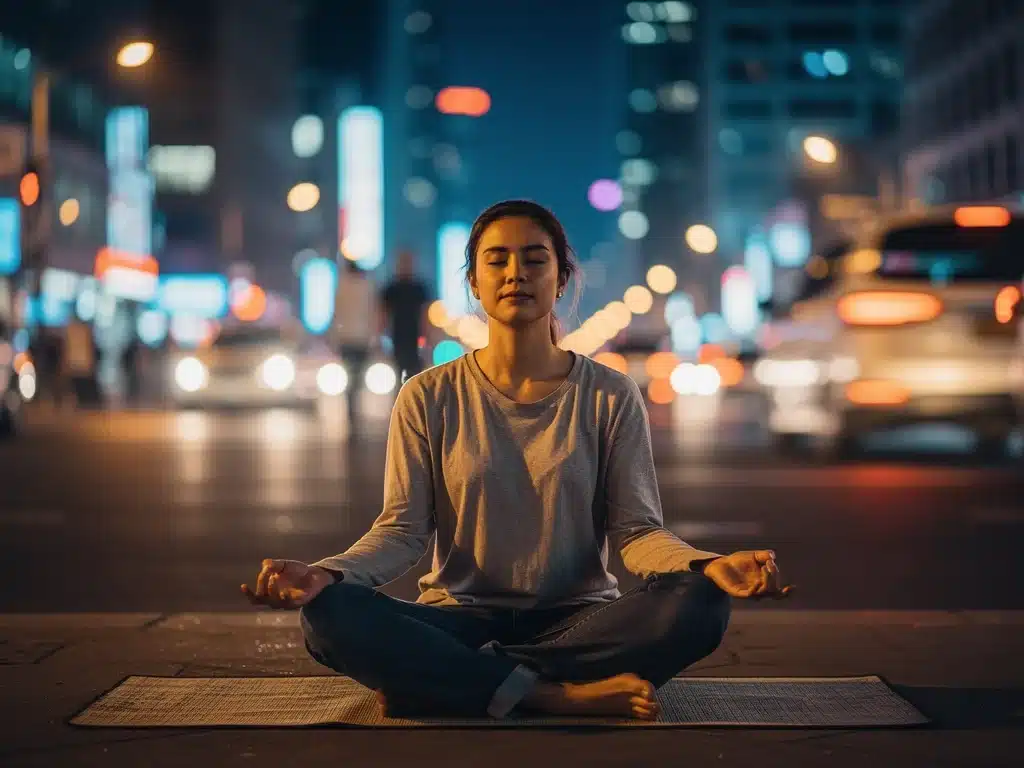
Mindful awareness serves as a foundational practice for building emotional resilience, especially when navigating the complex stressors prevalent in the US today. It involves bringing a gentle, non-judgmental attention to the present moment, helping us to observe our thoughts, feelings, and bodily sensations without getting swept away by them. This practice creates a vital space between stimulus and response, allowing for more intentional and less reactive reactions to life’s challenges.
In a world that constantly demands our attention and often pulls us into future worries or past regrets, mindfulness offers an anchor. It teaches us to pause, breathe, and simply be, even if just for a few moments. This intentional slowing down can significantly reduce the cumulative effect of daily stressors, preventing them from escalating into chronic anxiety or burnout.
Simple Mindfulness Techniques for Daily Life
Integrating mindfulness doesn’t require hours of meditation; it can be woven into the fabric of everyday activities. Starting small can yield significant benefits.
- Mindful Breathing: Dedicate a few minutes each day to simply observe your breath. Notice the sensation of air entering and leaving your body. When your mind wanders, gently bring it back to your breath.
- Mindful Eating: Pay full attention to a meal or snack. Notice the colors, textures, aromas, and tastes. Chew slowly and savor each bite.
- Body Scan: Lie down and systematically bring your attention to different parts of your body, noticing any sensations without judgment. This helps to connect with physical feelings and release tension.
These practices train our minds to focus, improving our ability to concentrate and reducing mental clutter. They also enhance our emotional intelligence, making us more attuned to our internal states and better equipped to manage them.
Cultivating Non-Judgmental Observation
A core aspect of mindful awareness is learning to observe our internal experiences without judgment. When difficult emotions arise, our natural inclination might be to suppress them or criticize ourselves for feeling them. Mindfulness encourages us to acknowledge these feelings simply as they are, without assigning them ‘good’ or ‘bad’ labels.
This non-judgmental stance is incredibly liberating. It reduces the secondary suffering that often comes from fighting our emotions. By accepting what is, we create an environment where emotional healing and processing can occur more naturally. This acceptance is not resignation, but a powerful act of self-compassion, paving the way for greater emotional flexibility and resilience.
Embracing mindful awareness allows us to become more present in our lives, reducing the impact of external chaos and fostering a deeper connection with ourselves. It is a continuous practice that, over time, profoundly enhances our capacity for emotional resilience, enabling us to navigate even the most turbulent times with greater calm and clarity.
Connecting with Community: The Power of Support Networks
In times of widespread stress, the human need for connection becomes even more pronounced. Actively engaging with and nurturing our social support networks is a powerful self-care practice that significantly bolsters emotional resilience. Isolation, conversely, can exacerbate feelings of anxiety and hopelessness, making it harder to cope with external pressures. Building and maintaining strong social ties provides a buffer against adversity, offering comfort, perspective, and practical assistance when needed.
The current US climate, with its various challenges, can sometimes feel isolating. People might retreat, or social interactions might feel strained. However, intentionally reaching out and fostering genuine connections can counteract these tendencies. It reminds us that we are not alone in our struggles and that shared experiences can lighten the load.
Reaching Out and Building Bonds
Making an effort to connect with others, whether it’s family, friends, or community groups, can have profound positive effects. These interactions don’t always need to be deep or intense; sometimes, simple shared moments are enough.
- Regularly scheduling calls or video chats with distant loved ones.
- Participating in local clubs, volunteer activities, or interest groups.
- Attending community events or religious services to meet new people.
These intentional efforts to connect can combat feelings of loneliness and provide a sense of belonging. They create opportunities for mutual support and understanding, which are essential for emotional well-being.
The Benefits of Shared Experience
When we share our experiences and vulnerabilities with others, we often find validation and empathy. Knowing that others are facing similar challenges can reduce feelings of isolation and normalize our own struggles. This shared understanding can transform a daunting personal battle into a collective effort.
Support networks also offer diverse perspectives, helping us to see problems from different angles and find new solutions. Sometimes, a simple conversation can provide clarity or a much-needed emotional release. The act of giving and receiving support creates a reciprocal cycle of care that strengthens both individuals and the community as a whole.
Ultimately, fostering strong community ties is a proactive measure against the emotional toll of societal stress. It reminds us of our interconnectedness and provides a vital resource for navigating life’s ups and downs. Prioritizing these connections is a fundamental aspect of building enduring emotional resilience.
Physical Well-being as an Emotional Foundation
It’s often said that a healthy mind resides in a healthy body, and this adage holds immense truth when it comes to emotional resilience. Our physical well-being acts as a critical foundation for our mental and emotional states. Neglecting basic physical needs can significantly diminish our capacity to cope with stress, making us more susceptible to anxiety, low mood, and burnout. In the current US climate, where demands often outweigh available energy, prioritizing physical self-care is not a luxury, but a non-negotiable component of maintaining emotional equilibrium.
When we are physically fatigued, poorly nourished, or lacking in movement, our brain chemistry and stress response systems are often thrown out of balance. This can lead to increased irritability, difficulty concentrating, and a reduced ability to regulate emotions. Conversely, consistent attention to physical health provides a robust buffer against emotional turbulence, enhancing our ability to bounce back from adversity.
The Triumvirate of Physical Self-Care: Sleep, Nutrition, and Movement
These three pillars are interconnected and mutually reinforcing. A deficit in one can negatively impact the others, creating a downward spiral.
- Adequate Sleep: Aim for 7-9 hours of quality sleep per night. Sleep deprivation impairs cognitive function, emotional regulation, and stress management. Establish a consistent sleep schedule and create a relaxing bedtime routine.
- Nourishing Nutrition: Fuel your body with a balanced diet rich in whole foods, fruits, vegetables, and lean proteins. Avoid excessive sugar, processed foods, and caffeine, which can exacerbate anxiety and disrupt mood.
- Regular Movement: Engage in physical activity most days of the week. Exercise releases endorphins, reduces stress hormones, and improves mood. This doesn’t have to be intense; even a brisk walk or gentle yoga can make a significant difference.
By consistently attending to these basic needs, we provide our bodies and brains with the resources they need to function optimally, thereby enhancing our emotional fortitude.
Hydration and Sunlight Exposure
Beyond the core three, two often-overlooked physical elements play a crucial role in mood and energy levels.
Hydration: Dehydration, even mild, can lead to fatigue, headaches, and impaired cognitive function, all of which can increase stress and reduce emotional resilience. Ensure you are drinking enough water throughout the day.
Sunlight Exposure: Spending time outdoors, especially in natural light, helps regulate our circadian rhythm, improves mood, and can boost Vitamin D levels, which are linked to mental health. Even short periods of outdoor exposure can be beneficial.
By conscientiously integrating these physical self-care practices into our daily routines, we are actively investing in our emotional resilience. A strong and well-cared-for body provides a stable platform from which to navigate the emotional complexities of the modern world, empowering us to face challenges with greater strength and clarity.
Embracing Creative Expression and Meaningful Hobbies
Beyond the essential practices of mindfulness, connection, and physical health, fostering emotional resilience also involves nurturing our inner world through creative expression and engaging in meaningful hobbies. In the often-demanding and sometimes monotonous rhythm of modern life, particularly within the current US climate, having outlets that bring joy, a sense of accomplishment, or simply a break from daily pressures is invaluable. These activities allow us to tap into different parts of our brains, offering a form of mental escape and a pathway to self-discovery and emotional processing.
When we engage in creative endeavors or pursue passions, we often enter a state of ‘flow,’ where time seems to disappear, and we are fully immersed in the activity. This state is incredibly restorative, acting as a powerful antidote to stress and rumination. It provides a sense of agency and control, which can be particularly empowering when external circumstances feel overwhelming.
The Therapeutic Benefits of Creativity
Creative expression isn’t just for artists; it’s a fundamental human need that can take many forms. Whether it’s painting, writing, playing music, gardening, or cooking, the act of creating something can be deeply therapeutic.
- Emotional Release: Creative activities provide a safe channel for expressing and processing complex emotions that might be difficult to articulate verbally.
- Problem-Solving Skills: Engaging in creative tasks often requires innovative thinking, which can translate to better problem-solving in other areas of life.
- Sense of Accomplishment: Completing a creative project, no matter how small, boosts self-esteem and provides a feeling of mastery.
These benefits contribute directly to our emotional resilience, making us feel more capable and emotionally robust. The focus shifts from external stressors to an internal world of possibility and personal growth.
Hobbies as a Source of Joy and Purpose
Meaningful hobbies are not merely time-fillers; they are vital components of a balanced life. They offer a sense of purpose outside of work or daily obligations, providing a source of intrinsic motivation and joy.
Whether it’s learning a new language, hiking, photography, or collecting, hobbies can broaden our perspectives, introduce us to new communities, and provide a much-needed sense of achievement. They remind us that there’s more to life than challenges and that personal growth can be a continuous and enjoyable journey.
By actively cultivating creative outlets and pursuing hobbies that resonate with us, we enrich our emotional landscape. These practices serve as powerful tools for self-regulation, stress reduction, and personal fulfillment, ultimately strengthening our capacity to navigate the complexities of life with greater ease and emotional artistry.
Setting Boundaries and Practicing Digital Detoxing
In an era dominated by digital connectivity, learning to set boundaries and practice digital detoxing has become an indispensable self-care practice for building emotional resilience. The constant influx of information, notifications, and social comparisons from digital platforms can be incredibly taxing on our mental and emotional health. While technology offers many benefits, its unchecked consumption can lead to increased anxiety, sleep disturbances, reduced attention spans, and a pervasive sense of being overwhelmed, all of which erode our capacity to cope with stress effectively.
The current US climate often amplifies this digital overload, with news cycles, social debates, and remote work blurring the lines between personal and professional life. Establishing clear boundaries with technology is not about rejecting it entirely, but about consciously managing its role in our lives to protect our inner peace and focus.
Defining Your Digital Boundaries
Effective digital boundary setting involves intentional choices about when, where, and how you engage with digital devices and content. It’s about taking control rather than being controlled.
- Designated “No-Phone” Zones: Create spaces in your home, like the bedroom or dining table, where phones and other devices are not allowed. This promotes presence and mindful interaction.
- Scheduled Digital Breaks: Set specific times during the day to check emails or social media, rather than constantly reacting to notifications. Consider a “digital Sabbath” once a week.
- Curate Your Feed: Unfollow accounts or mute notifications that consistently trigger negative emotions or contribute to comparison and anxiety. Prioritize content that is uplifting or genuinely informative.
These boundaries help to reduce mental clutter and preserve cognitive energy, allowing for better focus on real-world interactions and personal well-being.
The Benefits of Digital Detoxing
Regular digital detoxes, even short ones, can yield significant emotional and psychological benefits. They provide a much-needed reset for our nervous systems and allow us to reconnect with ourselves and our immediate environment.
Stepping away from screens can improve sleep quality, reduce feelings of anxiety and FOMO (fear of missing out), and enhance creativity. It creates space for reflection, deeper conversations, and engagement with hobbies or nature. This intentional disconnection allows our minds to rest and process information more effectively, fostering a sense of calm and clarity that is vital for emotional resilience. By actively managing our digital lives, we reclaim our time, attention, and emotional peace, empowering us to navigate the complexities of the modern world with greater strength and presence.
Cultivating a Growth Mindset and Self-Compassion
At the heart of sustained emotional resilience lies the cultivation of a growth mindset and a deep practice of self-compassion. The current US climate often presents situations that can feel like setbacks or failures, whether personal, professional, or societal. A fixed mindset, which views abilities and intelligence as static, can lead to feelings of helplessness and defeat when faced with challenges. Conversely, a growth mindset embraces the idea that abilities can be developed through dedication and hard work, transforming obstacles into opportunities for learning and improvement. This perspective is crucial for maintaining hope and motivation in difficult times.
Coupled with a growth mindset, self-compassion offers a powerful antidote to self-criticism and shame, which can be particularly prevalent when navigating societal pressures or personal struggles. Treating ourselves with the same kindness and understanding we would offer a good friend during moments of difficulty is not a sign of weakness, but a profound act of emotional strength that underpins true resilience.
Embracing Challenges as Opportunities for Growth
A growth mindset reframes challenges not as insurmountable barriers but as valuable learning experiences. This perspective shift is fundamental for building emotional fortitude.
- Learning from Setbacks: Instead of dwelling on failures, analyze what went wrong and what can be learned for future attempts.
- Embracing Effort: Recognize that effort and persistence are key to developing new skills and overcoming difficulties.
- Seeking Feedback: View feedback, even critical feedback, as an opportunity for improvement rather than a personal attack.
By adopting this outlook, individuals become more adaptable and less intimidated by novel or difficult situations, fostering a robust sense of self-efficacy.
The Practice of Self-Compassion
Self-compassion involves three core components: self-kindness, common humanity, and mindfulness.
Self-Kindness: This means being warm and understanding toward ourselves when we suffer, fail, or feel inadequate, rather than ignoring our pain or flagellating ourselves with self-criticism. It’s about soothing ourselves in times of distress.
Common Humanity: This component recognizes that suffering and personal inadequacy are part of the shared human experience, not something that happens only to “me.” It helps to reduce feelings of isolation and shame, reminding us that everyone struggles.
Mindfulness: This involves being present with our painful thoughts and emotions, neither suppressing them nor over-identifying with them. It’s about observing our suffering without judgment, as discussed earlier.
By actively cultivating both a growth mindset and self-compassion, we create a powerful internal framework that allows us to not only endure adversity but to truly thrive amidst it. These practices equip us with the mental and emotional tools to navigate the unpredictable currents of life, particularly in the ever-evolving landscape of the US, with greater wisdom, strength, and unwavering inner support.
| Key Practice | Benefit for Resilience |
|---|---|
| Mindful Awareness | Reduces reactivity, increases presence, and enhances emotional regulation. |
| Community Connection | Provides social support, reduces isolation, and offers diverse perspectives. |
| Physical Well-being | Stabilizes mood, boosts energy, and improves stress response mechanisms. |
| Creative Expression | Offers emotional release, fosters a sense of accomplishment, and aids stress reduction. |
Frequently Asked Questions About Emotional Resilience
Emotional resilience is the ability to adapt well to adversity, trauma, tragedy, threats, or significant sources of stress. In the current US climate, marked by rapid societal changes and various stressors, it’s crucial for maintaining mental well-being, coping effectively with challenges, and preventing burnout.
Mindful awareness helps us observe thoughts and feelings without judgment, creating a space between stimulus and response. This reduces reactivity, enhances emotional regulation, and allows for more intentional actions, which are key components of emotional resilience.
Absolutely. Strong social connections provide vital support, reduce feelings of isolation, and offer different perspectives on challenges. They act as a buffer against stress and contribute significantly to overall emotional well-being and the ability to bounce back from adversity.
Physical well-being is a fundamental pillar of emotional resilience. Adequate sleep, nourishing nutrition, and regular exercise directly impact brain chemistry, mood regulation, and stress response, equipping your body and mind to better handle emotional pressures.
Digital detoxing helps reduce the constant influx of overwhelming information and notifications, curbing anxiety and FOMO. It allows for mental rest, improves focus, and creates space for real-world engagement, significantly contributing to a calmer and more resilient emotional state.
Conclusion
In conclusion, navigating the complex and often challenging current US climate demands a proactive and comprehensive approach to emotional well-being. By embracing the four key self-care practices outlined—mindful awareness, strong community connections, robust physical health, and engaging creative expression—individuals can significantly enhance their emotional resilience self-care. These pillars are not isolated strategies but interconnected components that collectively build a formidable defense against stress and adversity. Cultivating these habits empowers us to respond to life’s inevitable challenges with greater calm, clarity, and strength, fostering a deeper sense of peace and capability in an ever-changing world.