The Power of Pause: Micro-Breaks for Workday Well-being
Advertisements
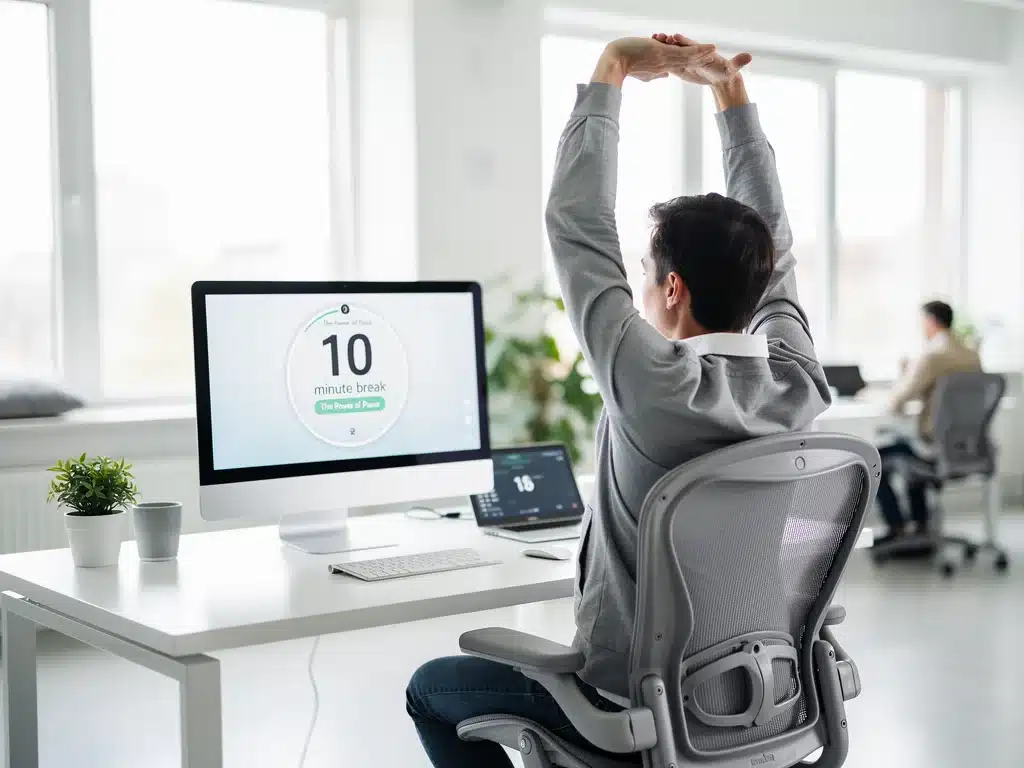
Incorporating 10-minute micro-breaks throughout your workday is a crucial strategy for sustained well-being, combating fatigue, and significantly enhancing productivity and focus in 2026.
In our increasingly demanding professional landscape, the concept of sustained focus often feels like an unattainable ideal. However, the true secret to enduring productivity and profound self-care lies in embracing the power of pause: incorporating 10-minute micro-breaks for sustained well-being throughout your workday in 2026. This isn’t about slacking off; it’s about strategically recharging your mental, physical, and emotional batteries to perform at your peak, not just in short bursts, but consistently over time.
Advertisements
Understanding the science behind micro-breaks
The human brain isn’t designed for endless, uninterrupted concentration. Scientific research consistently shows that our cognitive abilities, attention spans, and decision-making skills diminish significantly without periodic respite. Micro-breaks are short, intentional pauses that allow your brain to reset and recover, preventing burnout and enhancing overall performance.
These brief moments away from your primary task offer a crucial opportunity for your mind to disengage, process information, and return with renewed clarity. Far from being a luxury, integrating micro-breaks is a biological imperative for optimal brain function and sustained mental well-being.
The biology of attention and fatigue
Our prefrontal cortex, responsible for executive functions like planning and focused attention, has limited reserves. Continuous use depletes these resources, leading to mental fatigue, errors, and decreased creativity. Micro-breaks act as short pit stops, allowing these neural resources to replenish. They prevent the cumulative stress that can lead to chronic burnout and impaired cognitive function.
- Restoration of cognitive resources: Short breaks help restore neurotransmitter levels and glucose, vital for brain activity.
- Reduced decision fatigue: Taking a pause can prevent the decline in decision quality that comes from prolonged mental effort.
- Enhanced memory consolidation: Even brief periods of rest can aid in the consolidation of new information learned.
Impact on physical and mental health
Beyond cognitive benefits, micro-breaks offer significant advantages for physical and mental health. Prolonged sitting is linked to numerous health issues, while mental strain can exacerbate stress and anxiety. A quick pause can mitigate these risks, fostering a healthier, more balanced approach to work.
By consciously stepping away, even for a few minutes, you create a boundary between intense work and necessary self-care, a practice that reinforces your commitment to your own well-being. This proactive approach helps prevent minor discomforts from escalating into significant health concerns.
Understanding the fundamental science behind micro-breaks reveals they are not merely suggestions but essential tools for anyone seeking to maintain high levels of productivity and personal well-being in the demanding work environments of today and tomorrow. They are a strategic investment in your most valuable asset: yourself.
Benefits of regular 10-minute pauses
Regularly stepping away from your work for just 10 minutes can yield a surprisingly broad spectrum of benefits, impacting everything from your immediate task performance to your long-term career trajectory and personal health. These short intervals are powerful catalysts for positive change, transforming the way you approach your workday.
The cumulative effect of these small breaks is profound, leading to noticeable improvements in various aspects of your professional and personal life. They are a simple yet highly effective strategy for optimizing your daily routine.
Boosting productivity and focus
One of the most immediate and tangible benefits of micro-breaks is the significant boost in productivity and the ability to maintain focus. When you return to a task after a short break, your mind is often clearer, more agile, and better equipped to tackle challenges. This isn’t just anecdotal; studies consistently show that regular breaks correlate with higher output and fewer errors.
- Improved attention span: Breaks act as a reset button, helping to restore your ability to concentrate.
- Enhanced problem-solving: Stepping away can provide fresh perspectives, making complex problems easier to solve.
- Increased efficiency: A refreshed mind works faster and more accurately, reducing the time spent on tasks.
Reducing stress and preventing burnout
The modern workday often feels like a relentless marathon, making stress and burnout pervasive issues. Micro-breaks serve as vital pressure release valves, offering opportunities to decompress and distance yourself from immediate stressors. This proactive approach to stress management is crucial for long-term career sustainability and mental health.
By consistently integrating these pauses, you build resilience against the daily grind, preventing the gradual accumulation of stress that can eventually lead to complete exhaustion. It’s about creating a sustainable pace rather than a sprint to the finish line.
Fostering creativity and innovation
Creativity rarely flourishes under constant pressure. Often, our best ideas emerge when our minds are relaxed and allowed to wander. Micro-breaks provide this essential mental space, enabling new connections to form and innovative solutions to surface. This is particularly valuable in roles demanding original thought and problem-solving.
The act of disengaging from a task, even briefly, allows your subconscious mind to work in the background, often presenting novel insights upon your return. This creative spark is a powerful asset in any professional setting.
Ultimately, incorporating regular 10-minute pauses is a strategic move that pays dividends across the board. It’s about working smarter, not just harder, and cultivating a work environment that supports both high performance and personal well-being.
Practical strategies for integrating micro-breaks
Knowing the benefits of micro-breaks is one thing; effectively integrating them into a busy workday is another. The key lies in strategic planning and self-awareness, ensuring these pauses become a natural, unobtrusive part of your routine rather than an afterthought. It requires a conscious effort to break old habits and establish new, healthier ones.
The goal is to make these breaks feel as essential as any other scheduled task, ensuring they are consistently taken and genuinely restorative. Small adjustments to your daily rhythm can make a significant difference.
Scheduling your pauses
One of the most effective ways to ensure you take micro-breaks is to schedule them. Treat them with the same importance as meetings or deadlines. Whether you use a digital calendar, a simple timer, or a productivity app, making breaks explicit in your schedule increases the likelihood of them happening. Experiencing a break is often the only way to remind ourselves of its importance.
- Use the Pomodoro technique: Work for 25 minutes, then take a 5-minute break. After four cycles, take a longer 15-30 minute break.
- Set alarms: Simple phone alarms can be incredibly effective reminders to step away.
- Integrate with task transitions: Schedule a micro-break after completing a major task or before starting a particularly challenging one.
Activities for a meaningful 10-minute break
The effectiveness of a micro-break depends heavily on how you spend it. The aim is to disengage from work and engage in something that truly recharges you. Avoid scrolling through work emails or engaging in other mentally demanding tasks. Instead, opt for activities that promote relaxation, movement, or a change of scenery.
The right activity can transform a simple pause into a powerful rejuvenation session, helping you return to your work feeling genuinely refreshed and invigorated, ready to tackle the next challenge with renewed energy.
- Light stretching or walking: Move your body to improve circulation and release tension.
- Mindful breathing or meditation: A few minutes of focused breathing can calm the nervous system.
- Hydrate and snack: Drink water, have a healthy snack, or make a cup of tea.
- Look away from screens: Gaze out a window, focus on distant objects, or simply close your eyes.
- Listen to calming music: A short musical interlude can shift your mood and focus.
Overcoming common obstacles
Despite the clear benefits, many people struggle to incorporate micro-breaks consistently. Common obstacles include feeling too busy, fear of appearing unproductive, or simply forgetting. Addressing these challenges requires a shift in mindset and practical strategies to embed breaks into your routine.
It’s important to recognize that taking a break is not a sign of weakness but a hallmark of intelligent work. By proactively addressing these hurdles, you can make micro-breaks a non-negotiable part of your daily professional life.
Integrating micro-breaks successfully is about intentionality and consistency. By planning your pauses, choosing restorative activities, and proactively addressing potential barriers, you can harness their full potential to enhance your well-being and productivity.
Micro-breaks for different work environments
The beauty of micro-breaks lies in their adaptability. Whether you’re working from a bustling corporate office, a quiet home setup, or a dynamic hybrid model, the principles remain the same: step away, refresh, and return. However, the specific ways you implement these pauses might vary depending on your environment. Understanding these nuances can help you maximize their effectiveness.
Tailoring your micro-break strategy to your unique work setting ensures that you can consistently benefit from these restorative moments, regardless of where your work takes you. Flexibility is key to sustained success.
Office settings: embracing the break room culture
In traditional office environments, micro-breaks can be a great way to foster community and encourage movement. Utilize designated break areas, step outside for fresh air, or even engage in a brief, non-work-related chat with a colleague. The key is to physically remove yourself from your workspace.
Encouraging a culture where breaks are seen as beneficial, rather than a sign of slacking, can transform the entire office dynamic. Leaders play a crucial role in modeling this behavior and creating supportive policies.
- Walk to the water cooler or coffee machine: A simple change of scenery and a chance to hydrate.
- Take a brief walk around the office floor: Stretch your legs and clear your head.
- Utilize shared break spaces: Engage in light conversation or simply enjoy a moment of quiet.
Remote work: creating your own sanctuary
Remote work offers unparalleled flexibility but also blurs the lines between work and personal life. For those working from home, intentionality is even more critical for micro-breaks. Designate a specific non-work area for your breaks, or step outside your home entirely. The goal is to create a mental and physical separation from your workspace.
Without the natural interruptions of an office, remote workers must be more disciplined in scheduling and executing their breaks. This often means actively creating the boundaries that an office environment might naturally provide.
- Step into another room: Go to the kitchen, living room, or even your backyard.
- Engage in a quick household chore: Fold laundry, water plants, or empty the dishwasher.
- Take a short walk around your neighborhood: Enjoy nature and fresh air.
Hybrid models: balancing flexibility and routine
Hybrid work models present a unique challenge, requiring individuals to adapt their break strategies based on their location for the day. Consistency in the *habit* of taking breaks is more important than the *location* of the break. Hybrid workers benefit from having a repertoire of break activities suitable for both home and office.
The ability to fluidly shift between different break strategies ensures that well-being remains a priority, regardless of the physical work setting. This adaptability is a hallmark of effective self-care in a dynamic professional landscape.
Regardless of your work environment, the core principle remains: actively disengage from work to truly recharge. By adapting your micro-break strategies to your specific setting, you can ensure sustained well-being and peak performance.
The long-term impact on career and well-being
While the immediate benefits of micro-breaks are evident, their true power lies in their cumulative, long-term impact. Consistently integrating these short pauses into your workday isn’t just about surviving; it’s about thriving, fostering a sustainable career path, and achieving a higher quality of life both professionally and personally. This strategic approach transforms how you interact with your work and your own health.
The investment of a few minutes here and there accumulates into significant gains in resilience, satisfaction, and overall life balance, leading to a more fulfilling and productive existence.
Sustained performance and career longevity
Burnout is a significant threat to career longevity. By regularly taking micro-breaks, you’re actively preventing the mental and physical exhaustion that can lead to career stagnation or premature exit. A well-rested individual is more likely to maintain high performance, adapt to new challenges, and remain engaged in their work over the long haul. This translates into a more robust and enduring professional journey.
Employees who consistently prioritize their well-being through breaks are often seen as more reliable, innovative, and capable of handling pressure, making them invaluable assets to any organization. This self-care isn’t just for you; it benefits your employer too.
- Reduced risk of burnout: Proactive prevention keeps you in the game longer.
- Consistent high-quality work: Fewer errors and more innovative solutions.
- Enhanced adaptability: A refreshed mind handles change and new demands better.
Improved mental resilience and emotional regulation
The ability to bounce back from setbacks and manage emotions effectively is crucial for both career success and personal well-being. Micro-breaks contribute to this by providing moments of calm and detachment, allowing you to process stress and prevent emotional overload. This practice builds mental fortitude, making you more resilient in the face of professional challenges.
By regularly stepping away, you cultivate a greater sense of control over your emotional state, preventing reactive responses and fostering a more thoughtful, composed approach to daily interactions and pressures.
A holistic approach to well-being
Ultimately, the consistent practice of micro-breaks transcends mere productivity hacks; it becomes an integral part of a holistic approach to well-being. It acknowledges that humans are not machines and that our best work comes from a place of balance and self-care. This perspective extends beyond the workday, positively influencing personal relationships, hobbies, and overall life satisfaction.
Embracing micro-breaks is a declaration that your health and happiness are non-negotiable. This philosophy not only benefits you but also sets a powerful example for colleagues and loved ones, contributing to a broader culture of well-being.
The long-term impact of integrating micro-breaks is transformative, leading to a more sustainable, fulfilling, and healthier career and life. It’s a small investment with monumental returns for your overall well-being.
Measuring the impact of your micro-breaks
While the benefits of micro-breaks are widely accepted, understanding their specific impact on your personal productivity and well-being requires a degree of self-observation and, at times, simple measurement. This isn’t about rigid data collection but rather about tuning into your body and mind to discern what works best for you and how these pauses are truly moving the needle.
By intentionally monitoring the effects of your breaks, you can refine your approach, ensuring they are as effective and restorative as possible, leading to continuous improvement in your daily routine.
Self-assessment and journaling
One of the simplest yet most powerful ways to measure the impact of micro-breaks is through self-assessment and journaling. Before and after a break, take a moment to note your energy levels, focus, and mood. Over time, patterns will emerge, revealing how different types of breaks and timings affect you. This qualitative data is invaluable for personal optimization.
A brief journal entry can highlight which activities are most rejuvenating and which times of day you feel the most significant need for a pause, allowing you to fine-tune your break strategy for maximum benefit.
- Track energy levels: Rate your energy before and after a break on a scale of 1-10.
- Monitor focus: Note how quickly you regain focus after returning to a task.
- Observe mood shifts: Pay attention to any improvements in your emotional state.
Productivity metrics (gentle monitoring)
While the primary goal of micro-breaks isn’t solely about increasing output, it’s natural to observe their effect on your productivity. This doesn’t mean obsessively tracking every minute, but rather noticing trends in your work quality and speed. Are you completing tasks with fewer errors? Are you feeling less overwhelmed by your workload? These are subtle yet significant indicators.
Many digital tools and apps can offer insights into your work patterns without being intrusive. Using these gently can provide objective data to complement your subjective observations, offering a fuller picture of the impact of your breaks.
- Review task completion rates: Notice if you’re consistently meeting deadlines or completing more tasks.
- Assess work quality: Look for a reduction in errors or an improvement in creative output.
- Track perceived workload: Do you feel less burdened or more capable of handling daily tasks?
Feedback from colleagues and supervisors
Sometimes, the impact of your improved well-being and productivity is noticed by others before you fully recognize it yourself. Open communication with colleagues or supervisors can provide valuable external feedback. They might observe an improvement in your demeanor, responsiveness, or the quality of your contributions, offering an external validation of your micro-break strategy.
This external perspective can be a powerful motivator and can help reinforce the benefits of your self-care practices, encouraging you to continue and even expand your micro-break routine.
Measuring the impact of micro-breaks is an ongoing process of self-discovery and refinement. By combining self-assessment, gentle productivity monitoring, and external feedback, you can gain a comprehensive understanding of how these small pauses contribute to your overall success and well-being.
Future of work: micro-breaks as a standard practice
As we advance into 2026 and beyond, the understanding of human performance and well-being in the workplace is evolving. What was once seen as an optional ‘perk’ or a sign of weakness, taking breaks is rapidly becoming recognized as a fundamental component of sustainable productivity and a non-negotiable aspect of a healthy work culture. Micro-breaks are poised to become a standard practice, integrated into the very fabric of how we work.
This shift reflects a growing awareness among organizations and individuals alike that true efficiency and innovation stem not from relentless toil, but from strategic rest and thoughtful self-care, creating a more humane and productive future.
Organizational adoption and policy changes
Forward-thinking companies are already implementing policies that not only encourage but actively facilitate micro-breaks. This includes designing office spaces with dedicated relaxation zones, integrating break reminders into digital platforms, and fostering a culture where taking a pause is normalized and celebrated. The return on investment for such policies is clear: healthier, happier, and more productive employees.
From tech giants to small startups, the recognition that employee well-being directly impacts the bottom line is driving this widespread adoption, making micro-breaks an expected part of the corporate landscape rather than an exception.
- Dedicated break zones: Creating inviting spaces for employees to step away.
- Technology integration: Apps and software prompting users to take short breaks.
- Leadership endorsement: Managers modeling and encouraging break-taking behavior.
Personal responsibility in a changing landscape
While organizations are increasingly supportive, the ultimate responsibility for integrating micro-breaks still rests with the individual. In 2026, personal accountability for one’s well-being will be paramount. This means actively scheduling breaks, choosing restorative activities, and advocating for a work-life balance that prioritizes mental and physical health. It’s about self-leadership in the realm of self-care.
As work structures become more flexible, the onus on individuals to manage their own energy and focus grows. This personal responsibility ensures that the benefits of micro-breaks are fully realized, regardless of external policies.
The competitive edge of well-being
In a competitive global economy, companies that prioritize employee well-being, including the integration of micro-breaks, will gain a significant competitive edge. Healthier employees are more engaged, innovative, and loyal, leading to lower turnover rates and higher overall performance. This focus on human capital is becoming a key differentiator in attracting and retaining top talent.
The organizations that recognize and act upon the profound connection between employee well-being and business success will be the ones that thrive, making micro-breaks not just a trend, but a cornerstone of future work strategies.
The future of work is one where micro-breaks are not just recommended but are an essential, ingrained practice. Both organizations and individuals will embrace them as a strategic tool for sustained well-being, productivity, and long-term success in an ever-evolving professional world.
| Key Aspect | Brief Description |
|---|---|
| Cognitive Recharge | Micro-breaks replenish mental resources, improving focus and decision-making. |
| Stress Reduction | Regular pauses mitigate stress and prevent burnout, fostering mental resilience. |
| Enhanced Creativity | Disengaging briefly allows for fresh perspectives and innovative thought. |
| Work-Life Balance | Fosters a holistic approach to well-being, benefiting both work and personal life. |
Frequently asked questions about micro-breaks
While individual needs vary, a 10-minute micro-break is often cited as ideal. This duration is long enough to provide a genuine mental reset without significantly interrupting your workflow, allowing for effective disengagement and rejuvenation.
Aim for a micro-break every 60-90 minutes of focused work. This frequency aligns with natural human attention cycles and helps prevent cognitive fatigue before it fully sets in, maintaining consistent productivity levels throughout the day.
Absolutely not. While often discussed in the context of office work, micro-breaks are beneficial for any profession. Even in physically demanding jobs, a short mental disengagement or a change of focus can significantly improve safety, alertness, and overall well-being.
Effective micro-break activities include light stretching, a short walk, mindful breathing, hydrating, or simply gazing out a window. The key is to disengage from work-related tasks and engage in something that truly recharges your mind and body.
On the contrary, effective micro-breaks often lead to increased productivity and higher quality work. Forward-thinking employers recognize that well-rested employees are more efficient and less prone to burnout, viewing breaks as an investment in performance.
Conclusion
The journey towards sustained well-being and optimal performance in the contemporary professional landscape hinges on a profound understanding and implementation of simple yet powerful strategies. Embracing the power of pause, specifically through the consistent integration of 10-minute micro-breaks, is not merely a trend for 2026 but a fundamental shift in how we approach work. By consciously stepping away, we empower ourselves to return with renewed vigor, enhanced focus, and a greater capacity for creativity and resilience. This deliberate practice transforms not only our daily output but also our long-term health, career trajectory, and overall quality of life, proving that sometimes, the most productive thing you can do is take a moment to simply pause.