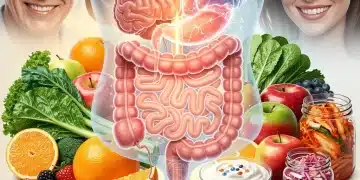
Gut Health: Probiotics for Improved Digestion and Immunity

Advertisements
Gut health is crucial for overall well-being, impacting digestion, immunity, and even mental health, and probiotics can play a significant role in improving it.
Did you know that the key to better digestion and a stronger immune system might reside in your gut? The Importance of Gut Health: How Probiotics Can Improve Digestion and Immunity is a topic that’s gaining increasing attention, and for good reason. Your gut, or the gastrointestinal tract, is home to trillions of bacteria, both good and bad, and maintaining a healthy balance is essential for overall well-being.
Advertisements
Understanding the Gut Microbiome
The gut microbiome, also known as the gut flora, is a complex community of microorganisms that live in your digestive tract. It plays a vital role in digesting food, absorbing nutrients, and producing essential vitamins and minerals.
What is the Gut Microbiome?
The gut microbiome consists of bacteria, fungi, viruses, and other microbes. These microorganisms help break down complex carbohydrates, synthesize vitamins like vitamin K and some B vitamins, and protect against harmful pathogens. The composition of your gut microbiome is influenced by various factors, including diet, lifestyle, and genetics.
The Role of the Gut Microbiome in Health
A healthy gut microbiome is crucial for various bodily functions. It supports a strong immune system, reduces inflammation, and can even influence mental health. An imbalance in the gut microbiome, known as dysbiosis, can lead to digestive issues, weakened immunity, and increased risk of chronic diseases.

- Digestion: Aids in breaking down complex carbohydrates and fibers.
- Immunity: Supports the immune system by training immune cells and preventing the overgrowth of harmful bacteria.
- Mental Health: Influences brain function through the gut-brain axis, affecting mood and behavior.
Maintaining a healthy gut microbiome is essential for overall well-being. Consuming a diverse diet rich in fiber, fermented foods, and probiotics can help support a balanced gut flora. Avoiding processed foods, excessive sugar, and unnecessary antibiotics can also contribute to a healthier gut environment. A thriving gut microbiome translates to better digestion, a stronger immune system, and improved mental clarity.
The Link Between Gut Health and Immunity
The gut is a major player in the immune system. Around 70-80% of the body’s immune cells reside in the gut, making it a primary line of defense against harmful pathogens.
How the Gut Supports Immunity
The gut microbiome interacts with the immune system in several ways. It helps train immune cells to distinguish between harmless and harmful substances, preventing the body from attacking itself. Gut bacteria also produce short-chain fatty acids (SCFAs), such as butyrate, which have anti-inflammatory properties and support gut barrier function.
The Impact of Gut Dysbiosis on Immunity
An imbalanced gut microbiome can weaken the immune system, making you more susceptible to infections and chronic diseases. Dysbiosis can lead to increased inflammation, impaired gut barrier function (leaky gut), and reduced production of beneficial SCFAs. This can result in a compromised immune response and a higher risk of autoimmune conditions.
Maintaining a healthy gut is vital for a robust immune system. A balanced gut microbiome ensures that immune cells are properly trained, inflammation is kept in check, and the gut barrier remains intact. When the gut is healthy, it can effectively defend against pathogens and contribute to overall wellness.
Probiotics: What Are They and How Do They Help?
Probiotics are live microorganisms that, when administered in adequate amounts, confer a health benefit on the host. They are often referred to as “good” bacteria because they can help restore balance to the gut microbiome.
- Definition: Live microorganisms that provide health benefits when consumed.
- Sources: Found in fermented foods like yogurt, kefir, sauerkraut, and kimchi, as well as dietary supplements.
- Mechanism: Work by colonizing the gut, competing with harmful bacteria, and producing beneficial substances.
Benefits of Probiotics
Probiotics offer a wide range of health benefits, particularly for digestion and immunity. They can help alleviate symptoms of digestive disorders like irritable bowel syndrome (IBS) and inflammatory bowel disease (IBD). Probiotics can also boost the immune system by increasing the production of antibodies and enhancing immune cell activity. These benefits are achieved by reintroducing beneficial bacteria into the gut, helping to restore balance and improve overall gut health.
Choosing the right probiotic is essential for maximizing its benefits. Different strains of probiotics have different effects, so it’s important to select one that targets your specific concerns. Look for products with clearly labeled strains and a high colony-forming unit (CFU) count. Consulting with a healthcare professional can help you determine the best probiotic for your individual needs.
Choosing the Right Probiotic Supplement
With so many probiotic supplements on the market, selecting the right one can be overwhelming. It’s important to consider factors such as strain, CFU count, and specific health needs.
Understanding Different Probiotic Strains
Different strains of probiotics have different effects on the body. For example, *Lactobacillus* strains are often used to improve digestion and boost immunity, while *Bifidobacterium* strains are known for their ability to reduce inflammation. Some common and well-researched strains include *Lactobacillus acidophilus*, *Bifidobacterium bifidum*, and *Saccharomyces boulardii*.
Importance of CFU Count
CFU stands for colony-forming units, which is a measure of the number of live and active microorganisms in a probiotic supplement. A higher CFU count generally means a more potent product. However, it’s not always about the highest number; the effectiveness of a probiotic also depends on the specific strains and their ability to survive in the gut.

- Strain Specificity: Choose a probiotic with strains that address your specific health concerns.
- CFU Count: Look for a product with a CFU count that is appropriate for your needs (typically between 1 billion and 10 billion CFU).
- Third-Party Testing: Opt for supplements that have been tested by a third-party to ensure quality and purity.
When selecting a probiotic supplement, it’s essential to do your research and choose a product that is right for you. Consider your specific health goals, the strains and CFU counts, and the quality of the product. Consulting with a healthcare professional can provide personalized guidance and help you make an informed decision. Remember, not all probiotics are created equal, so taking the time to find the right one can make a significant difference in your gut health.
Foods That Naturally Boost Gut Health
In addition to probiotic supplements, certain foods can naturally promote a healthy gut environment. These foods are rich in probiotics, prebiotics, and fiber, which can help nourish and support the gut microbiome.
Fermented Foods
Fermented foods are a great source of natural probiotics. These foods undergo a process of fermentation, where beneficial bacteria break down sugars and starches, creating a probiotic-rich environment. Some popular fermented foods include yogurt, kefir, sauerkraut, kimchi, kombucha, and miso.
Prebiotic-Rich Foods
Prebiotics are non-digestible fibers that serve as food for the beneficial bacteria in your gut. They help nourish and promote the growth of these bacteria, further supporting a healthy gut microbiome. Good sources of prebiotics include garlic, onions, leeks, asparagus, bananas, and oats.
Incorporating these foods into your diet can provide a natural and sustainable way to support gut health. Fermented foods introduce beneficial bacteria directly into the gut, while prebiotic-rich foods provide the fuel these bacteria need to thrive. By including a variety of these foods in your meals, you can create a diverse and balanced gut microbiome that supports overall health and well-being.
Lifestyle Factors Affecting Gut Health
Beyond diet and supplementation, various lifestyle factors can significantly impact the health of your gut. Managing stress, getting enough sleep, and avoiding unnecessary antibiotics are all crucial for maintaining a balanced gut microbiome.
Stress Management
Chronic stress can have a negative impact on gut health. Stress hormones can disrupt the balance of gut bacteria, leading to inflammation and digestive issues. Practicing stress-reducing techniques like meditation, yoga, or deep breathing exercises can help mitigate these effects.
Sleep Hygiene
Poor sleep can also disrupt the gut microbiome. Aim for 7-8 hours of quality sleep each night to support a healthy gut. Establish a consistent sleep schedule, create a relaxing bedtime routine, and avoid screen time before bed to improve sleep quality.
Antibiotic Use
Antibiotics can kill both harmful and beneficial bacteria in the gut, leading to dysbiosis. Use antibiotics only when necessary and under the guidance of a healthcare professional. After taking antibiotics, consider replenishing your gut with probiotics to help restore balance.
Adopting a holistic approach to gut health involves addressing lifestyle factors in addition to diet and supplementation. By managing stress, prioritizing sleep, and being mindful of antibiotic use, you can create a gut-friendly environment that promotes overall health and well-being. These practices, combined with a balanced diet and probiotic supplementation, can help you achieve and maintain a healthy and thriving gut microbiome.
| Key Point | Brief Description |
|---|---|
| 🌱 Gut Microbiome | Complex community of microbes in the digestive tract, crucial for digestion and immunity. |
| 💪 Probiotics | Live microorganisms that provide health benefits by restoring balance to the gut. |
| 🍎 Fermented Foods | Natural sources of probiotics, like yogurt, kefir, sauerkraut, and kimchi. |
| 🥦 Prebiotics | Non-digestible fibers that feed beneficial gut bacteria. |
Frequently Asked Questions
▼
Probiotics primarily aid in improving digestion, boosting the immune system, and restoring balance to the gut microbiome. They can also help alleviate symptoms of digestive disorders like IBS.
▼
Consider the specific strains, CFU count, and ensure the product has undergone third-party testing for quality. It’s best to choose a probiotic that targets your specific health needs.
▼
While fermented foods are a great source of probiotics, the amount can vary. Supplements can provide a more consistent and targeted dose, but a diet rich in fermented foods is still beneficial.
▼
Some people may experience mild digestive symptoms like gas or bloating when starting probiotics. These symptoms usually subside as the gut adjusts. Consult a healthcare provider if problems persist.
▼
Chronic stress can disrupt the balance of gut bacteria, leading to inflammation and digestive issues. Practicing stress-reducing techniques can help mitigate these effects and improve gut health.
Conclusion
Prioritizing gut health is an investment in your overall well-being. By understanding the importance of the gut microbiome, incorporating probiotics and prebiotic-rich foods into your diet, and managing lifestyle factors, you can create a thriving gut environment that supports digestion, immunity, and mental health. Take proactive steps to nurture your gut, and you’ll be on your way to a healthier and happier life.