Combatting Loneliness: Fostering Community by 2026
Advertisements
By 2026, successfully combatting loneliness requires proactive engagement in fostering community connections through intentional social interaction, skill development, and leveraging both local and digital platforms for belonging and mutual support.
In an increasingly interconnected yet often isolating world, the imperative to address loneliness has never been more critical. The challenge of combatting loneliness: practical steps for fostering community connections by 2026 is a significant one, impacting emotional wellness and overall quality of life. This article delves into actionable strategies designed to help individuals build and sustain meaningful social ties, transforming isolated existences into vibrant, connected lives.
Advertisements
Understanding the modern landscape of loneliness
Loneliness is more than just being alone; it’s the distressing feeling of being isolated or lacking companionship. In the United States, this feeling has become a public health concern, exacerbated by factors ranging from increased digital interaction to shifts in work culture and geographic mobility. Understanding its multifaceted nature is the first step toward effective mitigation.
The modern world, with its rapid technological advancements and emphasis on individual achievement, inadvertently creates environments where genuine human connection can be overlooked. While social media offers a semblance of connection, it often lacks the depth and reciprocity essential for true belonging. This paradox of being ‘connected yet alone’ highlights the unique challenges we face in the current era.
The impact of digital dependence
While digital platforms can facilitate initial contact, over-reliance on them can hinder the development of authentic, in-person relationships. The curated nature of online profiles often leads to comparisons and feelings of inadequacy, further fueling isolation rather than alleviating it. Moving forward, a balanced approach is crucial.
- Recognize digital interactions as a starting point, not a substitute.
- Prioritize face-to-face meetings over endless online scrolling.
- Be mindful of the time spent online versus engaging in real-world activities.
Addressing loneliness by 2026 requires a conscious effort to understand these contemporary dynamics. It means acknowledging that while technology offers tools, the fundamental human need for connection remains rooted in shared experiences and empathetic engagement. Our approach must therefore be holistic, integrating both traditional and innovative methods for fostering community connections.
In conclusion, the modern landscape of loneliness is complex, shaped by societal changes and technological shifts. Recognizing these underlying factors is key to developing targeted, effective strategies for building stronger communities and ensuring that individuals feel seen, heard, and valued.
Cultivating personal readiness for connection
Before actively seeking external connections, it’s vital to cultivate personal readiness. This involves self-reflection, understanding one’s own needs, and developing the interpersonal skills necessary for meaningful engagement. Emotional wellness plays a pivotal role here, as a positive self-perception often paves the way for healthier relationships.
Often, loneliness can stem from internal barriers such as fear of rejection, low self-esteem, or a lack of confidence in social settings. Addressing these internal hurdles is foundational to building sustainable community connections. It’s about empowering oneself to step out of comfort zones and embrace vulnerability, which is essential for genuine human bonds.
Developing social skills and confidence
Social skills are not innate for everyone; they can be learned and refined. Simple practices like active listening, maintaining eye contact, and initiating conversations can significantly enhance one’s ability to connect. Confidence grows with practice, and each successful interaction reinforces the belief in one’s capacity to form relationships.
- Practice active listening to show genuine interest in others.
- Start small: greet neighbors, make eye contact, offer a smile.
- Engage in hobbies or activities that naturally involve social interaction.
Moreover, understanding one’s personal values and interests helps in identifying compatible individuals and groups, making the process of fostering community connections more organic and rewarding. Authenticity attracts authenticity, and being true to oneself is a powerful magnet for like-minded people. This personal cultivation is an ongoing journey, not a one-time fix.
Ultimately, preparing oneself for connection involves a blend of self-awareness, skill development, and a willingness to engage. By investing in personal readiness, individuals lay a strong foundation for building a robust network of community ties, making the journey of combatting loneliness much more effective.
Leveraging local opportunities for engagement
The most tangible steps toward fostering community connections often lie within our immediate surroundings. Local communities offer a wealth of untapped opportunities for engagement, from neighborhood associations to volunteer groups and recreational activities. Actively participating in these local initiatives can transform abstract desires for connection into concrete social bonds.
Think of your local library, community center, or park. These are often hubs of activity, hosting events, classes, and gatherings that cater to diverse interests. Simply showing up and participating can open doors to new friendships and a sense of belonging. The key is to be proactive and consistent in your efforts.
Finding your niche: local groups and clubs
Whether you’re passionate about reading, hiking, gardening, or a specific cause, there’s likely a local group or club dedicated to it. These shared interest groups provide a natural environment for forming connections, as members already have a common ground to build upon. They offer a structured way to meet new people without the pressure of initiating conversations from scratch.
- Explore local community centers for classes or workshops (e.g., art, cooking, fitness).
- Join volunteer organizations that align with your values.
- Attend local events, fairs, or festivals to meet new people informally.
Furthermore, supporting local businesses and frequenting neighborhood spots can also lead to casual, yet meaningful, interactions. A regular visit to a coffee shop or bookstore can evolve into friendly exchanges with staff and other patrons, gradually building a sense of familiarity and connection within your immediate environment. These small, consistent actions contribute significantly to combatting loneliness.
In essence, leveraging local opportunities is about integrating oneself into the fabric of the community. It’s about recognizing that meaningful connections often sprout from shared spaces and common activities, making our neighborhoods vibrant sources of social support and belonging.
Harnessing technology for meaningful connections
While digital dependence can sometimes contribute to loneliness, technology can also be a powerful tool for fostering community connections when used intentionally. The goal is to bridge the gap between online interaction and real-world engagement, using digital platforms to facilitate and strengthen bonds, rather than replace them.
Social media groups, online forums, and specialized apps can connect individuals with shared interests, especially for those in niche communities or with limited local options. These platforms can serve as excellent starting points for identifying potential friends or collaborators, leading to offline meetups and deeper relationships.
Utilizing online platforms effectively
The key to using technology for meaningful connections lies in purpose-driven engagement. Instead of passively consuming content, actively seek out groups or individuals with whom you can share ideas, offer support, or plan activities. This proactive approach transforms digital spaces into tools for building genuine community.
- Join online groups related to your hobbies or professional interests.
- Use meetup apps to find local events and activities.
- Maintain regular, thoughtful communication with online friends, aiming for eventual in-person meetings.
Moreover, video calls and online gaming can help maintain connections with friends and family who live far away, ensuring that geographical distance doesn’t lead to emotional distance. These tools are particularly valuable for older adults or individuals with mobility challenges, offering a lifeline to social interaction that might otherwise be unavailable. The strategic use of technology can significantly aid in combatting loneliness by 2026.
Ultimately, technology, when wielded with intention, can be an invaluable asset in the quest for connection. It allows us to extend our social reach, maintain existing relationships, and discover new communities, all contributing to a richer, more connected life.
Building and nurturing diverse social networks
A resilient social network is not just about having many friends; it’s about having a diverse range of connections that offer different forms of support and interaction. Building and nurturing such a network involves intentionally seeking out relationships across various contexts – family, friends, colleagues, and community members – and investing time and effort into their maintenance.
Think of your social network as an ecosystem. Each relationship, whether casual or deep, plays a role in your overall sense of belonging and well-being. Actively diversifying these connections ensures that you have multiple avenues for support and companionship, reducing reliance on any single source and strengthening your resilience against loneliness.
Strategies for network expansion
Expanding your social network requires stepping outside your usual circles. This could mean attending professional networking events, joining a book club, or even striking up conversations with acquaintances. The goal is to broaden your horizons and expose yourself to different perspectives and experiences.
- Cultivate relationships with colleagues beyond work tasks.
- Connect with neighbors through block parties or shared projects.
- Seek out intergenerational connections, learning from different life stages.
Nurturing these diverse connections involves consistent effort: reaching out, offering support, and being present. Small gestures, like a thoughtful message or a shared meal, can go a long way in strengthening bonds. It’s about reciprocity and demonstrating genuine care for those in your network. This continuous investment is crucial for combatting loneliness effectively.
In conclusion, a diverse and well-nurtured social network acts as a powerful buffer against loneliness. By consciously building and maintaining a variety of relationships, individuals create a rich tapestry of support and companionship that enhances their emotional wellness and overall life satisfaction.
Promoting community initiatives and support systems
Beyond individual efforts, fostering community connections requires broader societal support and the promotion of initiatives that create inclusive environments. Governments, non-profits, and local organizations all have a role to play in developing programs and spaces that encourage interaction and mutual aid. This collective approach strengthens the entire social fabric, benefiting everyone.
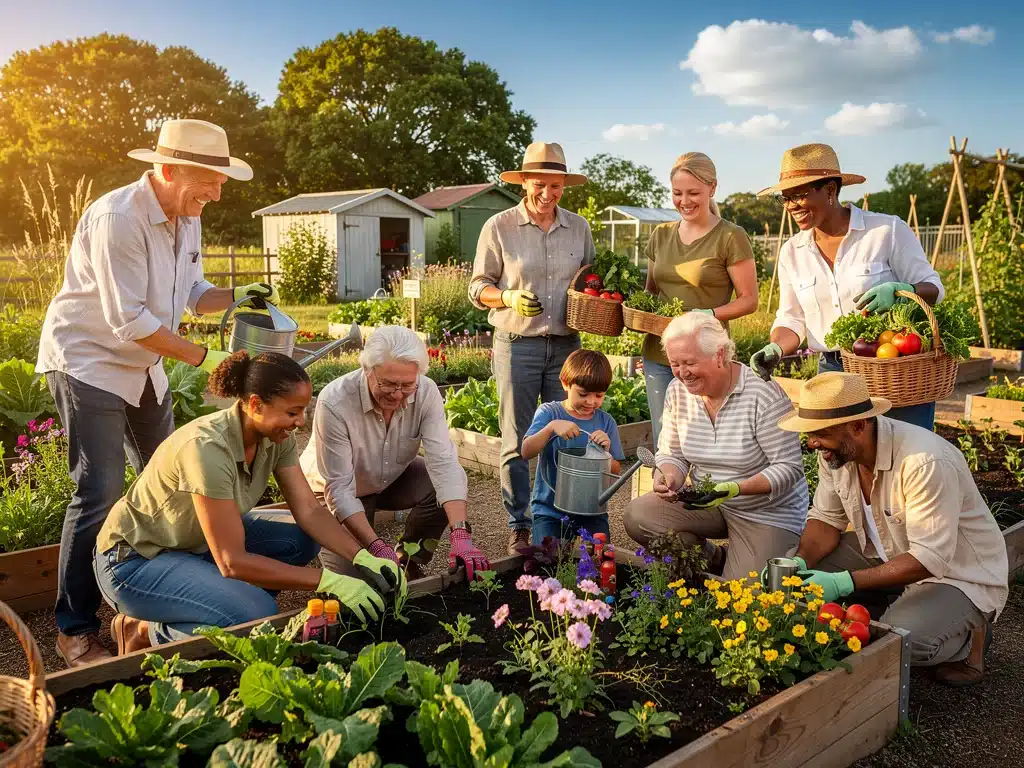
Consider the impact of community gardens, designated public spaces for social gatherings, or mentorship programs. These initiatives provide structured opportunities for individuals to connect, develop shared purpose, and build a sense of collective identity. Such programs are essential components in a comprehensive strategy for combatting loneliness by 2026.
The role of institutions and policy
Public policy can significantly influence community cohesion. Investments in public spaces, funding for local programs, and policies that support work-life balance can all contribute to creating environments where people have more time and opportunities to connect. Institutions, from schools to workplaces, also have a responsibility to foster a sense of belonging among their members.
- Advocate for local government funding for community programs and events.
- Support non-profits dedicated to social inclusion and mental health.
- Encourage workplaces to implement initiatives that promote employee connection.
Furthermore, raising awareness about the importance of social connection and destigmatizing loneliness are crucial. Educational campaigns can help individuals recognize the signs of loneliness in themselves and others, encouraging them to seek help or offer support. A culture that values and actively promotes connection is a powerful antidote to isolation.
Ultimately, promoting community initiatives and strong support systems creates a fertile ground for connections to flourish. It acknowledges that combatting loneliness is a shared responsibility, requiring coordinated efforts from individuals, communities, and institutions to build a more connected and compassionate society.
| Key Strategy | Brief Description |
|---|---|
| Personal Readiness | Develop self-awareness and social skills to confidently engage with others. |
| Local Engagement | Actively participate in community groups, events, and local initiatives. |
| Intentional Tech Use | Leverage digital platforms to facilitate real-world connections, not replace them. |
| Diverse Networks | Cultivate a variety of relationships across different social contexts for robust support. |
Frequently asked questions about fostering community connections
Fostering community connections offers numerous benefits, including improved mental health, increased emotional resilience, a stronger sense of belonging, and access to support networks. These connections combat loneliness, reduce stress, and enhance overall life satisfaction and well-being.
Introverts can start by engaging in activities that align with their interests, which provides a natural conversation starter. Begin with low-pressure environments like online forums or small group activities. Focus on one-on-one interactions rather than large gatherings, allowing for deeper, more meaningful connections.
While online interactions can provide a sense of connection, they often lack the depth of in-person relationships. For true combatting loneliness and emotional wellness, a balance of online and offline engagement is crucial. Online platforms are best used to facilitate real-world meetups and strengthen existing bonds.
Local community centers are vital hubs for fostering connections. They offer diverse classes, workshops, and events that cater to various age groups and interests, providing structured opportunities for people to meet, interact, and build relationships within their immediate neighborhoods, thereby enriching local social fabric.
Maintaining connections requires consistent effort. Regularly reach out, offer support, and be present in others’ lives. Plan recurring activities, remember important dates, and show genuine interest in their well-being. Reciprocity and thoughtfulness are key to nurturing lasting and meaningful relationships over time.
Conclusion
Combatting loneliness: practical steps for fostering community connections by 2026 is not merely a personal endeavor but a collective responsibility. By understanding the modern nuances of isolation, cultivating personal readiness, leveraging local resources, using technology mindfully, and nurturing diverse social networks, individuals can significantly enhance their emotional wellness. Coupled with supportive community initiatives, these steps lay the groundwork for a more connected, empathetic, and resilient society, ensuring that by 2026, fewer individuals feel the sting of isolation and more experience the warmth of true belonging.